






More Allergy, Asthma & Infectious Disease Articles
Recognizing Legionella Pneumonia Symptoms for Early Detection
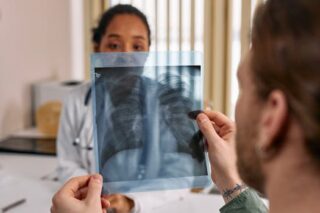
Legionella pneumonia, also known as Legionnaires’ disease, is a serious form of pneumonia that is caused by bacteria called Legionella. Recognizing Legionella pneumonia symptoms at the onset is crucial for early detection and effective treatment. This condition primarily affects the lungs but can have symptoms shared with other types of pneumonia, which makes it challenging to diagnose without proper medical guidance.
What Are the Legionella Pneumonia Symptoms?
The symptoms of Legionella pneumonia often begin as mild respiratory issues but can quickly escalate into more severe conditions. Understanding the symptoms can help in seeking timely medical intervention and preventing complications.
Early Symptoms
Initially, symptoms resemble those of the flu, including:
- Headaches
- Muscle aches
- Fever, which can be 104°F (40°C) or higher
Progressing Symptoms
As the disease progresses, individuals may experience:
- Cough, which may bring up mucus or blood
- Shortness of breath
- Chest pain
- Gastrointestinal symptoms such as nausea, vomiting, or diarrhea
- Confusion or other mental changes, particularly in older adults
These symptoms usually appear within two to ten days after exposure to the bacteria. It is essential to consult a healthcare provider if you experience these symptoms, especially if you have been exposed to possible sources of the Legionella bacteria, such as water systems in buildings, cooling towers, or hot tubs.
How Is Legionella Pneumonia Diagnosed?
Medical professionals typically diagnose Legionella pneumonia through a combination of clinical evaluation and diagnostic tests. Tests may include chest X-rays to check for lung inflammation, as well as laboratory tests such as sputum tests or blood cultures to identify the Legionella bacteria.
Urinary antigen tests can also detect Legionella antigens in urine, providing a rapid and non-invasive diagnostic tool. Given the severity of the disease, accurate and quick diagnosis is crucial for effective management and treatment.
At-Risk Groups
Certain groups are at a higher risk of developing Legionella pneumonia. These include:
- People aged 50 or older
- Current or former smokers
- Individuals with chronic lung diseases such as COPD
- Those with weakened immune systems due to conditions like diabetes, kidney failure, or cancer
Recognizing these risk factors can help focus preventive measures in susceptible populations.
Treatment Options
Once diagnosed, the main treatment for Legionella pneumonia involves antibiotics. The specific medication and duration of treatment depend on the patient’s overall health and the severity of the disease.
Typically, doctors prescribe antibiotics such as azithromycin or clarithromycin, which are effective against the Legionella bacteria. Hospitalization may be necessary for more severe cases, where additional supportive therapy like oxygen or intravenous fluids might be required.
Preventing Legionella Pneumonia
Preventive measures focus on controlling the growth of Legionella bacteria in water systems. This includes regular maintenance of plumbing systems and ensuring proper water temperatures in buildings, particularly in healthcare facilities and large residential complexes.
It’s also important for individuals to avoid smoking, maintain good respiratory hygiene, and stay informed about outbreaks, especially when traveling.
To gain more insights into recognizing disease symptoms, you might find our article on recognizing the signs of hemochromatosis helpful.
Conclusion
Recognizing Legionella pneumonia symptoms early can significantly impact the outcome and recovery process. Considering the severity of Legionnaires’ disease, understanding who is at risk and seeking prompt medical attention if symptoms arise are crucial steps in managing the condition effectively.
- Legionella pneumonia is a serious lung infection caused by bacteria.
- Symptoms can mimic other forms of pneumonia, making diagnosis tricky.
- Early symptoms include headaches, muscle aches, and fever.
- Treatment typically involves antibiotics and may require hospitalization.
- Prevention focuses on maintaining clean water systems and reducing exposure risks.
FAQs
What causes Legionella pneumonia?
Legionella pneumonia is caused by Legionella bacteria, commonly found in freshwater environments. The bacteria become a health concern when they grow and spread in man-made water systems.
How does someone get Legionella pneumonia?
People can get Legionella pneumonia by inhaling mist or vapor containing the bacteria. This often occurs in environments with poorly maintained water systems, such as cooling towers, hot tubs, or large plumbing systems.
Is Legionella pneumonia contagious?
Legionella pneumonia is not typically spread from person to person. Most infections occur due to environmental exposure to contaminated water sources.
Can Legionella pneumonia be prevented?
Yes, proper maintenance and disinfection of water systems can help prevent outbreaks. Individuals should also avoid smoking and stay vigilant about personal hygiene to reduce their risk.
Where can I find more information?
For comprehensive details on Legionella pneumonia and prevention strategies, you can visit the Wikipedia article on Legionellosis.
Other Articles You May Find of Interest...
- The Role of Metamyelocytes in Your Blood Health
- Understanding Varicella IgG: What It Means for Your Health
- The Essential Role of the Bell of a Stethoscope in Patient Diagnosis
- Strep Throat Duration: How Long Can You Expect It to Last Without Antibiotics?
- What Is Purpura Fulminans and How Can It Impact Your Health?
- Navigating ICD 10 Allergic Rhinitis: Understanding the Codes and Impacts
- Can Benadryl Affect Your Blood Pressure?




