






More Allergy, Asthma & Infectious Disease Articles
Is Your Skin Showing Signs of Bartonella Rash?
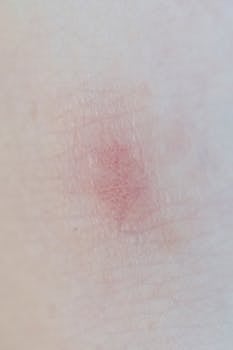
Our skin is often one of the first places to reveal internal issues with our health. The bartonella rash, which can appear as streaks or other atypical lesions, is one such indicator. Bartonella is a bacterial infection that poses several health challenges and is often transmitted through insect bites, such as those from fleas or ticks. This article will explore what a bartonella rash looks like, potential symptoms, and when it is vital to seek medical advice. Understanding these symptoms can help bridge the gap between uncertain symptoms and a clear diagnosis.
What Is a Bartonella Rash?
A bartonella rash is commonly identified by unusual skin markings, which may include linear, red streaks reminiscent of a “stretch mark” appearance. Unlike common rashes, bartonella-associated skin changes may accompany additional symptoms such as fatigue, fever, and malaise, indicating a need for medical consultation. Bartonella is a genus of bacteria linked to several diseases, such as cat scratch disease. Proper detection and management are pivotal for maintaining overall health, as untreated infections can lead to more severe complications.
Recognizing the Signs and Symptoms
Recognizing the full breadth of bartonella symptoms is critical in early diagnosis. Beyond skin manifestations, patients might experience symptoms like swollen lymph nodes, fever, and headaches. These symptoms can mimic other conditions, making professional evaluation essential. Accurate history and clinical examination by a healthcare provider are advised to discern bartonella from other diseases.
Transmission and Risk Factors
Bartonella is primarily transmitted through insect vectors, most commonly fleas and ticks. Around animals, especially cats, increases one’s risk due to the potential for cat scratch disease, a common bartonella infection. Awareness of these vectors and understanding other risk factors, such as exposure to infected animals or areas with a high tick population, can help mitigate potential exposure.
Diagnosing Bartonella Rash
Accurately diagnosing a bartonella rash involves a combination of clinical findings and laboratory tests. A healthcare provider may request blood tests to identify bacteria or assess indirect signs of infection. In some cases, a skin biopsy might be recommended to analyze the rash in more detail. It is crucial to discuss possible symptoms and exposure history thoroughly with a medical professional to aid the diagnostic process.
Treatment Options
Once diagnosed, a healthcare provider may prescribe antibiotics to treat the infection. However, treatment plans vary based on individual health conditions and the bartonella species involved. Patients are encouraged to engage actively with their healthcare team to tailor a treatment plan that suits their needs. Proper management of bartonella often involves monitoring symptoms and potential side effects from medications.
Prevention and Miscellaneous Facts
Prevention of bartonella infections largely aligns with strategies to avoid tick and flea bites. This includes using insect repellents, keeping pets free of fleas, and avoiding areas with high tick populations. For those who enjoy the outdoors or work with animals, regular checks for ticks and maintaining good personal hygiene can serve as effective preventive measures.
For more tips on maintaining a balanced approach to health and wellness, you might be interested in our article on unlocking weight loss success. This resource provides insights into integrative approaches to health, emphasizing nutrition and exercise.
When to Consult a Professional
If you notice unusual skin changes or suspect a bartonella rash, seek medical guidance promptly. Early intervention can prevent complications, and a professional can guide you on the best steps for treatment. Since symptoms can vary vastly between individuals, a tailored approach ensures effective management of the condition.
For more detailed information about healthcare and related topics, visit the Health page on Wikipedia.
- A bartonella rash may appear as streaks or unusual skin lesions.
- It is often accompanied by systemic symptoms like fever and fatigue.
- Proper diagnosis involves history-taking and possible laboratory tests.
- Prevention includes avoiding insect bites and ensuring pet health.
- Medical consultation is advised at the first sign of symptoms.
FAQ
What does a bartonella rash typically look like?
Bartonella rash often presents as linear red streaks on the skin, which might be mistaken for stretch marks but differ in their pathological origin.
How is bartonella transmitted?
Bartonella is primarily transmitted through insect vectors like fleas and ticks. Close contact with infected animals, especially cats, can also lead to transmission.
Are there preventive measures for bartonella rash?
Preventive measures include avoiding tick and flea bites, using insect repellents, and maintaining good pet healthcare. Vigilance during outdoor activities is also advisable.
What are common symptoms associated with bartonella infection?
Common symptoms include fever, swollen lymph nodes, fatigue, headaches, and the distinct skin rash. However, symptoms can vary widely.
When should I see a doctor about a bartonella rash?
Consult a doctor promptly if you notice a rash or any associated symptoms, especially after potential exposure to vectors like ticks or contact with animals.
Other Articles You May Find of Interest...
- The Role of Metamyelocytes in Your Blood Health
- Understanding Varicella IgG: What It Means for Your Health
- The Essential Role of the Bell of a Stethoscope in Patient Diagnosis
- Strep Throat Duration: How Long Can You Expect It to Last Without Antibiotics?
- What Is Purpura Fulminans and How Can It Impact Your Health?
- Navigating ICD 10 Allergic Rhinitis: Understanding the Codes and Impacts
- Can Benadryl Affect Your Blood Pressure?



