






More Allergy, Asthma & Infectious Disease Articles
Is Your Skin Reacting to Grass? Discover the Causes and Remedies for Grass Rash
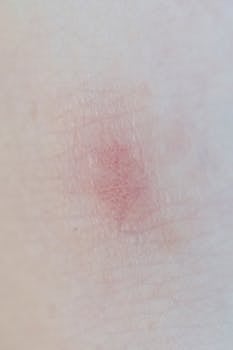
Grass rash can be a troublesome condition, especially for those who enjoy spending time outdoors. Whether playing sports, gardening, or simply taking a stroll through the park, encountering grass can lead to an irritating skin reaction. Known as grass rash, this condition typically presents as red, itchy, and sometimes swollen patches on the skin. Understanding the causes and exploring remedies can help manage and alleviate the symptoms effectively.
Understanding Grass Rash
Grass rash occurs when the skin comes into contact with certain types of grass, such as ryegrass or Bermuda grass, that may provoke an allergic response. The allergens present in the grass can lead to contact dermatitis, a form of skin inflammation characterized by redness and itching. Individuals with grass pollen allergies might find themselves more susceptible to developing a rash after exposure to grass.
Common Symptoms
The symptoms of grass rash can vary depending on individual sensitivity and the type of grass encountered. Common symptoms include:
- Red, inflamed patches on the skin
- Intense itching
- Small bumps or blisters
- Skin dryness or cracking
If you notice any of these symptoms after coming in contact with grass, it may be indicative of a grass rash.
Causes of Grass Rash
The primary cause of grass rash is an allergic reaction to proteins found in grass. When your skin contacts these proteins, your immune system may respond aggressively, leading to inflammation and discomfort. Additionally, factors such as skin sensitivity, existing allergies, and prolonged exposure can exacerbate the condition.
Grass cutters, gardeners, and athletes who frequently come in contact with grass are at a higher risk of developing grass rash. Wearing protective clothing and limiting direct skin exposure can help reduce the incidence of grass rash.
Diagnosing Grass Rash
Diagnosing grass rash generally involves a visual examination by a healthcare provider, who may inquire about recent outdoor activities. In some cases, patch testing may be recommended to identify specific allergens causing the reaction. Early diagnosis and treatment are key to managing symptoms effectively.
Remedies and Treatment for Grass Rash
Addressing grass rash involves both prevention and treatment strategies to manage symptoms and prevent recurrence. Here are some approaches:
Home Remedies
- Cool Compresses: Applying cool, damp cloths to the affected area can soothe irritation and reduce inflammation.
- Aloe Vera Gel: The natural anti-inflammatory properties of aloe vera gel can help calm irritated skin.
- Oatmeal Baths: Soaking in an oatmeal bath can relieve itching and provide moisture to dry skin.
Over-the-Counter Treatments
Consider using antihistamine creams or oral antihistamines to alleviate itching and reduce the allergic response. Hydrocortisone creams can also be effective in managing inflammation.
Medical Treatments
If over-the-counter treatments do not suffice, consult your healthcare provider for prescription-strength ointments or medications. In some cases, allergy shots may be recommended for long-term relief.
For more techniques on managing allergies, explore our comprehensive guide to wellness.
Preventing Grass Rash
Preventive measures can significantly reduce the likelihood of developing grass rash. Here are practical tips:
- Wear Protective Clothing: Long sleeves and pants can minimize skin exposure to grass allergens.
- Apply Barrier Creams: Protect exposed skin by applying barrier creams before heading outdoors.
- Shower After Outdoor Activities: Washing away allergens can prevent rashes from developing or worsening.
Understanding the triggers and implementing preventive strategies can help keep grass rash at bay. However, if your symptoms persist, seeking medical advice is essential.
For more information about the impact of allergens on health, consider visiting this page.
- Grass rash is caused by an allergic reaction to grass proteins.
- Common symptoms include itching, redness, and blisters.
- Home remedies and OTC treatments can manage symptoms.
- Preventive measures include wearing protective clothing and applying barrier creams.
- Consult a healthcare professional if symptoms persist.
FAQs
What is grass rash?
Grass rash is an allergic reaction caused by contact with certain types of grass, resulting in red, itchy patches on the skin.
How can I prevent grass rash?
Prevent grass rash by wearing protective clothing, using barrier creams, and showering after outdoor activities to remove allergens.
Can grass rash be treated at home?
Yes, home remedies such as cool compresses, aloe vera gel, and oatmeal baths can help soothe and manage symptoms of grass rash.
What over-the-counter treatments are effective for grass rash?
Antihistamine creams, oral antihistamines, and hydrocortisone creams are effective in alleviating the symptoms of grass rash.
When should I seek medical advice for grass rash?
If symptoms persist despite home and over-the-counter treatments, it’s advisable to consult a healthcare provider for personalized medical advice.
Other Articles You May Find of Interest...
- Why Mites Only Target Some People
- Enterobacter Aerogenes: A Hidden Threat in Our Microbial World?
- What Is a Morbiliform Rash and How Can You Identify It?
- Navigating Health Challenges: Tips for Effective Management and Wellness
- The Importance of Hep B Surface Antibody Testing for Your Health
- What Is the Incubation Period for Hand, Foot, and Mouth Disease?
- Effective Relief from Allergies and Congestion with Brompheniramine Pseudoephedrine



