






More Allergy, Asthma & Infectious Disease Articles
Is Your Hepatitis B Surface Antibody Ql Level Normal?
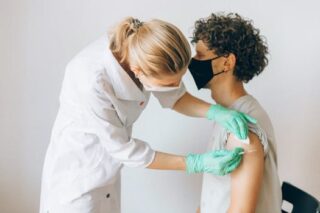
Understanding your hepatitis B surface antibody ql level is crucial for determining your exposure and immunity status to hepatitis B, a liver infection caused by the hepatitis B virus (HBV). Healthcare professionals often use this test to identify whether an individual has developed sufficient immunity to HBV, either through vaccination or previous infection. This article will delve into what your results might mean, as well as provide insight into managing your health related to hepatitis B.
What is the Hepatitis B Surface Antibody Ql?
The term “hepatitis B surface antibody ql” refers to the qualitative test used to detect antibodies against the hepatitis B virus in your bloodstream. This test determines if your body has built up an adequate immune response, typically as a result of vaccination. A positive hepatitis B surface antibody ql test means that antibodies are present, indicating immunity to the virus. Conversely, a negative result suggests a lack of these antibodies, and consequently, no immunity.
Understanding Your Test Results
Interpreting the results of your hepatitis B surface antibody ql test is vital in assessing your susceptibility or immunity to hepatitis B. Here’s what your results might indicate:
- Positive: A positive result indicates that you have antibodies against hepatitis B, suggesting immunity. This can result from either successful vaccination or recovery from a past infection.
- Negative: A negative result shows no antibodies detected, meaning you might be susceptible to infection and may benefit from vaccination if not previously vaccinated.
Your healthcare provider will consider these results alongside other hepatitis B markers, such as the hepatitis B surface antigen (HBsAg) and total hepatitis B core antibody (anti-HBc), to provide a comprehensive assessment of your hepatitis B status.
Why Is the Test Important?
Getting tested for the hepatitis B surface antibody ql is crucial, especially if you are at high risk for hepatitis B exposure. Populations at increased risk include healthcare workers, individuals with multiple sexual partners, intravenous drug users, and those with a family history of hepatitis B. Knowing your antibody levels helps you make informed decisions about your health and preventive measures you may need.
Interpreting the Signs of Hepatitis B
While the focus here is on antibody levels, understanding broader hepatitis B symptoms can guide early intervention. For insights on recognizing symptoms of related liver conditions, you might also find value in learning about the signs of hemochromatosis.
What If You’re Not Immune?
If your hepatitis B surface antibody ql test indicates a lack of immunity, vaccination becomes an essential preventive measure. The hepatitis B vaccine is highly effective at preventing the virus, significantly reducing the risk of infection. Your healthcare provider can recommend an appropriate vaccination schedule tailored to your needs.
Hepatitis B Surface Antibody Ql and Immunity
Understanding how the hepatitis B surface antibody ql functions in the immune response can reinforce awareness about its protective role. When the body encounters the hepatitis B surface antigen, either through infection or vaccination, it generates antibodies that target and neutralize the virus. Regular monitoring through this test can provide updates on your immune status, facilitating timely healthcare decisions.
Managing risk factors is an integral part of prevention. Beyond vaccination, consider lifestyle adjustments to reduce exposure risk, such as practicing safe sex, avoiding sharing needles, and practicing caution in healthcare settings.
Resources for Further Information
Reliable resources can support your understanding of hepatitis B and its management. For comprehensive information on hepatitis B and vaccination, visit the health page on Wikipedia. Such resources offer a wealth of knowledge valuable for patients and caregivers alike.
Tackling hepatitis B is a collaborative effort between individuals and healthcare providers. Being informed about your hepatitis B surface antibody ql levels and what they mean is a meaningful step towards protecting your liver health.
Remember, a proactive approach combined with professional healthcare support can ensure a thorough strategy against hepatitis B.
Takeaways
- The hepatitis B surface antibody ql test checks your immunity against the hepatitis B virus.
- A positive result indicates immunity, while a negative result suggests susceptibility to infection.
- Consult with healthcare providers for personalized advice and vaccination guidance.
- Access credible health resources to stay informed about hepatitis B and prevention strategies.
- Preventive measures beyond vaccination, such as lifestyle changes, can reduce exposure risks.
FAQ
What does a positive hepatitis B surface antibody ql test mean?
A positive test result indicates that you have immunity to hepatitis B, typically from either vaccination or recovery after infection.
Can a negative hepatitis B surface antibody ql test change over time?
Yes, antibody levels can change, especially if further vaccination or exposure occurs. Retesting might be necessary in some situations.
Is the hepatitis B vaccine effective?
Yes, the hepatitis B vaccine is highly effective at providing long-term protection when the recommended dosage is followed.
How soon should I get tested if I suspect exposure?
If you’ve been potentially exposed to hepatitis B, consult your healthcare provider immediately for testing and to discuss the need for post-exposure prophylaxis.
What other tests might be needed alongside the hepatitis B surface antibody ql test?
Your doctor may order additional tests like the hepatitis B surface antigen (HBsAg) and total hepatitis B core antibody (anti-HBc) for a full understanding of your hepatitis B status.
Other Articles You May Find of Interest...
- Is Your Hepatitis B Surface Antibody Ql Level Normal?
- Can Stress Cause Hives? Understanding the Connection
- What Is Spongiosis and How Does It Affect Skin Health?
- Is Augmentin Effective for Treating Sinus Infections?
- Is Macrobid a Penicillin or Something Different?
- Is Your Baby Experiencing Blueberry Muffin Rash? Here’s What You Need to Know
- Effective Strategies for Managing Herpangina Symptoms and Treatment




