






More Allergy, Asthma & Infectious Disease Articles
Is Your Baby Experiencing Blueberry Muffin Rash? Here’s What You Need to Know
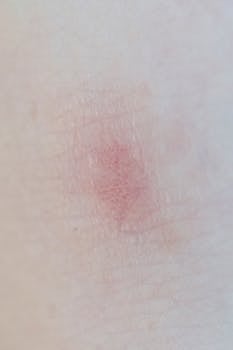
Blueberry muffin rash is a distinctive skin condition that may have concerned you if you’ve noticed unusual, spotty purple or blue marks on your newborn’s skin. These marks resemble the spots on a blueberry muffin and can appear on your baby’s trunk, arms, legs, or face. While the term might sound peculiar, understanding its causes and what it implies for your child’s health is essential.
Understanding Blueberry Muffin Rash
The term “blueberry muffin rash” refers to a particular appearance of the skin caused by blood cell proliferation in the dermal layer. This condition is related to a variety of underlying causes. One possible association includes congenital infections like rubella and cytomegalovirus (CMV). These conditions can lead to the development of spots on the baby’s skin, reminiscent of a blueberry muffin.
This rash can also occur due to hemolytic disease of the newborn or certain types of tumors, such as neuroblastoma or leukemia. It’s vital for healthcare providers to identify the root cause early on to address any potential health concerns.
Causes of the Blueberry Muffin Rash
Several factors might contribute to the onset of blueberry muffin rash. Congenital infections are among the most common causes. When a pregnant mother contracts infections like rubella or CMV, these viruses can be transmitted to the fetus, potentially leading to the characteristic spots upon birth.
Additionally, blood disorders present a potential cause. For example, if there’s an issue with blood cell production, such as in the case of certain anemias, it may result in similar skin manifestations.
Identifying the specific cause is typically done through the careful evaluation of associated symptoms and diagnostic tests, which your healthcare provider will guide you through.
Diagnosing Blueberry Muffin Rash
The diagnosis of a blueberry muffin rash involves a combination of clinical evaluation and laboratory testing. On observing such a rash, pediatricians will typically order blood tests to examine blood cell counts and search for signs of infection. In some cases, imaging studies may be necessary to assess for underlying tumors or other systemic conditions.
It’s important for parents to work closely with their healthcare providers to ensure an accurate diagnosis is achieved. Timely and precise identification of the underlying issue is crucial for implementing the best course of treatment.
Treatment and Management
Treatment for blueberry muffin rash heavily depends on the underlying cause. For instance, if a congenital infection is determined to be the trigger, antiviral treatments or supportive care may be recommended. In the case of blood disorders, specific interventions to correct the blood abnormalities could be necessary.
An important aspect of management is monitoring. Regular check-ups with a pediatrician can help ensure that the condition is under control and manage any complications that may arise. Parents should also be educated about what signs to look for that could indicate a worsening or new development of the condition.
When to Seek Medical Advice
It is always a good idea to get any unusual skin conditions checked by a healthcare provider. If you suspect your baby might have a blueberry muffin rash, or if you’re concerned about other symptoms or conditions they might be experiencing, reach out for professional medical advice immediately. Early detection can make a significant difference in the management of potential underlying causes.
To gain a broader understanding of healthy practices and effective management of conditions, consider exploring safe weight loss strategies and hidden causes in this related article on our website.
Additional Resources
For further detailed information on various health conditions that affect newborns and children, you can view reliable resources available online. An informative overview can be found in this article on health by Wikipedia.
Conclusion
Blueberry muffin rash, while initially alarming in appearance, provides crucial clues about an infant’s overall health condition. Understanding its possible causes and implications allows caregivers and healthcare providers to manage and treat any associated conditions effectively. It remains essential to consult with healthcare professionals for accurate diagnosis and treatment.
- Blueberry muffin rash appears as distinctive purplish-blue spots on a newborn’s skin.
- The rash may indicate underlying congenital infections or blood disorders.
- Diagnosis includes clinical evaluation and laboratory tests.
- Treatment depends on the underlying cause and requires medical guidance.
- Monitoring and follow-up care are essential for managing the condition.
What is a blueberry muffin rash?
A blueberry muffin rash is a distinctive skin condition that appears as purplish-blue spots, often indicating an underlying medical issue such as congenital infections or blood disorders in newborns.
What causes blueberry muffin rash?
This rash can be caused by congenital infections like rubella or CMV, blood disorders such as hemolytic disease, or certain tumors. Diagnosing the underlying cause is essential.
How is blueberry muffin rash diagnosed?
Diagnosis involves a clinical evaluation by a pediatrician, blood tests to assess cell counts, and potentially imaging studies to check for systemic conditions.
What treatment options are available for blueberry muffin rash?
Treatment varies based on the underlying condition. It may include antivirals for infections, interventions for blood disorders, and in some cases monitoring alone.
Should I be concerned if my baby has such a rash?
While the rash itself is a sign of an underlying issue, it’s important to consult healthcare professionals promptly for diagnosis and appropriate treatment to prevent complications.
Other Articles You May Find of Interest...
- Is Your Baby Experiencing Blueberry Muffin Rash? Here’s What You Need to Know
- Effective Strategies for Managing Herpangina Symptoms and Treatment
- Protect Yourself: The Essential Guide to Ticks and Permethrin
- The Fascinating Role of Potassium in Health and Its 19 Protons
- Protect Yourself: The Essential Guide to Ticks and Permethrin
- Is Fever After Surgery Normal and What Should You Do About It?
- Can Infants Get Strep Throat? Understanding the Risks and Symptoms




