






More Allergy, Asthma & Infectious Disease Articles
Is It Possible to Be Allergic to Your Own Sweat?
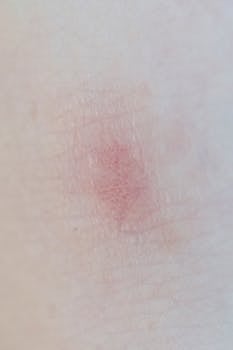
When it comes to allergies, most people think about pollen, dust mites, or specific foods. However, can you be allergic to your own sweat? This intriguing question brings us to a lesser-known condition called cholinergic urticaria. While “allergy” may not be the perfect term, some individuals experience skin reactions triggered by their own sweat. Understanding this condition can help those affected manage their symptoms better.
Understanding Cholinergic Urticaria
Cholinergic urticaria is a type of heat-induced hives that occur when the body increases its temperature. Sweating is one of the primary ways the body regulates temperature. During this process, some individuals may experience hives or itchy, red welts on their skin. These hives can appear suddenly after activities that induce sweating, like exercise, hot showers, or stressful situations.
How Does It Happen?
The condition is believed to be linked to the body’s response to changes in heat and sweat production. When you sweat, your body releases certain chemicals as part of the thermoregulation process. In people with cholinergic urticaria, these chemicals may trigger an exaggerated immune response, leading to the characteristic hives.
Symptoms of Cholinergic Urticaria
Symptoms typically include small hives, burning skin sensations, and an itching or tingling feeling. These symptoms usually appear within minutes of the body’s temperature rising and can last for up to an hour in some cases. In rare instances, this condition may lead to more severe allergic reactions, necessitating medical attention.
Can You Be Allergic to Your Own Sweat?
While it may seem that someone is “allergic” to their own sweat, cholinergic urticaria is more accurately a sensitivity rather than a true allergy. The immune system’s reaction is not due to a foreign allergen but rather an excessive response to the normal sweating process. Understanding this can aid in finding appropriate management strategies.
Diagnosis and Treatment
If you suspect you might have cholinergic urticaria, consulting a healthcare professional is essential. Diagnosis typically involves a physical examination and a detailed history of symptom patterns. In some cases, skin tests may be conducted to observe reactions to specific triggers.
Management usually focuses on avoiding known triggers and using treatments to alleviate symptoms. Antihistamines are commonly used to reduce hives and itching. In certain situations, more specific medications may be recommended by a healthcare provider. To learn more about maintaining a healthy lifestyle, check this article on how lifestyle choices impact our overall health.
Coping Strategies
Besides medication, lifestyle modifications can be effective in managing this condition. Some ways to reduce symptoms include minimizing exposure to heat, exercising in cooler environments, and avoiding hot showers. Staying calm and managing stress levels can also help, as stress is a known trigger for many individuals.
Living with Cholinergic Urticaria
Living with a condition like cholinergic urticaria can be challenging, but understanding your triggers and managing them can significantly improve quality of life. Keeping a diary to track activities, diet, and emotional stress can help identify patterns that exacerbate symptoms.
Emotional and Social Considerations
Dealing with visible skin reactions can be emotionally taxing and may impact social interactions. Open communication with friends and family regarding the condition can foster understanding and support. Joining support groups either virtually or in-person can also provide a helpful outlet for sharing experiences and coping strategies.
Seeking Professional Help
Persistently severe or troubling symptoms should be assessed by a healthcare provider. For some, working with an allergist or dermatologist may be necessary to develop a personalized management plan. If medication is required, it’s essential to discuss potential side effects and interactions with a healthcare professional.
Conclusion
So, can you be allergic to your own sweat? In essence, cholinergic urticaria is not a true allergy, but a heightened sensitivity to your body’s heat and sweat responses. With awareness and proper management, individuals can lead comfortable and active lives. For further information on health-related topics, the Wikipedia Health page provides a wealth of information.
- Cholinergic urticaria is a heat-induced sensitivity, not a true allergy.
- Triggers include exercise, stress, and exposure to hot environments.
- Symptoms range from mild hives to severe allergic reactions.
- Treatment involves avoidance of triggers and medication.
- Consulting healthcare professionals can provide tailored management.
FAQ
What triggers cholinergic urticaria?
Cholinergic urticaria is triggered by activities that increase body temperature, such as exercise, heated environments, and emotional stress.
Is cholinergic urticaria a life-threatening condition?
While most cases are mild, in rare instances, it can lead to severe reactions requiring immediate medical attention.
Can cholinergic urticaria go away on its own?
Some individuals may experience reduced symptoms over time, while others may require ongoing management to control symptoms.
What treatments are available for managing symptoms?
Treatment options include antihistamines to control hives and other medications as recommended by a healthcare provider.
How can I identify if I have cholinergic urticaria?
Consult a healthcare provider for proper diagnosis, which may include discussing your symptoms, medical history, and possibly taking a skin test.
Other Articles You May Find of Interest...
- How to Keep Pollen Out of Your Home: Choosing an Air Purifier for Pollen
- When Should Your Child See a Pediatric Allergist? A Three-Trigger Test
- Candida sp. rRNA Results: What Molecular Testing Detects
- Ant Bites or Poison Ivy? How the Rashes Differ
- Can Stress Cause Cold Sores on the Lips?
- Gram-Positive Rods in a Blood Culture: Contamination or Infection?
- Can Head Lice Get Into Your Ears?
Featured Doctors and Practices




