






More Allergy, Asthma & Infectious Disease Articles
How Long Can Cold Germs Survive on Everyday Surfaces?
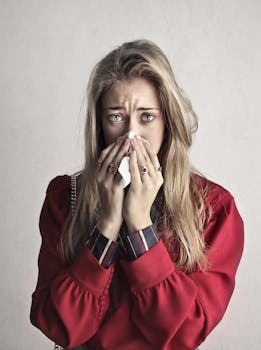
Understanding how long cold germs survive on everyday surfaces is essential for effective prevention and maintaining good health. When someone sick with a cold touches a surface, it can potentially become a hotbed for viral transmission. Knowing the lifespan of these germs can help us minimize exposure and reduce the spread of illness.
How Long Do Cold Germs Live on Surfaces?
Cold viruses, like the rhinovirus, are notoriously resilient. They can survive on indoor surfaces for several hours. In some controlled conditions, studies have shown that these viruses may remain viable on non-porous surfaces like metal, glass, or plastic for up to 48 hours. However, their ability to cause infections significantly decreases over time.
Porous surfaces, such as clothing and tissue, tend to retain cold germs for a shorter duration. This is because such surfaces often absorb and trap moisture, which can lead to a reduction in virus survival. Germs can linger on these materials for a few hours, but their ability to cause infection diminishes faster than on harder surfaces.
Factors Affecting Germ Survival
Several factors determine how long viruses can live on surfaces. Temperature and humidity play critical roles. Cold germs thrive in low temperatures and higher humidity levels, a combination often present during cold seasons. Conversely, warmer and drier conditions may reduce their lifespan.
The type of surface also affects virus survival. As mentioned earlier, smooth, non-porous surfaces like countertops and doorknobs enable longer germ survival compared to porous materials. The presence of cleaning agents can significantly impact the duration cold viruses can live, emphasizing the importance of regular disinfection.
Preventing the Spread of Cold Germs
Prevention is key when it comes to managing cold viruses. Regular handwashing with soap and water is one of the most effective methods to remove germs from your hands. In situations where soap and water aren’t available, using an alcohol-based hand sanitizer can help mitigate the spread of viruses.
Routinely cleaning and disinfecting frequently touched surfaces, such as kitchen counters, bathroom fixtures, and electronics, can also reduce the risk of spreading cold germs. It’s important to follow recommended guidelines on using cleaning products to ensure effectiveness.
The Importance of Healthy Habits
Maintaining a healthy immune system can play a significant role in fighting off infections. A balanced diet, regular exercise, and adequate sleep are foundational components of strong immunity. For guidance on creating a healthful lifestyle, consider reading our article on safe and effective weight-loss approaches.
Disinfecting Practices for Everyday Life
To minimize the risk of cold infections, incorporate simple disinfecting practices into your routine. Wipe down items that are often touched, like remote controls, doorknobs, and light switches, with disinfectant wipes. Carry hand sanitizer while on the go, especially during peak cold and flu seasons, to keep germs at bay.
It’s helpful to understand that while disinfection can greatly reduce the number of germs present, achieving complete sterility is nearly impossible in everyday environments. It’s about managing and reducing the risk wherever possible.
Conclusion: How Long Do Cold Germs Live on Surfaces?
The question of how long do cold germs live on surfaces underscores the importance of hygiene and proactive measures. By understanding the factors that influence germ survival and adopting healthy practices, we can significantly reduce the chances of catching or spreading cold viruses.
For more in-depth information on virus longevity and prevention, you can visit this comprehensive health resource.
- Cold viruses can live on non-porous surfaces for up to 48 hours.
- Porous surfaces support shorter virus survival.
- Temperature, humidity, and surface type influence germ longevity.
- Regular disinfection and handwashing are key prevention strategies.
- Healthy habits support a stronger immune system.
What are the best surfaces for germs to survive on?
Non-porous surfaces like metal, glass, and plastic are more conducive to germ survival due to their smooth and hard nature.
How does temperature affect the lifespan of cold germs?
Cold germs tend to survive longer in lower temperatures commonly experienced during the colder months.
Can cleaning products completely eliminate cold germs from surfaces?
While effective at reducing the number of germs, cleaning products rarely achieve complete sterilization of surfaces in typical home environments.
Which habits are most effective in preventing the spread of cold viruses?
Effective habits include regular handwashing, disinfecting frequently touched surfaces, and maintaining strong overall health through diet and exercise.
How do porous and non-porous surfaces differ in virus transmission risk?
Non-porous surfaces pose a higher transmission risk as they retain germs for longer periods, while porous surfaces absorb moisture, limiting germ longevity.
Other Articles You May Find of Interest...
- Exploring the Impact of Viral Exanthems on Health and Well-being
- The Role of Alpha 1 Globulin in Your Health and Well-being
- Are You at Risk? Discover If Yellow Jackets Sting
- The Importance of the Buffy Coat in Blood Analysis
- Safe Timing Between Zyrtec and Benadryl: What You Need to Know
- Samter’s Triad Explained: The Link Between Asthma, Nasal Polyps, and Aspirin Sensitivity
- Could You Be Allergic to Onions? Signs, Symptoms, and What to Avoid




