






More Allergy, Asthma & Infectious Disease Articles
Exploring the Interconnectedness of Cells, Organs, Organ Systems, and Tissues in Human Health
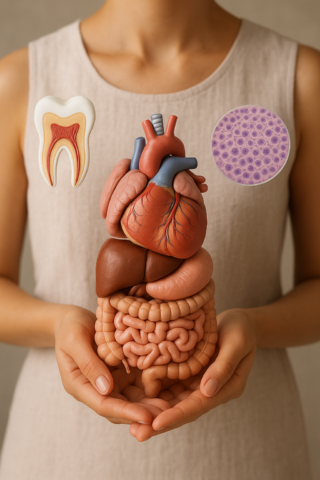
In our daily lives, we don’t often think about how the smallest components of our body play a crucial role in our overall health. But understanding cells, organs, organ systems, and tissues can shed light on how intricate and interconnected our bodies are. These elements work harmoniously, allowing us to go about our daily activities with ease.
The Complex Dance of Cells, Organs, Organ Systems, and Tissues
Every moment of our lives relies on the seamless operation of our body’s cells, tissues, organs, and organ systems. Cells are the basic building blocks of life, forming tissues that in turn build organs. These organs work within specific organ systems, each with its unique role to play.
The Role of Cells in Human Health
Cells are the starting point, each performing essential functions to maintain life. For example, red blood cells carry oxygen throughout your body, while nerve cells transmit signals. Their health and ability to divide and produce new cells are crucial for growth and repair.
Understanding Tissues and Their Importance
Tissues consist of groups of similar cells working together. There are four main tissue types: epithelial, connective, muscle, and nervous tissues. Each has a specific function, from protecting the body to enabling movement, which illustrates the complexity and specialization within our bodies.
Organs: The Functional Units
Organs like the heart, lungs, and liver are structures that perform specific functions. They’re composed of different tissue types working together. For example, the stomach utilizes muscle tissues for churning food and epithelial tissues for secreting digestive enzymes.
How Organ Systems Collaborate
Organ systems are groups of organs that work collectively to perform complex functions. The digestive system, for instance, includes the mouth, stomach, and intestines, working in tandem to process and absorb nutrients. Without such integrated efforts, our bodies would not function effectively.
When to Seek Care
It’s normal to experience occasional fatigue or sickness, but persistent issues might hint at underlying problems with your cells, organs, or organ systems. Consult a healthcare provider if you notice ongoing symptoms like unexplained pain, significant weight changes, or prolonged fatigue. A general practitioner can evaluate these symptoms and refer you to specialists if necessary.
Impact on Daily Life
Healthy cells, organs, and systems enable us to enjoy activities like work, exercise, and leisure without interruption. But when these processes falter, they can affect every aspect of life, from concentrating at work to enjoying time with family.
Connecting the Dots
The interconnected nature of our bodies means that a malfunction in one area can influence others. For instance, chronic liver disease can impact the digestive system and lead to issues like nutrient deficiencies and weight loss. It highlights the importance of understanding and maintaining this intricate balance.
For more detailed information on how various health aspects interlink, you can explore and learn through reliable resources like MedlinePlus.
Remember, health is a collective outcome of the body’s components working together in harmony. Understanding this interconnectedness can help in appreciating our bodies and discerning when something might require professional attention.
- Cells are the foundational units of life, working tirelessly to sustain bodily functions.
- Tissues are groups of cells with specific functions, forming the framework for organs.
- Organs perform vital functions, relying on different tissue types to do so.
- Organ systems ensure our body’s processes are efficiently managed and supported.
- Seek medical advice when persistent or severe symptoms arise.
Common Questions
When should I see a doctor about my symptoms?
If you’re experiencing persistent or severe symptoms like unexplained pain, fatigue, or significant weight changes, it’s advisable to consult a healthcare provider. Early intervention can help address issues before they become more serious.
What type of healthcare provider should I consult for organ-related issues?
A general practitioner can often be your first point of contact. They’ll evaluate your symptoms and refer you to a specialist, such as a gastroenterologist or cardiologist, depending on the organ system involved.
What are some common causes of organ system issues?
Many factors can affect organ systems, including genetics, lifestyle choices, infections, and chronic conditions. Maintaining a healthy diet, exercising regularly, and avoiding harmful substances can help reduce the risk of these issues.
How can I prevent damage to my tissues and organs?
Leading a healthy lifestyle by eating nutritious foods, staying active, and avoiding smoking or excessive drinking can support tissue and organ health. Regular check-ups with your doctor can also help catch any issues early.
How do cells renew and repair damage?
Cells have the ability to divide and produce new, healthy cells through a process called cell division or mitosis. This renewal is crucial for repairing tissues and keeping organs functioning properly. However, this process can slow or falter with aging or disease.
By understanding how cells, organs, organ systems, and tissues operate in unison, we can appreciate the magnitude of the work they silently perform every day.
Other Articles You May Find of Interest...
- How to Keep Pollen Out of Your Home: Choosing an Air Purifier for Pollen
- When Should Your Child See a Pediatric Allergist? A Three-Trigger Test
- Candida sp. rRNA Results: What Molecular Testing Detects
- Ant Bites or Poison Ivy? How the Rashes Differ
- Can Stress Cause Cold Sores on the Lips?
- Gram-Positive Rods in a Blood Culture: Contamination or Infection?
- Can Head Lice Get Into Your Ears?





