






More Allergy, Asthma & Infectious Disease Articles
Exploring the Impact of Rod-Shaped Bacteria on Human Health
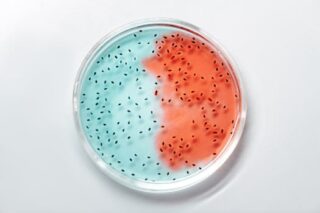
When we think of bacteria, many forms and shapes may come to mind. Among these, the bacteria that are rod shaped, known scientifically as bacilli, play a crucial role in both human health and the environment. Understanding these tiny organisms can help us appreciate the complex balance they maintain in ecosystems and inside our bodies.
The Role of Bacteria That Are Rod Shaped
Bacteria that are rod shaped are a diverse group of microorganisms characterized by their cylindrical shape. This shape, while simple, provides advantages such as increased surface area for nutrient absorption. Many rod-shaped bacteria are known to be beneficial, participating in processes like nitrogen fixation and cellulose decomposition.
However, some bacilli can also be pathogenic. Notable examples include the bacteria that cause anthrax, tuberculosis, and certain types of food poisoning. The balance between beneficial and harmful functions is a testament to their complexity and adaptability.
Importance in Human Health
In the human body, rod-shaped bacteria can be found in various environments, such as the gut, where they contribute to digestive health. They help break down complex carbohydrates and produce essential nutrients like vitamins K and B12. Some studies suggest that they may support immune function by interacting with our immune cells and promoting a balanced immune response.
Additionally, research is being conducted to explore how these bacteria influence conditions such as obesity and inflammatory bowel disease. The results are promising, though it’s important to note that more research is needed to fully understand these relationships.
Pathogenic Rod-Shaped Bacteria
Not all interactions with rod-shaped bacteria are beneficial. Some, like Salmonella and E. coli, can cause severe foodborne illnesses. It’s crucial to practice proper food safety measures to prevent infection, including cooking foods thoroughly and maintaining good hygiene practices.
Rod-shaped bacteria like Bacillus anthracis can pose serious health threats, causing conditions such as anthrax. These instances highlight the necessity for medical treatment and preventive strategies in managing pathogenic bacilli. For personalized medical advice, always consult a healthcare professional.
Environmental Importance
Beyond human health, rod-shaped bacteria are vital in various ecosystems. They contribute to nutrient cycling by decomposing organic matter and releasing nutrients back into the soil. This function is critical in sustaining plant and animal life and maintaining soil fertility.
Some rod-shaped bacteria are being studied for their potential in bioremediation, a process that uses microorganisms to clean up contaminated environments. Their ability to break down pollutants could have significant implications for environmental health and conservation efforts.
Probiotics and Rod-Shaped Bacteria
Interest in probiotics has surged in recent years, with many products containing beneficial rod-shaped bacteria like Lactobacillus. These probiotics are marketed as supporting digestive health, though their benefits may extend to other areas, such as immune function and mental well-being.
While evidence suggests probiotics can be helpful, results can vary widely. It’s essential to select products backed by scientific research and to consult healthcare providers for recommendations tailored to individual health needs.
For additional insights into the balance of bacteria in the body and related health conditions, explore our detailed guide on symptoms of hemochromatosis and digestive health.
Final Thoughts on Bacteria That Are Rod Shaped
The world of bacteria that are rod shaped is complex and multifaceted, with implications for health, environmental science, and industry. As research continues, our understanding of these organisms will deepen, potentially unlocking new avenues for medicine and environmental management.
To learn more about bacteria and their various roles, check out this informative article on Wikipedia.
- Rod-shaped bacteria, or bacilli, are important in both health and the environment.
- They assist in digestion and can play a role in immune system regulation.
- Some pathogenic bacilli can cause serious health conditions.
- Rod-shaped bacteria also contribute to nutrient cycling and bioremediation.
- Probiotics often contain beneficial bacilli, though their effects can vary.
FAQ
What are rod-shaped bacteria called?
Rod-shaped bacteria are scientifically known as bacilli.
How do rod-shaped bacteria impact human health?
They contribute to digestion and nutrient absorption. Some may affect immune responses and gut health conditions.
Can rod-shaped bacteria be harmful?
Yes, certain bacilli are pathogenic and can cause diseases like tuberculosis and foodborne illnesses.
What role do rod-shaped bacteria play in the environment?
They are essential for nutrient cycling, decomposing organic material, and supporting bioremediation.
Are probiotics with rod-shaped bacteria effective?
Probiotics can be beneficial but results vary. It’s best to choose ones supported by science and consult with healthcare professionals.
Other Articles You May Find of Interest...
- Samter’s Triad Explained: The Link Between Asthma, Nasal Polyps, and Aspirin Sensitivity
- Could You Be Allergic to Onions? Signs, Symptoms, and What to Avoid
- What High Basophil Levels Mean for Your Health
- Do Antibiotics Expire and What You Should Know About Their Shelf Life?
- Is Your Skin Reacting to Grass? Discover the Causes and Remedies for Grass Rash
- What You Need to Know About Viral URIs and Their ICD-10 Classification
- Is the Hepatitis C Antibody Test Right for You? Discover Important Insights



