






More Allergy, Asthma & Infectious Disease Articles
Effective Methods to Test for Parasites at Home
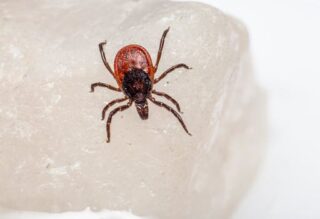
Understanding how to test for parasites at home can be a valuable skill for those looking to manage their health proactively. Parasites can affect anyone, and while some may not cause significant symptoms, others can lead to serious health issues. Testing at home for parasites can provide early indications that prompt you to seek professional medical care for confirmation and treatment.
How to Test for Parasites at Home
There are several methods you can use to test for parasites at home, each with varying degrees of accuracy. It’s essential to remember that while home testing can provide insight, it is not a substitute for professional laboratory tests.
Common Symptoms Indicating a Possible Parasite Infection
Before testing for parasites, you should be aware of the common symptoms that might suggest you have a parasite. These can include gastrointestinal issues such as diarrhea, bloating, and abdominal pain, as well as fatigue and unexplained weight loss. It’s important to recognize the signs of a possible infection early on, as discussed in more detail in this article about recognizing symptoms.
DIY Parasite Testing Kits
One of the most accessible options for testing at home is to purchase a DIY parasite testing kit available online or in pharmacies. These kits usually involve collecting a stool sample, which you then send to a laboratory for analysis. The lab will test for a variety of parasites and provide you with results, typically via email or an online portal.
Observational Methods
Another way to monitor for parasites is by closely observing changes in your bowel movements. Look out for unusual signs such as lumps, strings, or colored spots in your feces, which can indicate the presence of certain types of parasites. Though not scientifically accurate, these observations might suggest the need for further testing.
The Tape Test
The tape test is commonly used to detect pinworms, particularly in children. This involves placing a piece of clear tape around the anus first thing in the morning before bathing or using the toilet. You then check the tape under bright light or a microscope for signs of pinworms or their eggs.
Limitations of Home Testing
While home testing can be convenient, it has its limitations. Many tests only identify specific types of parasites, and some may not be detected at all without professional laboratory equipment. If you suspect an infection, especially if symptoms persist or worsen, it is crucial to consult with a healthcare professional.
Benefits of Professional Parasite Testing
Professional testing provides a more comprehensive analysis of potential parasite infections. Laboratories are equipped with advanced tools that allow for a detailed examination of stool samples, blood tests, and other indicators. Professional diagnosis is essential for the effective treatment and management of parasitic infections. To learn more about general health practices, visit the Health Wikipedia page.
Following Up on Your Results
Doing a home test for parasites is just the first step. If your results indicate a possible infection, it’s vital to follow up with a healthcare provider. They can order more specific tests and determine the best treatment plan tailored to your condition.
For more information on related health issues and symptoms, explore resources like those on hemochromatosis symptoms.
How to Safeguard Yourself Against Parasites
Apart from testing, preventing parasite infections involves maintaining good hygiene, such as washing hands regularly, cooking meat thoroughly, and using clean water. Avoid walking barefoot in areas where parasites are common, and be cautious when traveling to regions with known parasitic outbreaks.
Learning how to test for parasites at home is just as important as knowing how to prevent them. By staying informed and proactive, you can help protect yourself and your loved ones from potential infections.
- Home testing kits provide a preliminary insight but can’t substitute professional tests.
- Observe symptoms such as digestive issues to assess the need for testing.
- Professional tests are more comprehensive and conclusive.
- Preventive measures like good hygiene can reduce infection risks.
- Always consult with healthcare providers for advice and confirmation.
What are the common symptoms of a parasitic infection?
Common symptoms include diarrhea, abdominal pain, fatigue, and unexpected weight loss. If you notice these symptoms persistently, consider consulting a healthcare professional.
Can I rely solely on home testing kits?
Home testing kits can provide initial insights but are not a replacement for professional medical testing. For a definitive diagnosis, professional laboratory tests are recommended.
How effective is the tape test for detecting pinworms?
The tape test is a simple and often effective method for detecting pinworms, especially when conducted over several consecutive mornings.
What should I do if a home test indicates a parasite infection?
Follow up with a healthcare provider to confirm the diagnosis with more comprehensive tests and receive appropriate treatment recommendations.
How can I reduce the risk of parasite infection?
Practice good hygiene, cook meat thoroughly, ensure access to clean water, and be cautious in areas known for parasitic infections.
Other Articles You May Find of Interest...
- What Does Nitrite Positive Urine Indicate for Your Health?
- Exploring the Uses and Benefits of Levofloxacin Antibiotic
- Unlocking the Secrets of the 4T Score for Better Health Insights
- The Hidden Health Risks of d Farinae and How to Protect Yourself
- Effective Methods to Test for Parasites at Home
- Optimal Penicillin Dosage for Adults: What You Need to Know
- Exploring the Impacts of Citrobacter Koseri on Human Health




