






More Allergy, Asthma & Infectious Disease Articles
Could You Have a Yeast Infection in Your Belly Button?
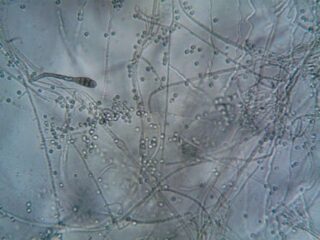
Yeast infections are commonly associated with areas like the mouth and genital region, but did you know you can also experience a yeast infection in your belly button? This might sound surprising, but the warm, moist environment of the navel can become a breeding ground for yeast, particularly if proper hygiene is not maintained. Understanding the signs, symptoms, and preventive measures can help you maintain good belly button health.
Understanding a Yeast Infection in Belly Button
A yeast infection in the belly button occurs when Candida, a type of yeast, multiplies in the belly button area. This condition may lead to redness, itching, and discomfort. People with diabetes, obesity, or those who sweat excessively are at higher risk because these factors can promote the growth of yeast.
Common symptoms of a yeast infection in the belly button include irritation and a cheesy, foul-smelling discharge. In some cases, the skin may crack or peel, making it vital to address these symptoms promptly with appropriate treatment.
Causes and Risk Factors
The primary cause of a yeast infection in the belly button is the overgrowth of yeast that naturally lives on the skin. Factors that contribute to this overgrowth include poor hygiene, tight clothing, and a compromised immune system. Additionally, individuals with certain medical conditions such as diabetes are more prone to these infections due to higher blood sugar levels that provide an ideal environment for yeast growth.
It’s important to remember that while anyone can develop a yeast infection in the belly button, maintaining proper hygiene and keeping the belly button area dry are effective preventive measures.
Treating and Preventing Yeast Infection
Treatment for a yeast infection in the belly button usually involves antifungal creams or ointments, which can be obtained over-the-counter or through prescription. In persistent cases, a healthcare provider might recommend oral antifungal medications.
Preventing a yeast infection in the belly button includes regular cleaning of the area with mild soap and water, ensuring it is thoroughly dried afterward. Wearing loose-fitting clothes and reducing the consumption of sugary foods can also help maintain a yeast-free environment.
When to Seek Medical Advice
If symptoms persist despite home treatment, or if there’s a significant increase in swelling and pain, it’s advisable to consult a healthcare professional. They can confirm the diagnosis and, if necessary, suggest a different treatment approach.
For more information on recognizing bodily symptoms and maintaining your health, visit our article on recognizing the signs and symptoms of hemochromatosis.
Additional Resources
Understanding general health principles can be beneficial in preventing conditions like a yeast infection in the belly button. For a broad overview of health-related topics, consider exploring resources such as the Wikipedia page on health.
Final Thoughts on Yeast Infection in Belly Button
Keeping your belly button clean and dry can significantly reduce the risk of developing a yeast infection in the belly button. Maintaining good personal hygiene and being aware of any changes in the area can help you address issues swiftly.
- Yeast infections can occur in the belly button due to the growth of Candida yeast.
- Symptoms include redness, itching, and a foul-smelling discharge.
- Antifungal treatments are effective in managing infections.
- A clean and dry belly button reduces infection risk.
- Consult a healthcare provider if symptoms persist or worsen.
FAQ
What causes a yeast infection in the belly button?
A yeast infection in the belly button is caused by an overgrowth of Candida, a type of yeast. This can occur due to factors such as poor hygiene, moisture retention, tight clothing, or underlying health conditions.
How can I prevent a yeast infection in my belly button?
Prevention involves maintaining good hygiene practices, such as regular cleaning and thoroughly drying the area. Wearing loose clothing and avoiding excessive sugar can also reduce yeast growth.
Are yeast infections in the belly button common?
While not as common as other types of yeast infections, they can occur, especially in individuals who are prone to excessive sweating or have compromised health conditions.
Can home remedies effectively treat a belly button yeast infection?
Home remedies may offer temporary relief, but it’s important to use antifungal creams or seek medical advice for persistent cases to ensure proper treatment.
Is it important to seek medical attention for a yeast infection in the belly button?
If over-the-counter treatments do not resolve the issue, or if symptoms worsen, it is crucial to consult with a healthcare provider for further evaluation and management.
Other Articles You May Find of Interest...
- Essential Guide to Children’s Zyrtec Dosage Based on Weight
- Could You Have a Yeast Infection in Your Belly Button?
- How to Determine the Right Allegra Dosage for Allergy Relief
- Clean Air, Quiet Lungs: What High-Security Labs Can Teach the Rest of Us
- The Role of Epitrochlear Lymph Nodes in Your Immune Health
- Recognizing Pneumonia: Key X-Ray Indicators to Look For
- Is It Safe to Combine Zyrtec and Claritin for Allergy Relief?




