






More Allergy, Asthma & Infectious Disease Articles
Can Chlorine Effectively Eliminate Lice and Nits?
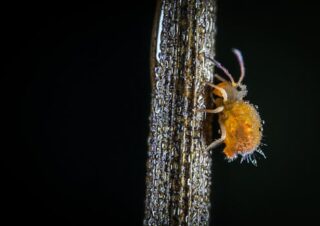
When faced with the persistent challenge of head lice, many people ask, “does chlorine kill lice and nits?” This is a common query, especially for those who frequent swimming pools and are searching for effective remedies against these stubborn pests. Understanding the properties of chlorine and its impact on lice is essential in finding appropriate treatment solutions.
Does Chlorine Kill Lice and Nits?
Chlorine, commonly used in swimming pools to disinfect water, is not effective in killing lice and nits. Lice are resilient parasites that latch onto the scalp and hair shafts, where they lay nits, or eggs. While chlorine is a powerful disinfectant, it does not penetrate the protective shells of nits or harm the adult lice’s robust exoskeletons. This means that exposure to chlorine in pools is not a viable method for eliminating these pests.
Understanding Lice and Their Lifespan
Lice are small insects that feed on human blood, primarily found on the human scalp. They spread primarily through close personal contact and are notoriously difficult to remove once an infestation takes hold. Female lice lay eggs, or nits, that adhere firmly to hair shafts with a sticky substance, making them difficult to dislodge.
The lifecycle of a louse begins as an egg (nit), from which it hatches into a nymph before maturing into an adult. This entire process takes about three weeks, and during this time, lice reproduce rapidly. Controlling an outbreak involves breaking this cycle effectively, often requiring the use of specialized treatments.
Why Chlorine Is Not a Reliable Treatment
Despite widespread belief in its efficacy, chlorine does little to eradicate lice or nits. Studies have shown that lice can survive underwater for several hours, clinging onto hair strands. Additionally, the chlorine levels used in swimming pools are insufficient to kill lice or penetrate the protective casing of nits.
Effective Strategies for Removing Lice and Nits
Conventional treatments at home include over-the-counter medicated shampoos and lotions specifically formulated to kill lice and nits. These products contain active ingredients such as permethrin or pyrethroids, which disrupt the nervous system of lice, leading to their demise. It’s crucial to follow application instructions carefully and repeat treatments as necessary to address any unhatched nits.
Aside from medicinal approaches, manual removal is a meticulous but effective approach. Using a fine-toothed lice comb can help remove lice and nits from the hair. This method requires patience and repetition to ensure complete eradication.
Preventing Lice Infestations
Prevention is crucial in managing lice outbreaks. Regularly checking children’s hair, especially if they have been exposed to head lice at school, is advisable. Educating children about the importance of not sharing personal items like hats, combs, and pillows can help reduce transmission. Furthermore, a holistic approach to wellness can strengthen overall health and resilience, as discussed in this article on holistic health.
Conclusion
In sum, the question “does chlorine kill lice and nits” has been answered with clarity. Chlorine, while a potent disinfectant for pools, does not effectively combat these persistent parasites. Instead, proven medicated treatments and thorough manual removal methods are the most reliable solutions for eradicating lice infestations.
- Chlorine in swimming pools does not kill lice or nits.
- Effective treatment includes medicated shampoos and manual removal.
- Lice spread through close contact, not via water.
- Prevention strategies can help minimize infestations.
Are there any natural remedies for lice removal?
Some natural remedies, such as essential oils, may support lice treatment, but their efficacy is not scientifically validated. It’s best to use proven medicated treatments and consult healthcare professionals.
How long do lice survive on a human head?
Lice can survive on a human head for about 30 days. Without a human host, they typically die within 24–48 hours.
Is it necessary to treat the whole household for lice?
Only the individuals infested with lice need treatment. However, it’s wise to check all household members to prevent further spread.
Can lice be found in bedding or upholstery?
While lice primarily reside on the scalp, they can sometimes be found in bedding and upholstery. It’s essential to clean these items regularly if an infestation occurs.
What should I do if over-the-counter treatments fail?
If over-the-counter treatments are ineffective, consult a healthcare provider for alternative prescription options. Explore reliable external sources, such as this article on health, for further guidance.
Other Articles You May Find of Interest...
- Exploring the Impact of Viral Exanthems on Health and Well-being
- The Role of Alpha 1 Globulin in Your Health and Well-being
- Are You at Risk? Discover If Yellow Jackets Sting
- The Importance of the Buffy Coat in Blood Analysis
- Safe Timing Between Zyrtec and Benadryl: What You Need to Know
- Samter’s Triad Explained: The Link Between Asthma, Nasal Polyps, and Aspirin Sensitivity
- Could You Be Allergic to Onions? Signs, Symptoms, and What to Avoid




