






More Allergy, Asthma & Infectious Disease Articles
Are You at Risk of Capnocytophaga Canimorsus Infections? Discover the Facts!
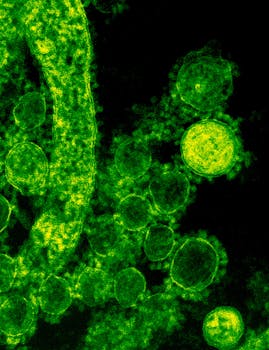
Capnocytophaga canimorsus is a type of bacteria found in the mouths of dogs and cats. It’s usually harmless to these animals but can cause infections in humans, especially after bites or important interactions. Understanding the risks and potential symptoms associated with this bacteria is crucial for keeping yourself safe.
What is Capnocytophaga Canimorsus?
The bacteria capnocytophaga canimorsus are part of the natural flora in the mouths of dogs and cats. While it can be harmless to these animals, it poses a risk to humans, particularly those with weakened immune systems. People can contract it through bites, scratches, or just by coming into close contact with pets.
Infection with capnocytophaga canimorsus in humans can lead to a variety of symptoms, ranging from mild irritation to severe complications like sepsis.
Who is at Risk?
Though anyone with a pet might be concerned about contracting capnocytophaga canimorsus, the risk is particularly high among certain groups. People with weak or compromised immune systems, including those with conditions like diabetes, cancer, or those who’ve undergone organ transplants, should be especially vigilant. The elderly and individuals who consume alcohol in excessive amounts are also more susceptible to infections.
Additionally, those who regularly work with animals, such as veterinarians and animal shelter workers, should take precautions to minimize their risk of infection.
Symptoms of Capnocytophaga Canimorsus Infection
Symptoms can begin to surface anywhere from one to fourteen days after exposure, typically arising within two to five days. Early symptoms include redness, swelling, and pain around the bite or scratch area. As the infection progresses, symptoms like fever, fatigue, and headaches may occur.
In severe cases, capnocytophaga canimorsus infections can lead to septicemia, causing symptoms such as confusion, blisters, and acute kidney dysfunction. Immediate medical attention is needed if any severe symptoms manifest.
Preventing Infection
Preventing capnocytophaga canimorsus infections starts with responsible pet interaction. Always wash your hands thoroughly after handling pets or cleaning up after them. If you are bitten or scratched, clean the wound immediately with soap and water and seek medical advice, particularly if you belong to a high-risk group.
Being observant of your pet’s behavior and ensuring they are healthy and vaccinated can also reduce the risk of transmission. Consulting with veterinary professionals about the best practices for keeping pets healthy is highly recommended.
Treatment Options
If a capnocytophaga canimorsus infection is suspected, a healthcare provider will typically prescribe antibiotics to clear the bacteria. Early diagnosis is crucial for effective treatment, so prompt medical intervention is essential when symptoms are observed after a pet-related injury.
It is important to consult with your healthcare provider about the best precautions and treatment options related to capnocytophaga canimorsus, adjusting to individual health conditions and medical history.
Understanding Capnocytophaga Canimorsus Infections
Having a pet is a rewarding experience, but being aware of potential risks such as capnocytophaga canimorsus is vital. Understanding how these bacteria interact with humans and how to prevent infections can help you enjoy your pets without compromising your health.
For those looking to balance a healthy lifestyle with pet ownership, consider reading about unlocking weight loss success with exercise and proper nutrition.
For more detailed information, you might find this resource helpful: Capnocytophaga canimorsus on Wikipedia.
- Capnocytophaga canimorsus is a bacteria found in the mouths of pets, mostly harmless but can be risky for humans.
- High-risk groups include those with weakened immune systems, the elderly, and those who work closely with animals.
- Symptoms range from mild to severe, requiring prompt medical attention if exposure is suspected.
- Preventive measures include proper hand hygiene and seeking early treatment for bites or scratches.
- Consult healthcare providers for personalized health advice if dealing with potential infections.
What are capnocytophaga canimorsus?
Capnocytophaga canimorsus are bacteria found in the mouths of many pets, especially dogs and cats. They can cause infections in humans, particularly after bites or scratches.
How can I prevent infection?
Maintain good hygiene by washing hands after handling pets, and clean any bites or scratches immediately. Avoid close contact if you have a weakened immune system.
What should I do if I’m bitten by a pet?
Clean the wound immediately with soap and water, and monitor for symptoms. Seek medical advice, especially if in a high-risk group.
What treatments are available?
Antibiotics are commonly used to treat capnocytophaga canimorsus infections. Early detection and consulting a healthcare provider promptly are key.
Where can I find more information?
For more information, explore resources like this Wikipedia article to learn more about capnocytophaga canimorsus.
Other Articles You May Find of Interest...
- Exploring the Impact of Viral Exanthems on Health and Well-being
- The Role of Alpha 1 Globulin in Your Health and Well-being
- Are You at Risk? Discover If Yellow Jackets Sting
- The Importance of the Buffy Coat in Blood Analysis
- Safe Timing Between Zyrtec and Benadryl: What You Need to Know
- Samter’s Triad Explained: The Link Between Asthma, Nasal Polyps, and Aspirin Sensitivity
- Could You Be Allergic to Onions? Signs, Symptoms, and What to Avoid




