






More Allergy, Asthma & Infectious Disease Articles
Are You at Risk? Discover If Yellow Jackets Sting
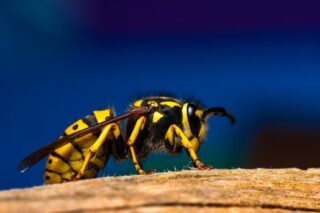
Yellow jackets are a common type of wasp that many people encounter during outdoor activities. Often mistaken for bees, one of the primary concerns when these insects are present is, “Do yellow jackets sting?” The simple answer is yes, yellow jackets can and do sting, and their sting can be painful and potentially dangerous for some individuals.
Do Yellow Jackets Sting? Understanding Their Behavior
Yellow jackets are known to sting when they feel threatened or are trying to protect their nests. Unlike bees, which can sting only once, yellow jackets can sting multiple times. This ability makes them particularly formidable when they are provoked or disturbed. It’s important to be aware of their presence, especially since they are more aggressive in the late summer to early fall when their food sources become scarce.
Recognizing Yellow Jackets
Yellow jackets are distinct in appearance with their yellow and black striped bodies, unlike the more hairy and robust bodies of bees. They are social insects, always found in colonies, which can range from hundreds to thousands of individual wasps. Knowing what they look like can help you avoid unwanted encounters.
Why Do Yellow Jackets Sting?
Yellow jackets generally sting when they feel their colony is under threat. This can happen if you accidentally come too close to a nest or disturb their foraging activities. Additionally, these wasps are naturally more aggressive than bees, which increases the likelihood of being stung.
What to Do If Stung by a Yellow Jacket
If you are stung by a yellow jacket, immediate first aid includes washing the area with soap and water to prevent infection. Applying a cold pack can help reduce swelling. Over-the-counter antihistamines may help alleviate minor allergic reactions. However, if you experience severe symptoms such as difficulty breathing or swelling of the face or throat, seek medical attention immediately as these could indicate a serious allergic reaction known as anaphylaxis.
Preventing Yellow Jacket Stings
There are several steps you can take to minimize the risk of yellow jacket stings. Avoid wearing bright colors and strong fragrances, as these can attract them. Be cautious when eating outdoors, as sweet foods and drinks can also lure yellow jackets. Keeping food covered and cleaning up spills promptly reduces the attraction of these insects to your area.
For more information on how lifestyle choices can impact our overall health, check out our article on healthy lifestyle and weight management.
Yellow Jacket Nests and Habitats
Yellow jackets build their nests in the ground, often in abandoned burrows, or in protected locations such as bushes or under eaves. These nests are made from a paper-like material produced by the chewing of wood fibers mixed with saliva. Identifying and avoiding these areas can help prevent unintended stings.
How to Safely Remove Yellow Jacket Nests
If a yellow jacket nest is located near your home or a frequently used area, it might be necessary to remove it. Due to the risk of stings, it’s advised to hire a professional pest control service to do this job safely. Professionals are equipped with protective clothing and proper equipment to handle yellow jacket nests effectively.
The Importance of Yellow Jackets in the Ecosystem
Despite the potential for painful stings, yellow jackets play a crucial role in the ecosystem. They are natural predators of pest insects and help in pollination as they travel from flower to flower. Maintaining a healthy respect and distance from them can help preserve ecological balance.
Conclusion: Do Yellow Jackets Sting?
Yes, yellow jackets do sting, and being informed about their behavior and habitat can significantly reduce your risk of an encounter. Taking preventive measures and knowing how to respond if stung can ensure that your time outdoors remains enjoyable. For more detailed health information, you can consult resources such as this article on health from Wikipedia.
- Yellow jackets are aggressive wasps that can sting multiple times.
- Avoiding brightly colored clothing and sweet foods reduces the risk of attracting yellow jackets.
- Take immediate action if stung, especially if you suspect an allergic reaction.
- Professional eradication is recommended for nests near human activity.
- Yellow jackets are beneficial to the ecosystem as insect predators and pollinators.
FAQ
What attracts yellow jackets?
Yellow jackets are attracted to sweet foods and beverages, as well as bright colors and floral patterns.
Can yellow jackets sting through clothing?
Yes, yellow jackets can sting through thin clothing, so it’s advisable to wear thick, layered outfits when near potential nests.
Do all yellow jacket stings result in allergic reactions?
No, not all stings result in allergic reactions, but some individuals may be more susceptible to severe reactions.
Is it possible to prevent yellow jacket stings completely?
While no method is foolproof, minimizing attraction and avoiding known nesting sites can greatly reduce the likelihood of a sting.
Are yellow jackets active year-round?
No, yellow jackets are primarily active from spring through fall, with their activity peaking in late summer and early autumn.
Other Articles You May Find of Interest...
- Are You at Risk? Discover If Yellow Jackets Sting
- The Importance of the Buffy Coat in Blood Analysis
- Safe Timing Between Zyrtec and Benadryl: What You Need to Know
- Samter’s Triad Explained: The Link Between Asthma, Nasal Polyps, and Aspirin Sensitivity
- Could You Be Allergic to Onions? Signs, Symptoms, and What to Avoid
- What High Basophil Levels Mean for Your Health
- Do Antibiotics Expire and What You Should Know About Their Shelf Life?




