






More Allergy, Asthma & Infectious Disease Articles
Are Fevers Contagious and What You Need to Know?
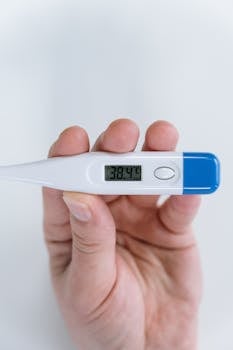
When someone in your household or workplace has a fever, it is natural to wonder: are fevers contagious? The simple answer might surprise you. A fever itself is not contagious. Instead, it is a symptom or response of the body fighting off an infection. Understanding how fevers work and what they signify can help you navigate situations where someone nearby is unwell.
Are Fevers Contagious?
The fever itself is a result of the body’s immune response to an underlying condition, usually an infection from bacteria or viruses. While a fever is not contagious, the infection causing it often is. For instance, common illnesses like the flu or a cold can spread from person to person, leading to similar symptoms, including fevers.
Why Do We Get Fevers?
A fever occurs when your body’s temperature rises above normal due to infection. This natural response helps your immune system attack and kill the germs causing the infection. It also signals you to rest and allow your body to heal. Most fevers are treated as part of an overall illness and usually resolve as the infection runs its course.
Common Causes of Fevers
- Viral Infections: Such as the flu, common cold, or COVID-19, are frequent causes of fever.
- Bacterial Infections: Conditions like strep throat or urinary tract infections often lead to fevers.
- Heat Exhaustion: Overexposure to high temperatures can sometimes cause your body to overheat.
- Vaccinations: Fevers can sometimes appear as a side effect of immunizations, as your body builds immunity.
When to Seek Medical Advice
While most fevers resolve without medical treatment, certain situations warrant professional evaluation. Seek advice if a fever persists for more than a few days, is very high, or occurs alongside other serious symptoms. Children and infants with fevers should be monitored closely, and medical care sought if there are additional signs of distress.
For insights into new therapies potentially helping with mental health issues, consider exploring this article on revolutionary OCD treatments.
Preventing the Spread of Infections
To prevent the spread of infections that can cause fevers, practicing good hygiene is crucial. This includes regular handwashing, avoiding close contact with those who are ill, and staying home when you are sick. Vaccinations also play a key role in protecting against certain illnesses that can cause fever.
How to Treat a Fever at Home
When dealing with a fever at home, comfort, and care are essential. Drink plenty of fluids to stay hydrated, rest as much as possible, and consider over-the-counter medications to reduce high fevers. Remember that treating a fever is often about easing discomfort rather than eliminating it entirely as it is your body’s natural healing mechanism.
Are Fevers Always a Cause for Concern?
In many cases, fevers are a temporary and harmless symptom. However, persistent or exceptionally high fevers can indicate more serious conditions and require medical evaluation. Understanding when and how to respond can ensure both safety and peace of mind.
For more detailed information on how fevers develop and their implications, you may find this resource helpful.
Final Thoughts: Are Fevers Contagious?
Fevers themselves are not contagious, but the infections causing them often are. Practicing prevention strategies, recognizing when to seek medical advice, and understanding your body’s immune responses will help you manage and respond to fevers effectively.
- Fevers are a symptom, not a disease, and are not contagious themselves.
- Infections that cause fevers can spread through droplets or direct contact.
- Good hygiene and vaccinations are key in preventing infectious diseases.
- Treating fevers involves staying hydrated, resting, and managing symptoms.
- Consult healthcare providers if fevers persist or are accompanied by severe symptoms.
FAQ
What symptoms accompany a fever?
Common accompanying symptoms include chills, sweating, headache, muscle aches, and fatigue. It’s important to monitor these alongside the fever.
How high is too high for a fever?
Generally, a fever above 103°F (39.4°C) in adults or children can be cause for concern, especially if it doesn’t respond to treatment. Seek medical advice for high fevers.
Can fevers be prevented?
While you can’t always prevent a fever, you can reduce the risk of infections through good hygiene, vaccinations, and avoiding contact with sick individuals.
Is it safe to treat a fever with medication?
Yes, over-the-counter medications like acetaminophen or ibuprofen can be used to lower a fever and alleviate discomfort, but always follow dosage instructions and consult a doctor if unsure.
When should you see a doctor for a fever?
If the fever lasts longer than a few days, is very high, or if there are other concerning symptoms like rash, difficulty breathing, or persistent vomiting, seek medical attention.
Other Articles You May Find of Interest...
- Are Fevers Contagious and What You Need to Know?
- What Does Black Discharge Mean for Your Health?
- Protecting Your Health: What You Need to Know About Sapovirus
- Are Allergy Shots Worth the Risk? Exploring Long-Term Side Effects
- Recognizing Haemophilus Influenzae Symptoms for Early Diagnosis and Treatment
- The Vital Role of Neutrophil Function in Immune Health
- The Role of Metamyelocytes in Your Blood Health




