






More Addiction Articles
The Lasting Effects of Carbon Monoxide in Your Blood: What You Need to Know
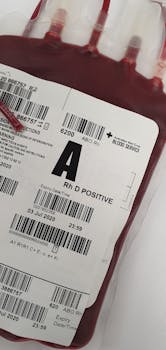
Understanding how long carbon monoxide stays in blood is essential, especially given the potential dangers associated with carbon monoxide exposure. Carbon monoxide, a colorless and odorless gas, can have significant health impacts if inhaled in large amounts. This article will explore how this gas interacts with our bodies, its lingering effects, and what you can do to minimize its impact.
How Long Does Carbon Monoxide Stay in Blood?
Carbon monoxide binds with hemoglobin in the blood to form carboxyhemoglobin, reducing the blood’s ability to carry oxygen. The duration carbon monoxide stays in the blood primarily depends on the level of exposure and the medical interventions employed to treat it. Generally, under normal conditions, the carboxyhemoglobin levels in the blood will reduce by half in about four to five hours. With the use of oxygen therapy, this process can be significantly accelerated.
Factors Affecting the Elimination of Carbon Monoxide
Several factors can influence how quickly carbon monoxide is eliminated from the body. These include:
- Concentration of exposure: Higher levels of exposure can result in carboxyhemoglobin persisting longer in the bloodstream.
- Pre-existing health conditions: Individuals with certain health issues may process carbon monoxide slower.
- Available medical treatments: Oxygen therapy can aid in faster elimination of carbon monoxide from blood, especially when administered promptly.
Understanding the Risks of Carbon Monoxide Exposure
Prolonged exposure to carbon monoxide can lead to symptoms such as headaches, dizziness, weakness, and confusion. In severe cases, it may cause loss of consciousness and even be fatal. It’s especially dangerous as it can occur without the victim’s awareness. Early detection of symptoms and seeking immediate medical attention can mitigate long-term health consequences.
For additional details on safely managing and preventing exposure to potentially harmful substances, visit our article on studies of the best options to treat obesity, which provides insights into other health control strategies.
Treating Carbon Monoxide Poisoning
The primary treatment for carbon monoxide poisoning is oxygen therapy. High levels of oxygen can help displace carbon monoxide molecules faster than under normal breathing conditions. In critical cases, hyperbaric oxygen therapy might be used, providing pure oxygen in a pressurized room, which aids in the rapid removal of carbon monoxide from the blood.
Prevention: Your Best Defense
Prevention is crucial when it comes to carbon monoxide exposure. Installing carbon monoxide detectors in your home and ensuring gas appliances are properly maintained can significantly reduce your risk. Regular inspection of these appliances by professionals can prevent leaks.
It’s also important to never leave a vehicle running in an enclosed space, like a garage, and to be cautious when using fuel-burning devices indoors, such as generators or grills. Awareness of these risks and taking preventive measures can safeguard your health effectively.
Additional Resources and Research
For those seeking more in-depth information on the subject, credible resources are available such as the Wikipedia page on carbon monoxide poisoning. This page offers comprehensive insights into symptoms, causes, treatment, and prevention of carbon monoxide exposure.
Being informed about carbon monoxide’s impact and response measures ensures you and your loved ones stay safe and healthy.
In summary, understanding how long carbon monoxide stays in blood, the symptoms of exposure, and effective treatments can empower you to prevent and address this common household hazard effectively.
- Carbon monoxide binds with hemoglobin, forming carboxyhemoglobin.
- Symptoms can include headaches, dizziness, and confusion.
- Oxygen therapy is a key treatment method.
- Prevention is crucial; use detectors to minimize risk.
- Knowledge of symptoms and treatment is vital for safety.
FAQ
What is carboxyhemoglobin?
Carboxyhemoglobin is a stable complex of carbon monoxide and hemoglobin that forms in red blood cells when carbon monoxide is inhaled. It prevents the blood from carrying oxygen effectively.
How can I tell if I have carbon monoxide poisoning?
Symptoms of carbon monoxide poisoning can include headache, dizziness, weakness, upset stomach, vomiting, chest pain, and confusion. These can often be mistaken for flu symptoms, so it’s crucial to seek medical attention if you suspect high exposure.
What is hyperbaric oxygen therapy?
Hyperbaric oxygen therapy is a treatment used for severe cases of carbon monoxide poisoning. It involves breathing pure oxygen in a pressurized environment to quickly remove carbon monoxide from the bloodstream.
Can carbon monoxide poisoning have long-term effects?
Yes, severe carbon monoxide poisoning can lead to long-term health issues such as brain damage, memory problems, and issues with coordination and spatial recognition. Immediate treatment can reduce these risks.
How often should I check my carbon monoxide detectors?
It’s recommended to test carbon monoxide detectors monthly and replace their batteries at least twice a year. Detectors themselves should be replaced every five to seven years, depending on the manufacturer’s instructions.
Other Articles You May Find of Interest...
- Mounjaro and Alcohol: What You Need to Know for Safe Use?
- Key Differences in Treatment Approaches in a Rehab for Men and Women
- The Lasting Effects of Carbon Monoxide in Your Blood: What You Need to Know
- Effective Strategies for Overcoming Smoking Addiction and Understanding ICD-10 Codes
- Assessing Recovery: The Role of the Rankin Modified Scale in Health Outcomes
- Is Snorting Adderall Safe? Exploring the Risks and Effects
- Is It Time for Alcohol Rehab? How to Tell When Drinking Has Crossed the Line



