






More Addiction Articles
Reversing Osteopenia: Is It Possible?
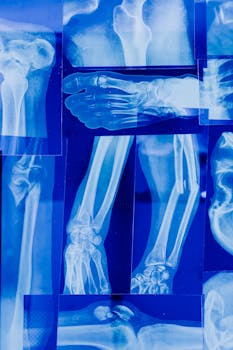
Osteopenia is a condition characterized by lower than average bone density, often seen as a precursor to osteoporosis. This naturally raises the question: can osteopenia be reversed? While complete reversal may not always be possible, there are steps you can take to improve bone density and prevent further bone loss. A combination of lifestyle adjustments, dietary choices, and healthcare guidance plays a vital role in managing osteopenia effectively.
Can Osteopenia Be Reversed? Understanding the Condition
Osteopenia involves reduced bone mass, making bones weaker and more susceptible to fractures. This condition often goes undetected until a bone density test reveals it. Unlike osteoporosis, osteopenia doesn’t always lead to frequent fractures but does increase the risk if not addressed. For many, the goal is to halt progression and maintain bone strength through various interventions.
Why Bone Health Matters
Your bones provide structural support, protect organs, store calcium, and anchor muscles. As we age, maintaining bone health becomes crucial to prevent fractures and other complications. Engaging in regular exercise and consuming a diet rich in bone-supporting nutrients can significantly impact overall bone health.
Steps to Enhance Bone Density
A few lifestyle changes can make a significant difference in managing osteopenia:
- Nutrition: Incorporating calcium and vitamin D is essential for bone health. Dairy products, leafy greens, and fortified foods are excellent sources of these nutrients.
- Exercise: Weight-bearing and resistance exercises, such as walking, jogging, or weightlifting, help strengthen bones. Discover more about starting an active lifestyle with small steps by reading our guide on becoming more active.
- Avoid Smoking and Excessive Alcohol: These habits can detract from bone health, so it’s advisable to limit consumption.
- Regular Check-Ups: Consult your healthcare provider to monitor bone density and assess the need for medications or supplements.
Dietary Considerations for Bone Health
Calcium is a building block for bones. Adults typically need about 1,000 to 1,200 mg daily. Dairy products like milk and yogurt, as well as plant-based sources like broccoli and almonds, contribute to daily intake. Vitamin D, obtained through sun exposure and foods like salmon, helps in calcium absorption.
Magnesium and vitamin K also play roles in maintaining bone health. Nuts, seeds, whole grains, and green vegetables are excellent sources of these nutrients.
Importance of Physical Activity
Exercise is vital for maintaining and improving bone strength. Physical exercise increases bone mass and enhances balance and coordination, reducing fall risks. Activities like walking, dancing, and aerobics encourage new bone tissue formation, making them essential for those with osteopenia.
Managing Other Risk Factors
While genetics and age are uncontrollable factors, addressing lifestyle-based risks can help manage osteopenia. For instance, ensuring a diet with adequate nutrients and engaging in weight-bearing exercises regularly.
Consulting Healthcare Providers
If diagnosed with osteopenia, consult your doctor for personalized advice. Some might suggest bone density tests to monitor progress, while others might recommend supplements to help maintain bone health.
Final Thoughts: Can Osteopenia Be Reversed?
While completely reversing osteopenia may not be feasible for everyone, it is possible to make substantial improvements to your bone health. By focusing on a nutrient-rich diet, incorporating regular physical activity, and discussing personalized care with your doctor, you can manage and potentially improve your bone density.
- Osteopenia indicates lower than average bone density but is not as severe as osteoporosis.
- Calcium, vitamin D, magnesium, and vitamin K play critical roles in bone health.
- Weight-bearing exercises contribute to stronger bones.
- Lifestyle changes can help manage and possibly improve osteopenia.
- Consultation with healthcare providers is essential for personalized treatment plans.
FAQs on Osteopenia
What is the difference between osteopenia and osteoporosis?
Osteopenia is a condition where bone density is lower than normal but not low enough to be classified as osteoporosis. Osteoporosis is more severe and increases the risk of fractures significantly.
How is osteopenia diagnosed?
Osteopenia is typically diagnosed with a bone density test, such as a DEXA scan, which measures the mineral content in bones.
Are supplements necessary for osteopenia treatment?
Supplements may be recommended by healthcare providers if dietary intake is insufficient. Always consult with a healthcare professional before starting any supplements.
Can young people develop osteopenia?
Osteopenia is more common in older adults, but it can occur in younger people due to factors like genetic predisposition, lack of nutrition, or inactivity.
Is osteopenia reversible with lifestyle changes alone?
While lifestyle changes can significantly impact bone health, they may not fully reverse osteopenia. However, such changes can prevent further bone loss and improve overall bone density when combined with medical advice.
Other Articles You May Find of Interest...
- Mounjaro and Alcohol: What You Need to Know for Safe Use?
- Key Differences in Treatment Approaches in a Rehab for Men and Women
- The Lasting Effects of Carbon Monoxide in Your Blood: What You Need to Know
- Effective Strategies for Overcoming Smoking Addiction and Understanding ICD-10 Codes
- Assessing Recovery: The Role of the Rankin Modified Scale in Health Outcomes
- Is Snorting Adderall Safe? Exploring the Risks and Effects
- Is It Time for Alcohol Rehab? How to Tell When Drinking Has Crossed the Line




