






Your Health Magazine
4201 Northview Drive
Suite #102
Bowie, MD 20716
301-805-6805
More Addiction Articles
Building Stronger Recovery Paths Through Accessible Treatment Options
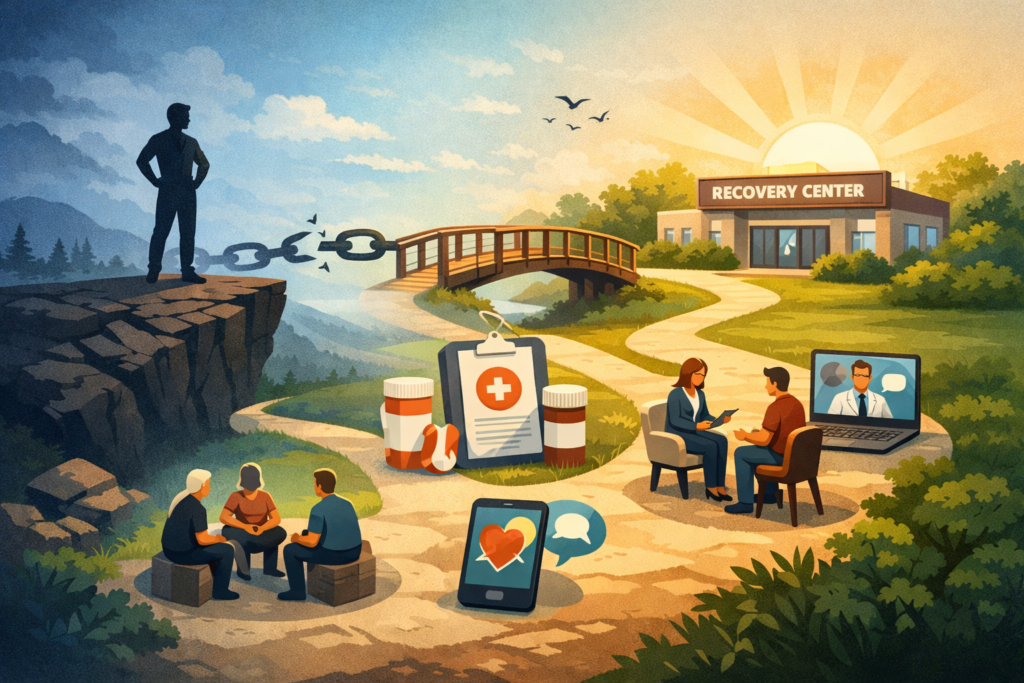
Recovery doesn’t happen in isolation. It unfolds in kitchens and living rooms, during early morning commutes, in quiet therapy rooms, and sometimes in the middle of an ordinary Tuesday afternoon when someone decides they don’t want to live the way they’ve been living anymore. Over the last several years, the conversation around addiction recovery has shifted. Instead of asking people to put their entire lives on pause, more communities are asking a different question: how can care fit into real life?
That shift has brought greater attention to accessible treatment options—programs that allow individuals to receive structured support while maintaining responsibilities at home, at work, and in their community. For many families, that flexibility isn’t a luxury. It’s the only realistic path forward.
The Changing Face of Recovery
For decades, residential programs were often seen as the primary solution for substance use challenges. While inpatient care remains vital for many people, it’s not the right fit for everyone. Some individuals need ongoing support but cannot step away from parenting duties, full-time jobs, or financial obligations. Others may have already completed a higher level of care and are looking for structured guidance as they transition back into daily life.
Today’s recovery landscape recognizes that healing isn’t one-size-fits-all. Accessible care models acknowledge the realities people face—childcare schedules, transportation limitations, mental health needs, and the stigma that can still surround seeking help. The goal isn’t simply to provide treatment. It’s to remove barriers that prevent people from starting.
Why Accessibility Matters
When treatment feels out of reach, people often delay getting help. That delay can lead to worsening health, strained relationships, job loss, and legal issues. On the other hand, when care is accessible—geographically, financially, and logistically—individuals are more likely to engage and stay engaged.
Accessibility can mean several things:
- Flexible scheduling, including evening or weekend sessions
- Programs located within the community
- Support that integrates mental health and substance use care
- Options that allow individuals to live at home while receiving treatment
In many towns and mid-sized communities, including areas like Milford, Massachusetts, residents are increasingly seeking Outpatient Addiction Treatment Milford MA as a way to bridge the gap between intensive support and everyday life. Rather than relocating to a distant facility, individuals can attend therapy sessions, group counseling, or educational workshops while maintaining their routines.
That continuity matters. Recovery is not separate from life—it’s woven into it.
The Strength of Outpatient Care
Outpatient treatment is often misunderstood as being “less serious” than inpatient care. In reality, outpatient programs can be highly structured and clinically robust. They may include:
- Individual therapy
- Group counseling
- Relapse prevention planning
- Family involvement
- Medication management (when appropriate)
- Mental health counseling
The difference is that participants return home at the end of the day. For some, that means practicing coping strategies in real time. Instead of learning skills in a controlled setting and later testing them, individuals apply what they learn immediately—navigating work stress, family dynamics, and social triggers with professional support along the way.
That real-world integration can strengthen long-term recovery.
Meeting People Where They Are
One of the most important trends in modern recovery care is the emphasis on personalization. No two people arrive at treatment with the same story. Some are managing anxiety or depression alongside substance use. Others are dealing with grief, trauma, or chronic stress. Some have supportive families; others may feel isolated.
Accessible treatment options recognize those differences. Rather than expecting people to fit into a rigid program, effective care adapts to the individual’s needs.
For example, someone who has stable housing and strong family support may thrive in an outpatient model from the start. Another individual might begin with more intensive services and gradually step down to outpatient support as they gain stability. In communities like Milford, having layered options allows residents to move through levels of care without disconnecting from local resources.
That continuity builds trust—and trust builds progress.
The Role of Community in Recovery
Recovery isn’t just a clinical process. It’s social. It’s relational. It’s deeply connected to the environment a person lives in.
Accessible local programs help individuals stay connected to their community while healing. They can attend school events, show up for work, and participate in neighborhood life. Instead of feeling removed from society, they remain part of it.
Community-based recovery also reduces stigma. When treatment becomes something people can access without leaving town, it becomes more normalized. Conversations begin to shift. Families talk more openly. Employers learn to support workers seeking help. Faith communities and local organizations become part of the solution.
In places like Milford, where community ties often run deep, having outpatient resources close to home allows recovery to feel less like exile and more like reintegration.
Balancing Responsibility and Healing
A common fear among individuals considering treatment is the potential fallout in other areas of life. Will they lose their job? Who will pick up their children from school? How will they pay their bills?
Flexible outpatient models address those concerns head-on. Evening sessions accommodate work schedules. Coordinated care helps individuals communicate with employers when needed. Family therapy sessions bring loved ones into the healing process rather than leaving them on the sidelines.
By balancing responsibility and recovery, accessible programs reduce the “all or nothing” mindset that often prevents people from taking the first step.
Integrating Mental Health Support
Substance use rarely exists in isolation. Anxiety, depression, trauma, and other mental health conditions frequently overlap. Accessible treatment options increasingly reflect this reality by integrating mental health services into recovery programs.
When individuals receive support for both substance use and underlying emotional challenges, outcomes improve. They’re not just learning to stop using substances; they’re developing healthier ways to cope with stress, regulate emotions, and rebuild relationships.
In outpatient settings, this integration can happen seamlessly. A participant might attend individual counseling one day, group therapy the next, and meet with a medical provider as needed—all while continuing daily life outside the program.
That holistic approach strengthens the recovery path.
Family as Part of the Process
Addiction affects more than one person. It touches partners, parents, siblings, and children. Accessible treatment options often include family education and counseling components, helping loved ones understand addiction as a health condition rather than a moral failing.
When families learn communication tools, boundary-setting strategies, and relapse warning signs, they become active participants in recovery rather than passive observers. That shared understanding can transform household dynamics and reduce resentment or confusion.
Outpatient programs, in particular, make family involvement more practical. Instead of traveling long distances for visits, loved ones can attend sessions locally and consistently.
Reducing Barriers, Increasing Hope
Transportation challenges, childcare needs, financial stress—these are real obstacles. When programs address these barriers thoughtfully, engagement rises.
Some communities have seen increased participation simply by offering staggered start times or coordinating with local transportation services. Others emphasize peer support networks, helping participants connect with people who understand their experiences firsthand.
The message behind accessible treatment is simple but powerful: recovery should not be reserved for those who can afford to step away from life entirely. It should be available to anyone ready to pursue change.
A Long-Term Perspective
Recovery is rarely linear. There may be setbacks. There may be moments of doubt. Accessible outpatient care supports the idea that healing is an ongoing journey, not a single event.
By remaining connected to local resources, individuals can return for additional support if needed without starting from scratch. Alumni groups, ongoing counseling, and community-based meetings create continuity that extends beyond the formal treatment timeline.
In areas where Outpatient Addiction Treatment Milford MA is part of the broader healthcare landscape, residents benefit from having a familiar place to turn—whether they are seeking help for the first time or reinforcing progress made months or years earlier.
Looking Ahead
As conversations about mental health and addiction continue to evolve, one truth stands out: the more accessible care becomes, the more lives can change. Flexibility does not dilute effectiveness. In many cases, it strengthens it.
Building stronger recovery paths requires meeting people where they are—geographically, emotionally, and practically. It means recognizing that healing doesn’t pause life; it unfolds within it. When treatment options reflect that understanding, individuals are empowered not only to recover but to rebuild.
Communities that invest in accessible care send a clear message: you don’t have to disappear to get better. You can stay connected, stay engaged, and still move forward.
And for many people standing at the edge of a difficult decision, that message is the one that makes taking the first step possible.
Other Articles You May Find of Interest...
- Is It Time for Alcohol Rehab? How to Tell When Drinking Has Crossed the Line
- Rehab for Women: Why Specialized Care Still Matters
- Stress, Life Transitions, and Independence Can Raise the Risk of Substance Abuse in Young Adults
- Unraveling the Significance of UDS in Medical Terminology
- Navigating the World of VTOS: Essential Insights for Better Health
- Navigating the Challenges of Buspirone Withdrawal
- How to Effectively Detect Smoking and Its Impact on Health



