
Home Helpers Home Care of Manassas-Gainesville, VA
703-952-3844
More Senior Health Articles
Five Cold Weather Safety Tips
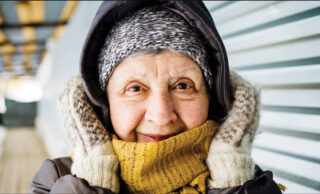
Winter brings colder temperatures, shorter days, and seasonal challenges that can significantly impact the health and safety of older adults. Seniors are often more sensitive to cold weather because of age-related changes, certain medications, and underlying health conditions. Taking preventive measures can help reduce the risk of illness, injury, and other winter-related emergencies.
Prepare Your Home For Winter
Schedule routine furnace maintenance before temperatures drop to ensure your heating system operates efficiently. Maintain an indoor temperature of at least 68°F and check that windows and doors are properly sealed. Install and regularly test smoke alarms and carbon monoxide detectors to protect against potential household hazards.
Be Prepared For Winter Storms
Monitor weather forecasts and prepare for unexpected emergencies. Keep several days’ worth of food, drinking water, essential medications, batteries, and flashlights readily available. Keep cell phones charged and consider having a portable backup charger. Avoid unnecessary travel during severe weather, and ensure vehicles are equipped with emergency supplies, blankets, and ice scrapers.
Use Portable Heaters Safely
Space heaters can provide additional warmth but pose potential fire hazards. Keep heaters at least three feet away from furniture, curtains, bedding, and other flammable materials. Plug heaters directly into wall outlets and always turn them off before leaving a room or going to sleep.
Prevent Winter Slips and Falls
Snow and icy surfaces increase the risk of falls and serious injuries. Wear supportive footwear with slip-resistant soles, keep walkways clear, and use handrails when available. Consider arranging assistance with snow removal, grocery shopping, and transportation during hazardous weather conditions.
Protect Your Mental Health
Reduced sunlight and limited social interaction during winter can contribute to seasonal affective disorder (SAD). Symptoms may include fatigue, sadness, irritability, increased sleeping, and loss of interest in activities. Staying socially connected, engaging in regular physical activity, and getting natural daylight when possible may support emotional well-being. Consult a healthcare provider if symptoms persist.
Recognize the Signs Of Hypothermia
Hypothermia occurs when body temperature falls below 95°F. Warning signs include confusion, slurred speech, drowsiness, pale skin, and shivering. If hypothermia is suspected, call 911 immediately. Move the individual to a warm location, remove wet clothing, and cover them with dry blankets. Avoid direct heat and rubbing their extremities.
Stay Connected and Supported
Regular wellness checks, companionship, and professional in-home assistance can help older adults remain safe, comfortable, and independent throughout winter. Proactive preparation provides peace of mind for seniors and their families.
Other Articles You May Find of Interest...
- Five Cold Weather Safety Tips
- Hernia Surgery in Older Adults: What Singapore Families Should Consider
- How to Use the Long-Term Care Rider on Your Life Insurance Policy
- What to Look for When Touring an Assisted Living Community
- Why Care Coordination Matters When an Aging Parent’s Needs Begin to Change
- Dry, Itchy Skin in Elderly Adults: Keeping Aging Skin Comfortable Through Winter
- Helping Seniors Cope With Grief During the Holiday Season