Your Health Magazine Contributor
4201 Northview Drive
Suite 102
Bowie, MD 20716
More Health Technology Articles
Vagus Nerve Stimulation Through the Ear: How Wearable Technology Works
Key Takeaways
- The vagus nerve connects the brain with organs involved in heart rate, digestion, and the body’s response to stress.
- Ear-based vagus nerve stimulation uses gentle electrical pulses to engage nerve pathways through the outer ear without surgery.
- Wearable neuromodulation devices such as Nuropod are designed to support everyday nervous system wellness.
- Research has explored the relationship between auricular vagus nerve stimulation, heart rate variability (HRV), sleep, and autonomic regulation.
- Device technology, stimulation location, and clinical research are important considerations when evaluating wearable options.
Wearable health technology is moving beyond tracking steps, sleep, and heart rate. A growing category of devices is designed to engage nervous system pathways rather than simply monitor physiological activity.
One example is auricular vagus nerve stimulation, a noninvasive approach that delivers gentle electrical pulses through the outer ear. Technologies such as Nuropod use this method to support everyday nervous system wellness, drawing on research into autonomic regulation.
But how does stimulation through the ear work, and what does the science actually tell us?
How Does Vagus Nerve Stimulation Through the Ear Work?
The vagus nerve is a major communication pathway connecting the brainstem with organs throughout the chest and abdomen. It contributes to functions such as heart rate regulation, digestion, and the body’s response to stress.
Although commonly associated with the body’s rest-and-digest response, the vagus nerve works within a much larger network responsible for automatic bodily functions.
Some branches of the vagus nerve extend into specific areas of the outer ear. This allows researchers and device manufacturers to investigate noninvasive electrical stimulation without requiring surgery.
During vagus nerve ear stimulation, electrodes deliver controlled electrical pulses to selected areas of the ear. These pulses are designed to engage sensory pathways that communicate with brainstem networks involved in autonomic regulation.
The exact stimulation location depends on the technology. Some devices target the tragus, the small projection of cartilage in front of the ear canal, while others use different ear locations.
These differences matter because research involving one stimulation method cannot automatically be applied to every device.
What Makes Ear-Based Stimulation Different?
Vagus nerve stimulation technologies differ in where and how stimulation is delivered.
Auricular stimulation uses electrodes positioned on the outer ear. It is noninvasive and has been investigated in research examining autonomic function and other physiological outcomes.
Cervical stimulation delivers electrical pulses through the skin of the neck. Although it also targets vagal pathways, the anatomical location and stimulation approach are different.
Implanted vagus nerve stimulation involves surgically placed components and is used in specific medical settings.
These approaches should not be considered interchangeable. Each has distinct technology, intended uses, and supporting evidence.
For consumers exploring wearable options, understanding the stimulation method is a useful starting point.
What Does Research Say About Ear-Based Neuromodulation?
Scientific interest in auricular vagus nerve stimulation has expanded across several areas of nervous system research.
One frequently investigated measurement is heart rate variability (HRV), which describes variation in the time intervals between successive heartbeats. HRV is influenced by autonomic nervous system activity, breathing, physical activity, and other physiological factors.
Research using particular auricular stimulation technologies has reported changes in selected HRV measures under controlled conditions. However, HRV is not a direct measurement of vagus nerve activity, and changes in HRV do not automatically indicate improvements in overall health.
Researchers have also investigated sleep quality, fatigue, and stress-related experiences. Findings vary depending on the study population, stimulation protocol, and outcome measures.
This distinction is important: evidence supporting auricular vagus nerve stimulation generally is not necessarily evidence supporting every commercial device using the approach.
Consumers should look for research connected to the specific technology being discussed rather than relying on broad statements about vagus nerve stimulation.
Nuropod: Wearable Technology for Nervous System Wellness
Nuropod is a noninvasive neuromodulation device designed to support everyday nervous system wellness.
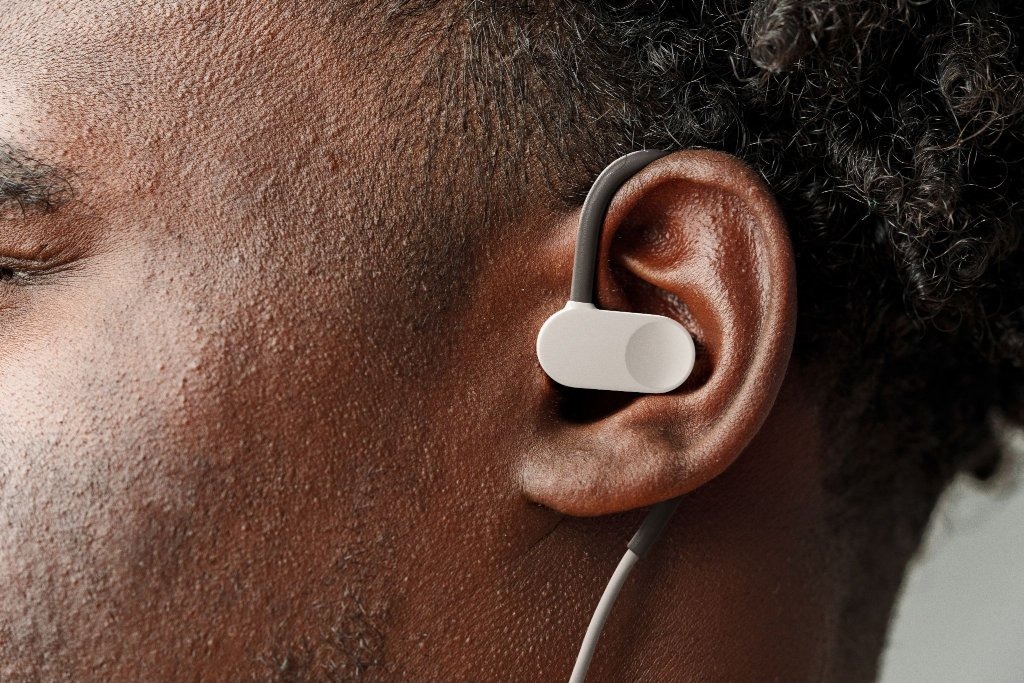
It uses Parasym’s proprietary Auricular Vagal Neuromodulation Technology (AVNT™) to deliver controlled electrical pulses through an earpiece positioned on the tragus.
As a wearable vagus nerve stimulator, Nuropod offers a practical way to incorporate auricular neuromodulation into an ordinary daily routine without surgery or a clinic visit.
The technology is supported by Parasym’s research program, which has investigated aspects of autonomic function, including heart rate variability and other physiological outcomes.
Importantly, research using Parasym’s AVNT technology should be distinguished from clinical research directly evaluating the current commercial Nuropod product. Findings apply to the populations, protocols, and outcomes examined in the respective studies.
Nuropod is intended for general wellness support, not for diagnosing medical conditions or replacing professional healthcare.
What Should You Consider Before Choosing a Wearable Device?
With more nervous system technologies becoming available, consumers should consider several factors beyond product design.
Stimulation method: Understand whether the device uses electrical stimulation at the ear, neck, or another location. Different approaches have different research foundations.
Scientific evidence: Look for research involving the specific technology. General vagus nerve research does not establish that every device produces the same effects.
Practical use: Consider how the device fits into daily activities, including placement, comfort, and operating instructions.
Safety information: Review the manufacturer’s precautions and intended-use guidance. People with medical conditions, implanted electronic devices, or unexplained symptoms should seek professional guidance before considering electrical neuromodulation.
Realistic expectations: Research findings describe outcomes observed under specific conditions. They should not be interpreted as guaranteed individual experiences.
A scientifically informed decision considers both the available evidence and the limits of what that evidence demonstrates.
The Role of Neuromodulation in Everyday Wellness
Nervous system well-being is influenced by several factors, including sleep, physical activity, nutrition, and daily stress.
Consistent health habits remain important foundations of overall wellness. Wearable neuromodulation represents an additional area of scientific investigation rather than a replacement for these practices.
Devices such as Nuropod reflect growing interest in making researched nervous system technologies more accessible through noninvasive wearable formats.
However, people experiencing persistent dizziness, palpitations, swallowing difficulties, or other unexplained symptoms should seek medical evaluation rather than assume that a stimulation device can address the underlying cause.
Final Thoughts
Vagus nerve stimulation through the ear is an emerging area of wearable neurotechnology. By delivering controlled electrical pulses to selected areas of the outer ear, these devices are designed to engage pathways involved in autonomic signaling without surgery.
Research has explored connections between auricular stimulation, HRV, sleep, and other measures of well-being. However, findings must be interpreted according to the technology and population studied.
Nuropod brings Parasym’s AVNT technology into a wearable format designed for everyday nervous system wellness. As interest in neuromodulation grows, understanding how devices work and what their research supports will help consumers make informed decisions.
Disclaimer: Nuropod is intended for general wellness use, not to diagnose, treat, cure, or prevent disease. Research referenced was conducted using Parasym’s neuromodulation technology under controlled conditions. Findings relate to specific study populations, and individual results may vary. Consult a qualified healthcare professional for medical advice.
Other Articles You May Find of Interest...
- How To Show A Knee Joint From The Far Side
- Vagus Nerve Stimulation Through the Ear: How Wearable Technology Works
- How Can ABA Therapy Software Help Clinics Track Treatment Progress?
- 7 Healthcare Product Development Companies: Services and Capabilities Compared
- How AI Is Changing Healthcare Hardware and Technology Sales in 2027
- How Cloud PACS Is Changing the Way Imaging Centers Store and Share Scans
- How Custom Health Platforms Support Growth for Medical Service Providers