More Beauty Skin Care & Gorgeous Smiles Articles
Flat Red Spots on the Skin: Possible Causes
By Your Health Magazine Health Information Team
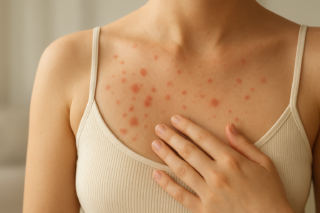
Flat red spots on the skin can result from irritation, an allergic reaction, infection, inflammation, medication effects, bleeding under the skin, or sun-related changes. Many causes are minor, but spots that do not fade when pressed, spread rapidly, occur with fever or illness, or persist and change should be evaluated by a healthcare professional.
What the Spots Look and Feel Like Matters
A flat spot is level with the surrounding skin rather than forming a noticeable bump. Small flat spots are sometimes called macules, while larger flat areas may be described as patches. Depending on skin tone and the underlying cause, they may look bright red, pink, reddish-purple, brownish-red, or darker than the surrounding skin.
Useful details include whether the spots itch, hurt, scale, blanch with pressure, or appeared after an illness, medication, new skin product, or prolonged sun exposure.
| Appearance or symptom | Possible explanation |
|---|---|
| Itchy or burning patches after contact with a product | Contact dermatitis or another inflammatory rash |
| Pinpoint spots that do not fade with pressure | Petechiae caused by bleeding beneath the skin |
| Widespread spots with fever or other illness | Viral, bacterial, or medication-related rash |
| Rough or scaly spot on sun-exposed skin | Sun damage, including possible actinic keratosis |
| Persistent spot that grows, bleeds, crusts, or does not heal | A lesion requiring examination for skin cancer or another condition |
Common Causes of Flat Red Spots on Skin
Contact Dermatitis and Skin Irritation
Contact dermatitis occurs when something touching the skin causes irritation or an allergic reaction. Potential triggers include fragrances, cosmetics, soaps, detergents, metals, adhesives, plants, hair products, and workplace chemicals. The rash is often itchy, burning, tender, dry, or swollen. Blisters, scaling, or cracks can develop as the reaction progresses.
The location may provide a clue. A rash beneath a watchband, around the waistband, on the hands, or where a new product was applied suggests an exposure-related cause. The American Academy of Dermatology provides examples of the signs and symptoms of contact dermatitis.
Infections and Illness-Related Rashes
Viral and bacterial illnesses can produce flat red spots or a more widespread rash. These eruptions may occur with fever, fatigue, sore throat, cough, swollen lymph nodes, headache, or digestive symptoms. Some infections begin with a rash in one area before spreading.
Because appearance alone cannot reliably identify an infection, a new rash accompanied by fever or significant illness deserves medical attention. This is particularly important for infants, people with weakened immune systems, and anyone whose rash is rapidly progressing.
Medication Reactions
Some medication reactions cause numerous flat red or pink spots, often beginning on the torso and spreading symmetrically. Reactions can occur after starting a new prescription, over-the-counter medicine, or supplement, but timing varies.
Contact the prescribing clinician promptly about a suspected medication rash. Do not stop or change a prescription medication without medical guidance unless emergency professionals instruct you to do so. Blistering, peeling skin, facial swelling, breathing difficulty, or sores involving the eyes, lips, mouth, or genitals require urgent care.
Petechiae and Purpura
Petechiae are tiny, flat red, purple, or brown spots caused by blood leaking from small vessels beneath the skin. Larger areas of bleeding are called purpura. Unlike redness caused by dilated blood vessels, these spots generally do not become pale when gentle pressure is applied.
Possible causes include injury, intense coughing or vomiting, certain infections, medication effects, blood-clotting disorders, and low platelet levels. The presence of petechiae does not reveal the cause, so sudden or unexplained spots should not be self-diagnosed. MedlinePlus explains more about bleeding into the skin and non-blanching spots.
Inflammatory Skin Conditions
Eczema, psoriasis, and other inflammatory conditions can create red patches. These are often itchy, dry, or scaly rather than completely smooth. Psoriasis commonly forms clearly defined plaques with scale, while eczema may cause intense itching, dryness, cracking, or oozing. The appearance can vary considerably with skin tone and body location.
Facial redness may also come from rosacea or seborrheic dermatitis. These conditions usually involve a recurring pattern rather than a single isolated spot.
Sun Damage and Skin Cancer
Actinic keratosis can appear as a flat or slightly raised red, pink, or brown patch on chronically sun-exposed areas such as the face, ears, scalp, forearms, or backs of the hands. It often feels rough or scaly. Actinic keratosis is not skin cancer, but some lesions can develop into squamous cell carcinoma.
A flat red spot is usually not cancer, but skin cancers can have varied appearances. Warning signs include a new or changing growth, a persistent scaly patch, a sore that does not heal, or an area that repeatedly bleeds or crusts. Learn more about skin cancer signs, diagnosis, and prevention. A spot that is brown or black rather than red may have different possible causes; this overview of small black dots on the skin explains several distinctions.
What You Can Check at Home
- Note when the spots appeared. Consider recent illnesses, sun exposure, injuries, new products, medications, or supplements.
- Look for associated symptoms. Itching may suggest inflammation or allergy, while fever or feeling unwell raises concern for infection or a more serious reaction.
- Apply gentle pressure. Notice whether the color temporarily fades. A non-blanching spot may represent bleeding beneath the skin, although this check cannot determine the cause.
- Track changes. Photograph the area in consistent lighting and note whether it spreads, becomes raised, develops scale, or begins bleeding.
- Avoid irritating the area. Use gentle, fragrance-free skin care and avoid introducing additional products while the cause is unclear.
When to Seek Care
Seek emergency care for flat red spots accompanied by difficulty breathing or swallowing, swelling of the face or lips, confusion, fainting, severe headache, stiff neck, or rapidly worsening illness.
Obtain prompt medical evaluation for a non-blanching rash with fever, rapidly spreading spots, unexplained bruising or bleeding, blistering or peeling skin, severe pain, or involvement of the eyes, mouth, or genitals. The American Academy of Dermatology summarizes additional warning signs that a rash needs medical attention.
Schedule a primary care or dermatology appointment if a spot lasts several weeks, repeatedly returns, changes in size or color, becomes rough or scaly, bleeds, or fails to heal. A clinician can examine the full pattern, review medications and exposures, and determine whether blood tests, allergy testing, or a skin biopsy is appropriate.
This information is for general education and cannot identify the cause of an individual skin change.
Other Articles You May Find of Interest...
- Mommy Makeover Surgery Cost: Prices and What to Expect
- Flat Red Spots on the Skin: Possible Causes
- Armpit Boil: Causes, Treatment, and When to Seek Care
- Can Laser Skin Resurfacing Help With Sun Damage and Age Spots?
- Home Skin Care: Building a Healthy Skincare Routine with Modern At-Home Treatments
- Holiday Confidence, Inside and Out
- How Much Does Breast Augmentation in Korea Cost and What Does the Price Include?