Your Health Magazine Contributor
4201 Northview Drive
Suite 102
Bowie, MD 20716
More Chronic Illness Articles
Chronic Kidney Disease: Stages, Treatment Options and When a Transplant May Be Needed
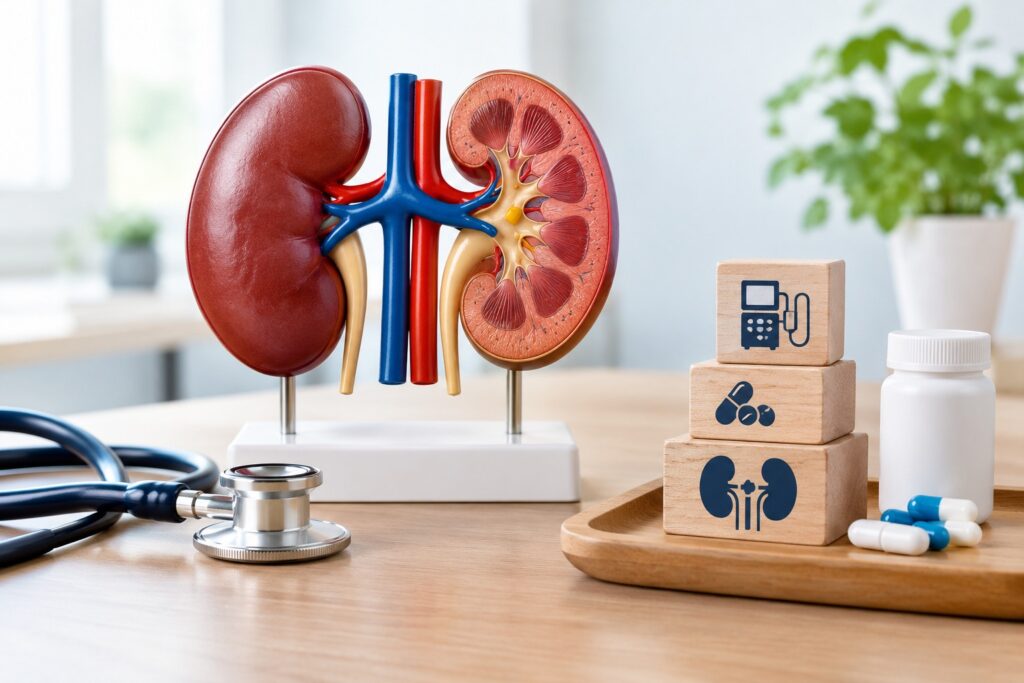
Kidney disease rarely announces itself. Many people discover it by chance, through a routine blood test before a surgery or during a check-up for diabetes or blood pressure. By the time symptoms such as swollen feet, tiredness or reduced appetite appear, the kidneys have often already lost a large part of their function.
Chronic kidney disease (CKD) is a long-term condition in which abnormalities of kidney structure or function persist for at least three months. In India, the rising number of people living with diabetes and high blood pressure has made CKD a growing concern. Understanding how the disease progresses, and what can be done at each stage, helps patients and families make better decisions about care.
What Do the Kidneys Do?
The two kidneys, each about the size of a fist, filter waste and excess water from the blood and remove it as urine. They also help control blood pressure, keep the balance of salts and minerals in the body, support the production of red blood cells and keep bones healthy.
When the kidneys are damaged over months or years, waste begins to build up in the body. This is what doctors mean by chronic kidney disease.
Common Causes of Chronic Kidney Disease
The two leading causes are diabetes and high blood pressure. Both slowly damage the tiny blood vessels inside the kidneys, often without any warning signs for years. Other causes include:
- glomerulonephritis, a group of conditions that cause inflammation in the kidney’s filters
- polycystic kidney disease, an inherited condition in which cysts form in the kidneys
- repeated kidney infections or long-standing blockages, such as kidney stones or an enlarged prostate
- long-term use of certain painkillers without medical advice
People with diabetes, high blood pressure, a family history of kidney disease, or those above the age of 60 are at higher risk and benefit from regular kidney checks.
Symptoms to Watch For
Early CKD usually has no symptoms at all. As the disease advances, people may notice:
- swelling in the feet, ankles or around the eyes
- tiredness and weakness
- loss of appetite, nausea or vomiting
- changes in urination, such as passing urine more often at night or foamy urine
- itching, muscle cramps and difficulty sleeping
- breathlessness in later stages
Because symptoms appear late, simple tests are the most reliable way to catch the disease early. A blood test for creatinine, used to calculate the eGFR (estimated glomerular filtration rate), and a urine test for protein are usually enough to start.
The Five Stages of Chronic Kidney Disease
Doctors divide CKD into five stages, based mainly on the eGFR, which shows how well the kidneys are filtering the blood.
- Stage 1 (eGFR 90 or above): kidney function is normal, but there are signs of damage, such as protein in the urine.
- Stage 2 (eGFR 60 to 89): mildly reduced kidney function together with evidence of ongoing kidney damage, such as albumin in the urine.
- Stage 3 (eGFR 30 to 59): a moderate loss of function. This stage is often split into 3a and 3b. Symptoms such as tiredness and swelling may begin to appear.
- Stage 4 (eGFR 15 to 29): a severe loss of function. This is the time to begin planning for dialysis or a transplant.
- Stage 5 (eGFR below 15): kidney failure, also called end-stage kidney disease. The kidneys can no longer keep the body healthy on their own.
Not everyone with CKD moves through all five stages. With good care, many people remain in the early stages for years.
Treatment Options at Different Stages
In the early stages, the aim of treatment is to protect the remaining kidney function and slow the disease down. This usually involves:
- keeping blood pressure and blood sugar under good control
- medicines that reduce protein loss in the urine and protect the kidneys
- a kidney-friendly diet, often with less salt, and changes in protein, potassium or phosphorus intake as advised by the doctor or dietitian
- avoiding unnecessary use of NSAID pain relievers and other medicines that may harm the kidneys, and checking with a healthcare professional about which medications are safe for your level of kidney function
- stopping smoking and staying physically active
As the disease advances, treatment also addresses its effects on the rest of the body, such as anemia, weak bones and fluid build-up.
When the kidneys fail, the body needs another way to filter the blood. There are two main options: dialysis and kidney transplant.
Understanding Dialysis
Dialysis takes over part of the work of the kidneys. In haemodialysis, blood is filtered through a machine, usually at a dialysis centre, for a few hours at a time, two to three times a week. In peritoneal dialysis, the lining of the abdomen acts as a natural filter, and the process can be carried out at home.
Dialysis keeps people alive and well for many years, but it is a lifelong commitment. It does not fully replace the kidneys, and many patients find the routine tiring.
When a Kidney Transplant May Be Needed
For many suitable patients, a kidney transplant is a preferred kidney-replacement option for kidney failure. A healthy kidney from a donor is placed in the patient’s body, where it takes over much of the work of the failed kidneys. For suitable patients, a transplant can offer greater freedom and quality-of-life advantages compared with long-term dialysis.
Doctors usually begin discussing a transplant when a patient reaches stage 4 or stage 5. In some cases, a transplant can be done before dialysis is ever needed. This is known as a pre-emptive transplant.
Not every patient is suitable for a transplant. The medical team carries out a detailed evaluation of the heart, lungs, infections and overall fitness to decide whether surgery is safe.
The new kidney can come from two sources:
- Living donor: usually a close family member, such as a parent, sibling or spouse, who has two healthy kidneys. A person can live a normal life with one healthy kidney.
- Deceased donor: a kidney donated after the death of a person whose family has consented to organ donation.
In India, organ donation and transplantation are governed by the Transplantation of Human Organs and Tissues Act, and every transplant goes through a legal approval process. After the transplant, patients take medicines every day to stop the body from rejecting the new kidney, and they attend regular follow-up visits.
Early Checks Make the Biggest Difference
Chronic kidney disease is common, often silent and largely manageable when found early. A simple blood and urine test once a year is worth it for anyone with diabetes, high blood pressure or a family history of kidney disease.
For those whose kidneys are already failing, knowing the options early leaves time to plan carefully, whether that means preparing for dialysis or exploring a transplant.
Other Articles You May Find of Interest...
- Chronic Kidney Disease: Stages, Treatment Options and When a Transplant May Be Needed
- Rheumatoid Arthritis in the Hands: Early Signs and Treatment
- Supplements and Chronic Kidney Disease: Why Amla and Astaxanthin Need a Second Look
- Living Well With Lupus: Everyday Habits That Help You Feel More Like Yourself
- When Should You See a Kidney Specialist? Signs You Should Not Ignore
- Why Dialysis Access Care Is an Important Part of Kidney Treatment
- ITP vs. TTP: Two Platelet Disorders, Opposite Urgency