Your Health Magazine Contributor
4201 Northview Drive
Suite 102
Bowie, MD 20716
More Supplements Articles
Top Whole Food Nutrition Products in the USA: A Practical Guide
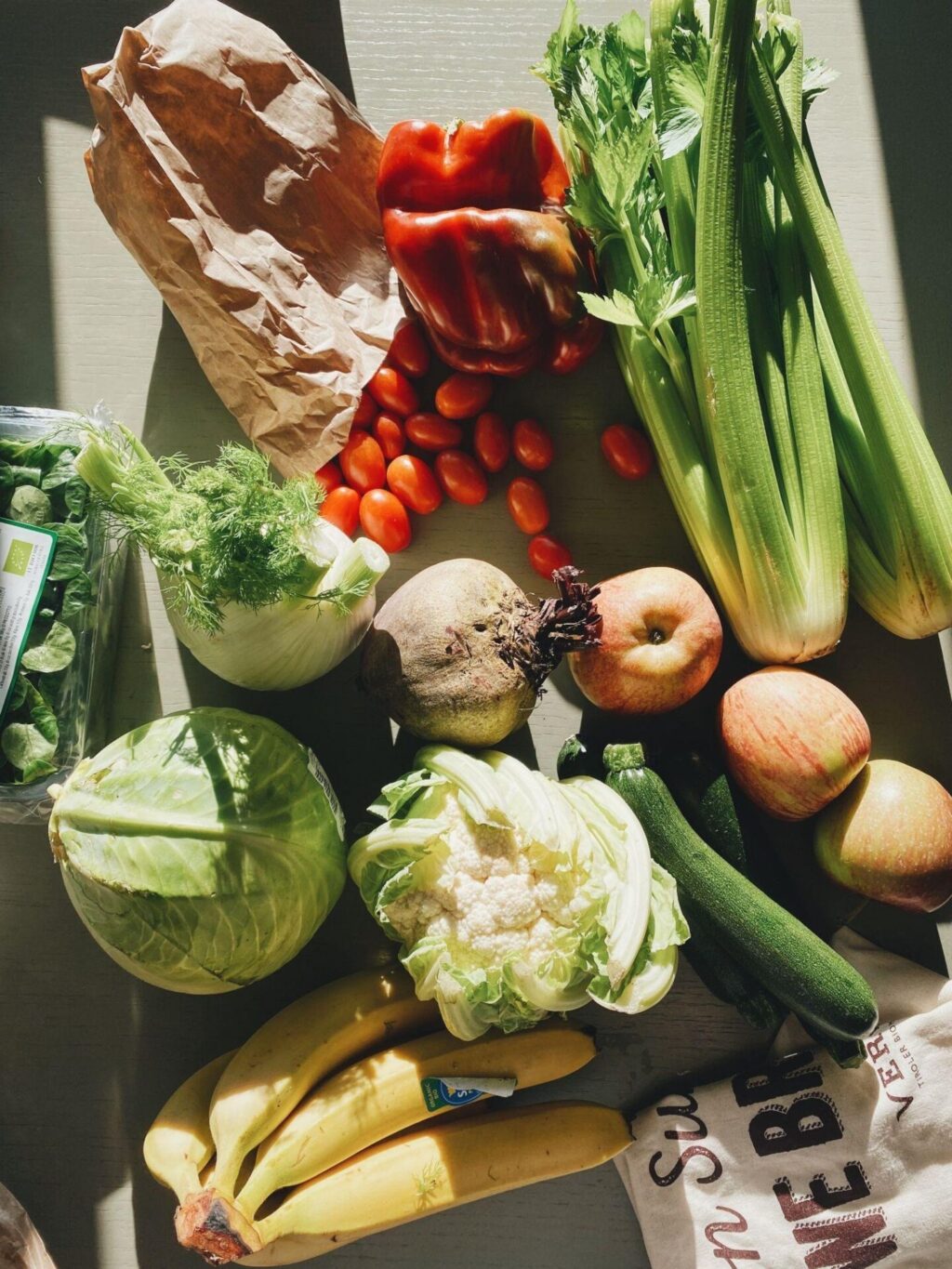
Most Americans know they should eat more produce and yet far fewer manage it. According to the CDC, just 12.3% of adults met fruit recommendations and 10% met vegetable recommendations. Busy schedules, cost, and habit all play a part.
That gap is one reason whole food nutrition products, especially focused on fruit and veggies, have grown in popularity. Many conventional vitamins rely on isolated or synthetic nutrients. Whole food nutrition products take a different route: they dry and concentrate the food itself, so the nutrients arrive with the natural compounds that come alongside them. They aren’t a substitute for a varied diet, but some people use them as a convenient way to supplement their usual food intake.
What to Look for in a Whole Food Nutrition Product
The most useful question is a simple one. Is this a food that has been concentrated, or a single nutrient that has been extracted? A short ingredient list, with the food itself named first, is usually a good sign.
It also helps to know how products are regulated. In the United States, the FDA does not approve dietary supplements for safety and effectiveness before they are sold. Manufacturers are responsible for what goes in the bottle. That makes clear sourcing and independent testing worth checking before you buy.
Examples of Whole Food Nutrition Products
Juice Plus+ Fruit, Vegetable & Berry Blend Capsules
One example in the fruit-and-vegetable supplement category is Juice Plus+. Its fruit and vegetable blends are made from produce harvested at peak ripeness, pulverized whole where possible (including peels, leaves and seeds) and transformed into powders, which are then combined with plant-sourced vitamins. The fruit blend includes apple, peach, cranberry, orange and mango. The vegetable blend includes broccoli, spinach, kale, carrot and tomato. A berry blend completes the trio.
The company says it has invested in 35 human clinical trials on Juice Plus+ Essentials capsules since 1995, resulting in 50 published scientific research papers. The fruit and vegetable capsules are also certified non-GMO and gluten-free. They may appeal to people who find it difficult to eat produce consistently, although they are not a substitute for eating a varied diet that includes fruits and vegetables.
ARMRA Colostrum
Colostrum is the first milk a mammal produces after giving birth. ARMRA sells bovine colostrum from grass-fed cows as a powder in jars or single-serve travel sticks, designed to support gut health, immune function, and hair and skin health.
The company processes it with a cold-chain pasteurization method and describes the product as containing more than 400 bioactive compounds. Because it comes from milk, it is not suitable for anyone with a dairy allergy.
Nutrex Hawaii Pure Hawaiian Spirulina
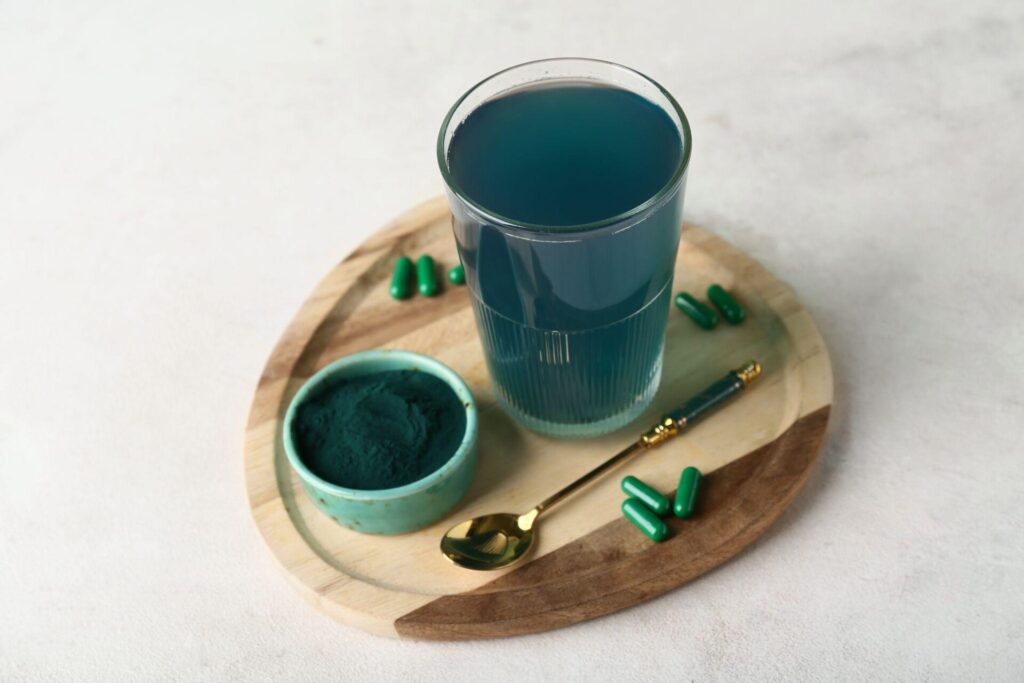
Spirulina is a blue-green algae sold as whole, dried biomass. Nutrex Hawaii has grown its spirulina on a farm on Hawaii’s Kona coast for more than 40 years, in ponds fed by fresh aquifer water and deep ocean water. The powder can be stirred into a smoothie, juice or other beverage according to the product’s serving directions.
Source matters with spirulina. Algae grown in open ponds can be contaminated by other microorganisms, and a 2023 study of retail spirulina products found microbiological safety issues linked to that type of production.
Look for brands that disclose where and how their algae is grown, and that use third-party testing.
Sun Chlorella
Chlorella is a single-celled freshwater green algae. It is naturally rich in chlorophyll, plant protein, vitamin B12, and carotenoids; it is essentially a superfood supplement used to support daily nutrition.
Its tough outer cell wall can make it hard to digest, which is why Sun Chlorella pulverizes the wall before pressing the algae into tablets. The Japanese company has produced chlorella for more than 50 years.
Bee Pollen
Bee pollen is the pollen that honeybees gather and pack into granules. It is sold loose or in capsules, and its makeup varies with the plants the bees visited. Typically, it would be added to a smoothie or yogurt if it’s in loose form.
Bee pollen is widely available from various brands and contains a mixture of nutrients and bioactive compounds, although its composition varies considerably depending on the plants the bees visited. Research has examined antioxidant and immune-related properties, but much of the evidence remains preclinical and more human research is needed.
The main safety concern is allergies, since it can cause serious reactions in people allergic to pollen. Pregnant women are generally advised to avoid it.
Talk to Your Doctor First
Whole food does not mean risk-free. Algae, colostrum, and bee products can all interact with allergies, and any supplement can affect how some medications work. The FDA advises speaking with a doctor, pharmacist, or other health professional before starting a new supplement, especially if you are pregnant, managing a health condition, or taking prescription medicine.
Small Steps Add Up
No capsule or powder replaces a balanced diet, regular movement, and good sleep. If you choose to use a whole food nutritional product, consider it one small part of a broader approach that includes a balanced diet, regular movement and adequate sleep. Continue prioritizing whole fruits and vegetables wherever possible. Small changes, repeated daily, are often the ones that last.
Other Articles You May Find of Interest...
- Top Whole Food Nutrition Products in the USA: A Practical Guide
- Shilajit Authenticity and Testing: What Fulvic Acid and LC-MS/MS Results Can—and Cannot—Show
- 7 Potential Benefits of Selenium Supplements in Pakistan
- Sea Moss Benefits: What the Evidence Shows
- Beef Heart Supplements in 2026: Ingredients, Sourcing, and Quality
- How to Compare Instant Mushroom Coffee Blends: Five Examples
- Bacopa and Citicoline for Memory: What the Research Shows and Why Effects May Take Time