
Natural Dentist Associates
Natural Dentist Associates
5809 Nicholson Lane
Suite T123
North Bethesda, MD 20852
301-888-6811
More Dental Health Articles
Understanding Amalgam Restorations
Materials, Safety and Your Options
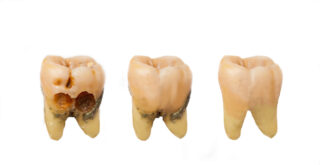
Dental amalgam has been used to restore decayed teeth for generations. Often called a “silver filling,” amalgam is actually a mixture of metals that includes silver, tin and copper, with elemental mercury making up approximately half of the material by weight. Its strength and durability made it a common choice for fillings, particularly in back teeth exposed to significant chewing forces.
Today, patients have more restorative choices, and many are taking a closer look at the materials placed in their mouths.
For patients who prefer a mercury-free approach, alternatives may include tooth-colored composite resins and ceramic restorations. Choosing a restorative material involves more than appearance. The location and size of the restoration, the amount of remaining healthy tooth structure, bite forces, individual sensitivities and the characteristics of the material itself can all influence the decision.
Existing amalgam fillings also deserve an individualized evaluation. When replacement is necessary because of decay, cracking, deterioration or another clinical concern, patients may wish to discuss how the old material will be removed. Some biologically oriented dental practices use additional precautions designed to limit exposure to particles and vapor during the procedure. These may include isolation of the tooth, high-volume suction, air filtration, sectioning the restoration into larger pieces and other protective measures.
Modern dentistry offers more restorative options than ever before. Asking what a filling contains, why a particular material is being recommended, how an existing restoration is performing and what precautions will be used during replacement can help patients make informed decisions that fit both their dental needs and their personal approach to health.
Other Articles You May Find of Interest...
- Your One-Stop Solution For a Healthy Smile
- Understanding Amalgam Restorations
- Searching for a Kids Dentist Near Me? What Parents Should Look For
- Dentists Near Me: How to Find the Right One for Your Family
- Dental Orthodontics Near Me: How to Choose the Right Provider for Straighter Teeth
- Can You Eat Normally During Invisalign Treatment?
- Invisalign vs. Clear Aligners: What Adults Should Know Before Orthodontic Treatment