Your Health Magazine Contributor
4201 Northview Drive
Suite 102
Bowie, MD 20716
More Legal and Health Articles
What Happens to Unpaid Medical Bills After a Car Accident?
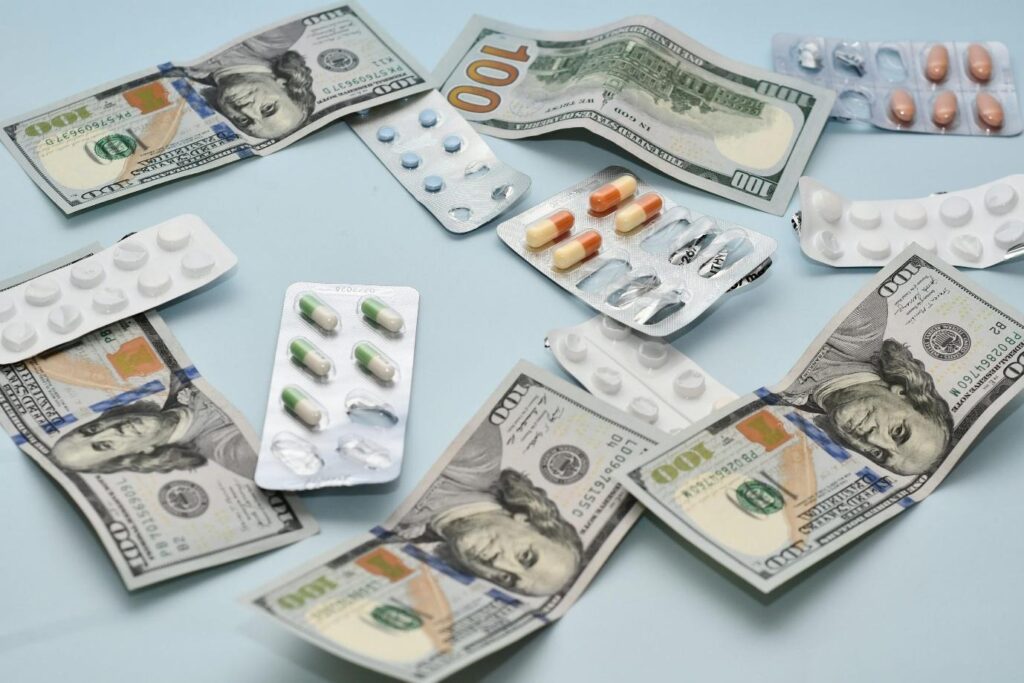
Unpaid medical bills after a car accident can become a financial burden while you recover from your injuries. If insurance does not cover all your treatment costs, you may remain responsible for the outstanding balance. These bills do not automatically disappear because another driver caused the accident or because you filed an insurance claim.
Understanding what happens to medical bills after a car accident can help you manage outstanding balances, avoid collection problems, and understand how a potential settlement may affect your financial obligations.
You May Remain Responsible for Unpaid Bills
If your medical expenses are not paid by insurance or another responsible party, healthcare providers may continue billing you. You may receive bills for emergency treatment, hospital stays, diagnostic tests, prescription medication, and rehabilitation.
Even when another driver caused the crash, their insurance company may take time to investigate the accident before accepting responsibility. During this period, your medical bills may become due.
Contact your healthcare providers if you cannot pay the full amount. They may offer payment plans, financial assistance, or temporary billing arrangements while your claim is being reviewed.
Insurance May Cover Some or All of Your Medical Expenses
Your available insurance coverage can determine how unpaid medical bills are handled.
Health insurance may pay for covered treatment, although deductibles, copayments, and other out-of-pocket costs may remain. Depending on your policy and state law, personal injury protection (PIP) or medical payments coverage under your auto insurance may also help cover eligible expenses.
If another driver caused the accident, their liability insurance may pay your medical expenses through a settlement. However, payment is not guaranteed until the insurer reviews the claim and agrees to the amount owed.
Review your insurance benefits carefully to understand which expenses are covered and which balances remain unpaid.
Unpaid Bills May Be Deducted From Your Settlement
If you receive compensation from an accident claim, some of that money may need to go toward outstanding medical expenses. Healthcare providers may have valid liens, and health insurers may have reimbursement rights for treatment they paid for.
For example, if your settlement includes compensation for medical expenses, you may need to pay providers who treated your injuries. The amount you ultimately keep depends on the settlement, outstanding balances, applicable reimbursement obligations, and other deductions.
Before accepting an offer, calculate your outstanding medical expenses and find out whether any liens or reimbursement claims apply. This helps you understand how much money may remain after those obligations are resolved.
Medical Providers May Send Unpaid Bills to Collections
If medical bills remain unpaid, a provider may send reminders, offer a payment arrangement, or refer the account to a collection agency. Collection activity can create additional stress while you are dealing with an injury claim.
Do not assume that filing an insurance claim automatically stops collection efforts. Contact the provider to explain that your accident claim is pending and ask about available options.
Review collection notices carefully and keep records of all payments, agreements, and insurance communications. If you believe a bill is incorrect, contact the provider or insurer to dispute the charge.
What You Should Do About Unpaid Medical Bills
Taking a few practical steps can help you manage medical debt after a car accident.
- Review every bill: Check that the services and charges are accurate.
- Contact your insurers: Ask which expenses are covered and whether additional benefits are available.
- Speak with healthcare providers: Request a payment plan or financial assistance if you cannot pay immediately.
- Keep documentation: Save bills, receipts, insurance statements, and claim correspondence.
- Review settlement deductions: Understand medical liens and reimbursement obligations before accepting compensation.
These steps can help you avoid confusion and make informed decisions about your outstanding expenses.
Key Takeaways
- You may remain responsible for medical bills that insurance does not cover.
- Auto insurance or health insurance may pay eligible expenses, depending on your coverage.
- A settlement may need to cover unpaid bills, medical liens, or reimbursement claims.
- Unpaid balances may be referred to collections if you do not make arrangements.
- Reviewing your bills and insurance coverage early can help you manage medical debt after a car accident.
Other Articles You May Find of Interest...
- Can a Hospital Be Liable for Allowing an Underqualified Doctor to Perform a Procedure?
- Why Your Health Should Come First After a Car Accident in Aurora, Colorado
- A Practical Guide to the Decisions That Matter Most in the Two Days Following a Car Crash
- How Personal Injury Claims Address the Burden of Rebuilding Daily Life
- What Happens to Unpaid Medical Bills After a Car Accident?
- Can an IV Complication Cause Complex Regional Pain Syndrome?
- 5 Complications That May Follow Serious Fractures After a Crash