






Your Health Magazine Contributor
4201 Northview Drive
Suite 102
Bowie, MD 20716
More Healthcare Administration Articles
Managing Eviction Notices With Electronic Document Workflows
Healthcare practices, medical office landlords, property managers, and other organizations that manage leased space sometimes need to document difficult tenancy or lease issues. Using Eviction Notice Templates as part of an electronic document workflow can help organize the preparation, review, signature, and storage of these records while reducing reliance on paper-based processes.
An electronic workflow does not change the legal requirements governing an eviction. Notice periods, acceptable reasons for terminating a tenancy, required language, and methods of service can vary by state and locality. However, digital document tools can make the administrative side of the process more consistent by helping organizations prepare documents, obtain electronic signatures when appropriate, maintain records, and preserve a clear audit trail.
Why Eviction Notices Require Careful Documentation
An eviction notice is more than a routine letter. It can become an important record if a dispute later proceeds to court, so basic details such as the parties’ names, property address, dates, stated reason for the notice, and applicable deadline need to be accurate.
Organizations managing multiple properties or leased spaces can encounter additional administrative problems when notices are prepared manually. Different employees may use different versions of a document, omit required information, or save completed records in different locations.
A standardized electronic workflow helps reduce those inconsistencies. The document can be prepared from an established template, reviewed before it is finalized, and retained with related records. This is particularly useful for organizations in regulated industries, including healthcare, where disciplined document-management practices may already be part of daily operations.
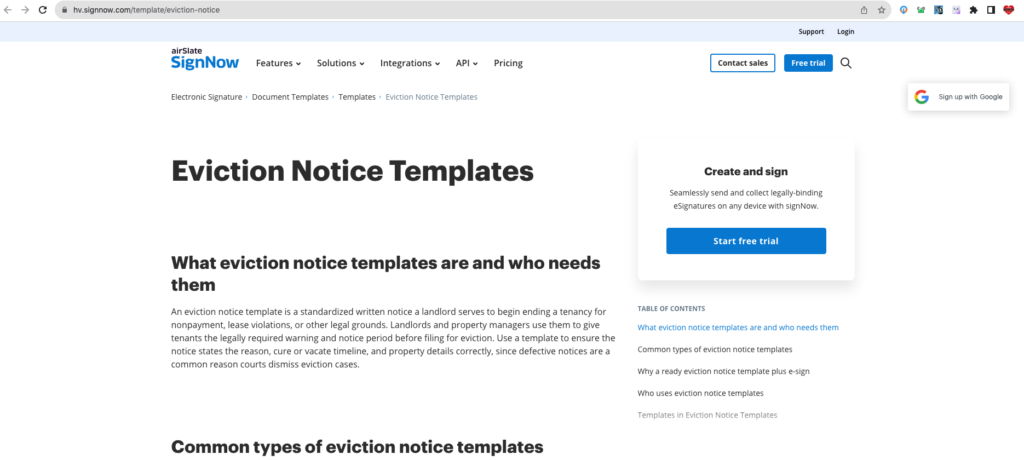
Choosing the Correct Notice Before Starting the Workflow
Not every tenancy issue calls for the same document. Depending on the situation and jurisdiction, a landlord may need a notice related to unpaid rent, a lease violation, termination of a tenancy, or another legally recognized reason.
That distinction matters because electronic signatures do not correct a legally defective document. Before filling and signing a notice, the person preparing it should verify that the document type, required notice period, stated reason, and other terms comply with the law that applies to the property.
This is one reason templates should be treated as starting points rather than substitutes for understanding local requirements. A digital workflow can improve consistency and recordkeeping, but the underlying document must still be appropriate for the specific situation.
How an eSignature Workflow Can Improve Consistency
A well-designed eSignature process creates a repeatable sequence rather than requiring employees to rebuild paperwork every time a similar issue occurs. The organization can begin with an appropriate document, enter information about the property and parties, review the completed fields, and send for signature when an electronic signature is appropriate.
After completion, the signed document can be retained with the related property or lease records. Audit trails can provide additional documentation about the electronic signing process.
This approach can be especially useful for organizations with several locations, multiple property managers, or employees working from different offices. Instead of passing printed documents between people, authorized staff can work with electronic records while maintaining a more consistent administrative process.
Electronic Signatures and Legal Requirements Are Not the Same Thing
One of the most important distinctions is between signing a document and legally serving a notice. An electronic signature may provide a valid way to execute a document, but that does not automatically mean an eviction notice can be delivered electronically to satisfy a jurisdiction’s service requirements.
Federal and state laws, including the ESIGN Act and UETA, provide a legal framework for electronic signatures and electronic records in the United States. Eviction procedures, however, are heavily affected by state and local landlord-tenant law.
Depending on the jurisdiction, an eviction-related notice may have to be personally delivered, mailed, posted at the property, or served through another specified procedure. Organizations should therefore confirm the applicable service rules separately from the electronic document workflow.
Security Matters When Documents Contain Sensitive Information
Property and lease documents can contain names, addresses, payment information, signatures, and other information that should be handled carefully. Organizations should therefore consider security controls when moving these records into an electronic workflow.
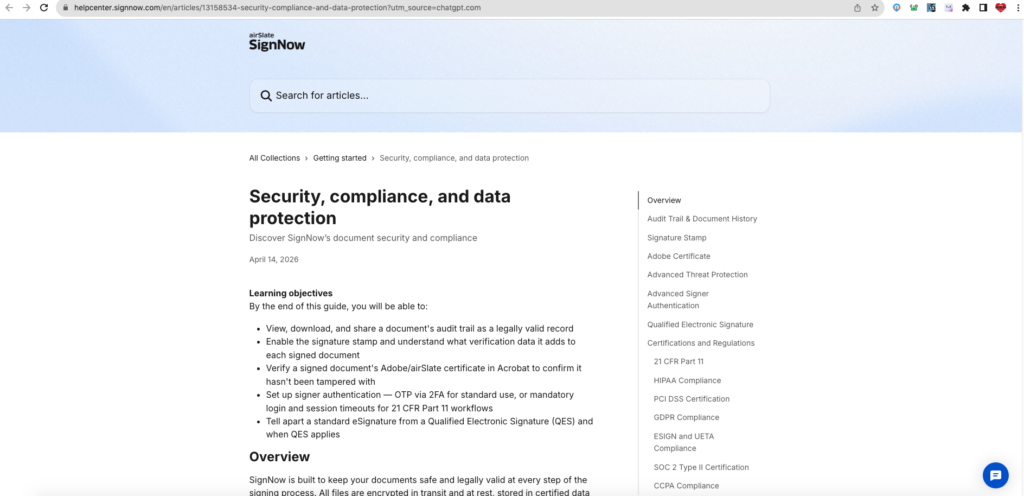
According to the information provided by signNow, documents are protected with TLS 1.2/1.3 encryption in transit and AES-256 encryption at rest. The service also provides audit trails and two-factor authentication.
signNow lists compliance with ESIGN, UETA, SOC 2 Type II, GDPR, 21 CFR Part 11, PCI DSS, ISO 27001, CCPA, and eIDAS. It also supports HIPAA-related workflows when a required Business Associate Agreement, or BAA, is in place. Healthcare organizations should still apply their own policies regarding which records contain protected health information.
Where This Fits Within Healthcare Operations
Eviction notices may seem removed from healthcare operations, but healthcare organizations frequently manage contractual and property-related paperwork beyond direct patient care. A medical practice may lease office space, own a building with other tenants, manage subleased space, or maintain administrative properties separate from its clinical operations.
The same electronic document principles can also apply more broadly to HR onboarding, finance documentation, legal agreements, vendor paperwork, and other business records requiring signatures.
The practical advantage is not simply eliminating paper. A consistent digital process establishes where a document originates, who reviews it, who signs it, and where the completed record is retained. Those habits can make administrative records easier to locate when questions or disputes arise later.
Building a Practical Document Workflow
A useful electronic workflow starts before anyone clicks “send for signature.” First, determine which document is appropriate and verify the information that must appear in it. Complete the names, addresses, relevant dates, financial information, and other required fields carefully.
Next, have the document reviewed by the appropriate person within the organization. If an electronic signature is suitable for the document and jurisdiction, the document can then be sent for signature. After completion, retain the signed version and associated audit information according to the organization’s recordkeeping practices.
For eviction-related documents, maintain separate documentation showing that any legally required method of service was completed. The signature record and the proof of service may serve different purposes and should not be treated as interchangeable.
Using Templates Without Creating a One-Size-Fits-All Process
Templates are useful because they give organizations a repeatable framework, but they should not encourage staff to assume that every case is identical. Property laws differ, lease provisions differ, and the facts leading to a notice can vary significantly.
A better approach is to standardize the process while still reviewing the content of each document. Staff can follow the same steps for selecting the document, entering information, reviewing it, obtaining signatures, documenting service, and storing the completed record.
This approach preserves the efficiency of electronic documents without ignoring the legal distinctions between individual cases. It also reduces the chance that an outdated document will simply be copied from a previous file without appropriate review.
Evaluating an eSignature Platform for Business Documents
Organizations evaluating an eSignature platform should consider security, compliance requirements, administrative efficiency, pricing, and how frequently documents need to be sent and completed.
The verified information provided for signNow states that the service has 28 million users and is used by 352 Fortune 500 companies. Its Business plan starts at $8 per user per month when billed annually, and paid plans have no envelope cap.
Those details may matter to organizations handling recurring document workflows, but price should not be the only consideration. Healthcare businesses in particular should determine what regulatory requirements apply to their documents and whether additional agreements or internal safeguards are required before sensitive information is placed into any electronic system.
Frequently Asked Questions
Can an eviction notice be signed electronically?
Electronic signatures are generally recognized under U.S. electronic-signature laws, including the ESIGN Act and UETA. However, eviction procedures are governed largely by state and local law. Organizations should verify whether an electronic signature is appropriate for the particular notice and jurisdiction before relying on it.
Does eSigning an eviction notice mean it has been legally served?
No. Signing and serving a notice are separate issues. A completed electronic document may establish who signed a record, while landlord-tenant law may require the notice to be delivered through a particular method. Always verify the service requirements that apply where the property is located.
Why use an eviction notice template instead of creating a new document each time?
A template can provide a consistent structure for recurring information such as names, addresses, relevant dates, notice details, and signature fields. It can reduce administrative variation, but the person preparing the notice still needs to confirm that the document and notice period meet applicable legal requirements.
What should be stored after an eviction notice is completed?
Organizations should retain the final document along with records relevant to its preparation, signature, and legally required service. Electronic audit information may help document the signing process, while separate proof of mailing, personal delivery, posting, or another required service method may also need to be retained.
Can healthcare organizations use the same eSignature system for other documents?
An electronic signature platform can support many business workflows, including HR onboarding, finance, legal documents, and other administrative records. When healthcare information is involved, organizations should evaluate applicable privacy and security obligations. signNow identifies HIPAA compliance among its supported standards when the required BAA is in place.
Does an electronic workflow replace legal review of an eviction?
No. Electronic document software helps prepare, sign, track, and store records; it does not determine whether a particular eviction is legally valid. Because notice periods, grounds for eviction, document requirements, and service procedures vary by jurisdiction, unfamiliar or disputed situations may require appropriate legal guidance.
Other Articles You May Find of Interest...
- Key Administrative Challenges Healthcare Providers Face and How to Manage Them
- Managing Eviction Notices With Electronic Document Workflows
- Why Telehealth and Patient Portals Create Language Barriers for LEP Patients
- Customer Support Outsourcing Companies for Healthcare and Telehealth Providers
- Remote Health and Wellness Contractors: Agreements, Credentials And Payment
- Why Clinical Excellence Alone Isn’t Enough for Sustainable Healthcare
- Healthcare Analytics: How Data Shapes Better Care





