Your Health Magazine Contributor
4201 Northview Drive
Suite 102
Bowie, MD 20716
More Legal and Health Articles
What Goes Into a Dog Bite Injury Compensation Claim?
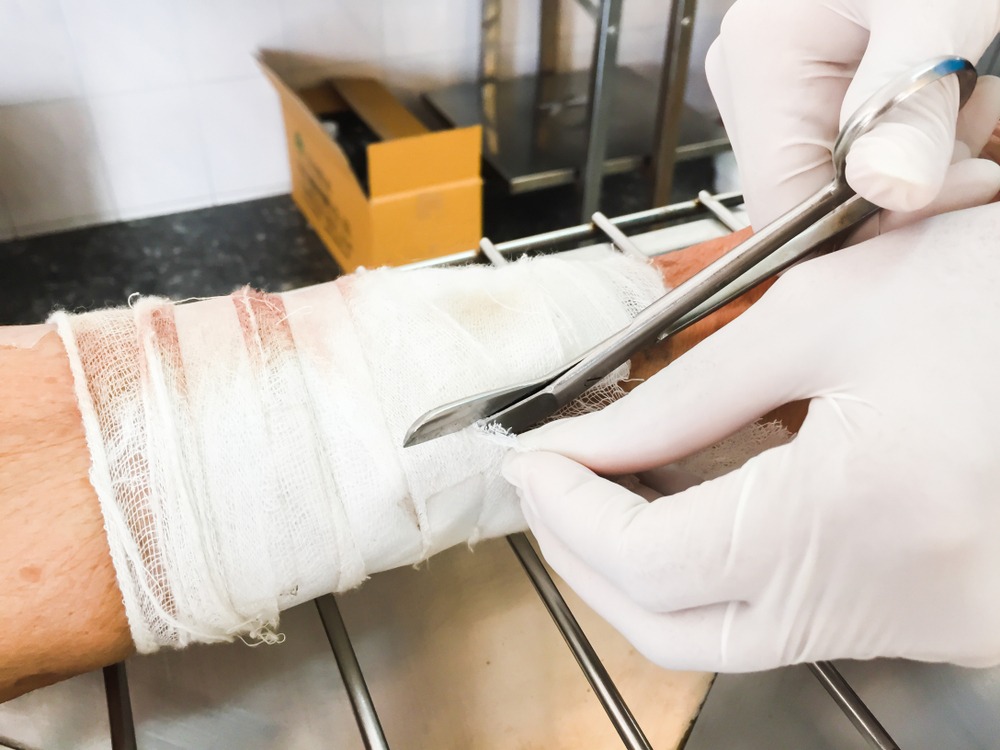
A compensation claim is built on details. It looks at the circumstances of the dog bite, the person responsible for the animal, the injuries that followed, and the losses connected to those injuries. None of these details stands alone. Medical records can establish the extent of an injury, while photographs, witness accounts, and financial records can add important facts to the case. Dog bite injury compensation is generally tied to the evidence available and the specific facts surrounding the incident.
Knowing what information belongs in a claim can make the process easier to understand from the start.
What Happened and Who Was Responsible?
Every claim starts with the incident itself. The details surrounding the dog bite can help establish how the injury occurred and who owned or controlled the dog.
Important facts may include the location of the attack, the date and time, what the dog was doing, and what happened just before the bite. The identity of the dog owner can also matter, along with information about whether the person had permission to be on the property.
Witnesses can provide another view of what took place. Their statements may help support details that are difficult to prove later. Photographs, incident reports, and other records can also preserve information about the event.
Evidence of the Dog Bite Injury
The injury is another major part of a compensation claim. Medical records can show what happened after the bite and what treatment was provided.
Photos of the wound can also help document its appearance and changes over time. Records may include emergency care, follow-up visits, treatment notes, and other medical documents related to the injury.
The location and seriousness of the injury can also matter. Some dog bites may cause visible scarring or affect movement. Others may require a longer period of care. Keeping clear records gives a claim a stronger factual foundation and helps show how the injury developed after the incident.
Medical Costs and Other Financial Losses
A dog bite can bring costs that are easy to overlook. Medical bills are often the most obvious expense, but they may not be the only financial loss connected to an injury.
A claim may include records related to:
- Emergency room or urgent care costs
- Follow-up medical treatment
- Prescription expenses
- Other reasonable injury-related expenses
- Wages lost because of time away from work
- Loss of future earning ability in serious cases
Receipts, bills, pay records, and other documents can help show these losses. Future expenses may also need to be considered if the injury requires continuing care. The amount involved depends on the facts of each situation rather than a fixed number that applies to every dog bite.
Pain, Scarring, and the Personal Impact
Money is only one part of what a serious dog bite can take from someone. The physical effects may continue after the wound has healed, particularly if the injury leaves noticeable scars or lasting discomfort.
A claim can also consider the effect an injury has on everyday life. Someone may have difficulty carrying out normal activities or may experience emotional distress after the attack. The nature of these effects can vary widely from person to person.
Medical records and other evidence can help document the physical side of the injury. Personal records may also help show how the injury affected normal routines. The overall circumstances matter when these losses are considered.
The Evidence Behind the Claim
A claim is built from records that connect the incident to the injury and the losses that followed. Keeping these documents together can make the facts easier to review.
Useful records may include:
- Medical records and bills
- Photographs of the injuries
- Witness names and contact details
- Animal control or incident reports
- Employment and wage records
- Insurance information
- Relevant messages or other communications
No single document tells the entire story. The value comes from how the available evidence fits together and supports the facts surrounding the claim.
Bringing the Pieces Together
A dog bite compensation claim brings several parts into one picture. The circumstances of the incident help establish what happened. Evidence about ownership or control may help address responsibility. Medical records show the injury, while bills and employment records can document financial losses. Other evidence may show the broader effect of the injury.
The legal rules that apply can differ based on the circumstances and the state involved. A lawyer can review the available information and provide professional analysis based on the specific facts.
A Claim Built on the Details
A dog bite injury compensation claim is not simply a request for money after an injury. It is supported by facts, records, medical evidence, and information about the losses connected to the incident. Each part can help create a clearer record of what happened and what followed.
For someone considering a claim, keeping these details organized can make the information easier for a legal professional to review.
Other Articles You May Find of Interest...
- 8 Warning Signs That Medical Care May Have Gone Wrong
- Who Can Be Held Responsible When an Explosion Injures Workers or Bystanders?
- How a Car Crash Attorney Counters Disputed Liability With Proof
- Legal Options Available to Victims of Serious Brain Injuries
- What Goes Into a Dog Bite Injury Compensation Claim?
- When a Catastrophic Injury Changes Everything: Legal Options in Santa Barbara, CA
- What Separates a Catastrophic Injury Attorney From a General Injury Lawyer?