






More Allergy, Asthma & Infectious Disease Articles
Staph and Eczema: Why Infected Skin Needs Prompt Care
By Your Health Magazine Health Information Team
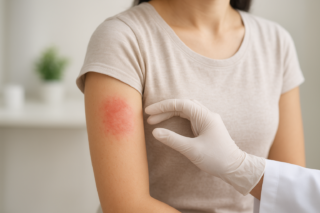
An eczema patch that was merely dry and itchy yesterday may look wet, crusted, or unusually painful today. Is this simply a stronger flare, or has an infection developed? Because the symptoms can overlap, it is not always easy to tell. However, recognizing possible infection and seeking prompt care can help prevent worsening skin damage and the spread of bacteria.
Understanding the Staph Bacteria Eczema Connection
Eczema, particularly atopic dermatitis, weakens the skin barrier. Healthy skin helps keep moisture in and potentially harmful organisms out. With eczema, dryness, inflammation, cracks, and repeated scratching create openings through which bacteria can enter.
Staphylococcus aureus, commonly called staph, is frequently found on human skin or in the nose without causing illness. This harmless presence is called colonization. People with eczema are more likely to carry larger amounts of staph on their skin, especially in inflamed areas. Colonization does not automatically mean that an infection is present or that antibiotics are needed.
Problems arise when staph bacteria enter broken skin and multiply. The resulting infection may intensify inflammation, interfere with healing, and make an eczema flare more difficult to control. Scratching can compound the problem by creating additional breaks in the skin and transferring bacteria to other areas.
For a broader overview of symptoms, triggers, and management, visit this MedlinePlus guide to eczema.
Signs That Eczema May Be Infected
Redness and oozing can occur during an eczema flare even without infection, so no single symptom provides a definite answer. A noticeable change from the skin’s usual pattern is often the most important clue.
Possible signs of bacterial infection include:
- Yellow, golden, or honey-colored crusts
- Pus-filled bumps or blisters
- New or increasing drainage
- Skin that becomes more painful, tender, swollen, or warm
- Redness or discoloration that spreads beyond the usual eczema patch
- A sudden worsening that does not respond to the usual eczema treatment
- Fever, fatigue, swollen lymph nodes, or feeling generally unwell
Inflammation may not always appear bright red, particularly on brown or Black skin. It may look purple, gray, dark brown, or simply darker than the surrounding skin. Warmth, swelling, tenderness, crusting, and rapid change can therefore be especially useful signs to notice.
Not every wet or weeping rash is infected. Severe inflammation can also cause clear fluid to leak from the skin. In addition, viruses and fungi can infect eczema. Painful clusters of blisters or small, punched-out sores—especially when accompanied by fever or illness—may signal eczema herpeticum, a potentially serious herpes infection that requires urgent medical evaluation.
Why Prompt Evaluation Matters
A localized staph infection may begin in a small area but can spread across the skin or into deeper tissue. Cellulitis, abscesses, and, less commonly, infection entering the bloodstream are possible complications. Babies, people with widespread eczema, and those with weakened immune systems may be particularly vulnerable to complications.
Infection also disrupts everyday eczema management. Increased pain and itching may interfere with sleep, work, school, exercise, and bathing. Children may scratch more at night, while adults with hand eczema may find routine activities painful. Treating an infection early may help interrupt the cycle of inflammation, scratching, skin injury, and further bacterial growth.
How Clinicians Diagnose and Treat Infected Eczema
A primary care clinician, pediatrician, or dermatologist can examine the skin and assess whether the changes are more consistent with an eczema flare, bacterial infection, or another condition. A skin swab may be considered when infection is recurrent, widespread, severe, or not improving as expected. Laboratory testing can also help identify antibiotic-resistant bacteria such as methicillin-resistant Staphylococcus aureus, or MRSA.
Treatment depends on the type, location, and extent of infection. A clinician may prescribe an antibiotic applied to a limited area or an oral antibiotic for a more extensive infection. A pocket of pus may require professional drainage. People should not squeeze, puncture, or attempt to drain an infected area themselves, because this can spread bacteria or worsen tissue injury.
Antibiotics treat bacterial infection, but they do not correct the underlying eczema inflammation or damaged skin barrier. A healthcare professional may therefore recommend continuing or adjusting moisturizers and prescribed anti-inflammatory treatment. Follow the clinician’s instructions rather than stopping or adding eczema medicines independently.
Routine antibiotics are not recommended merely because staph is present on eczema-prone skin. Unnecessary treatment can cause side effects and contribute to antibiotic resistance. The importance of identifying the organism and selecting appropriate therapy also applies to less familiar bacterial illnesses, as discussed in this article about the challenges of Providencia stuartii infections and treatments.
Protecting Damaged Skin
Good eczema control supports the skin’s natural defenses. Helpful habits include applying a fragrance-free moisturizer regularly, bathing with lukewarm rather than hot water, using gentle cleansers, and following the prescribed eczema treatment plan. Keeping fingernails short may reduce injury from scratching.
If an area appears infected, avoid picking at crusts or popping bumps. Wash hands before and after touching the rash, cover draining areas with a clean, dry dressing when practical, and do not share towels, razors, clothing, or other items that contact the skin. Seek guidance before using antiseptics, antibiotic ointments, bleach baths, or wet wraps. These approaches are not appropriate for every person or every stage of infection and may irritate skin or delay proper treatment when used incorrectly.
When to Seek Care
Contact a primary care clinician, pediatrician, or dermatologist promptly if eczema develops golden crusts, pus, increasing drainage, warmth, swelling, tenderness, or rapidly worsening inflammation. Evaluation is also appropriate when a familiar treatment stops helping or infections repeatedly return.
Seek urgent medical care for fever with a spreading rash, rapidly expanding redness or discoloration, severe pain, red streaks, extensive blistering, swelling near the eyes, unusual sleepiness, confusion, or other signs of serious illness. Babies, immunocompromised individuals, and anyone with painful clustered blisters or punched-out sores should be assessed without delay.
Staph commonly lives on skin without causing harm, but eczema gives it more opportunities to enter through cracks and scratches. Paying attention to sudden changes—and obtaining timely professional care when infection is suspected—can protect the skin while keeping long-term eczema treatment on track.
Other Articles You May Find of Interest...
- Staph and Eczema: Why Infected Skin Needs Prompt Care
- Reactive Hepatitis B Surface Antibody: What the Result Means
- Is ‘Cannibal Rash’ a Real Medical Diagnosis?
- Do Allergies Cause a Fever? What Your Temperature Can Reveal
- Which Doctor Treats Herpes Simplex?
- Low-Histamine Foods for a Calmer Gut
- Dormant Hepatitis B: Quiet, but Not Gone





