






More Weight Control, Nutrition & Exercise Articles
The Drumstick Vegetable Plant: Nutrition and Uses of Moringa
By Your Health Magazine Health Information Team
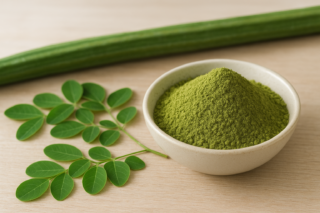
You may have seen long green “drumsticks” floating in a bowl of curry or noticed moringa powder beside other supplements and wondered whether they come from the same plant. They do. The drumstick vegetable plant, known scientifically as Moringa oleifera, produces edible leaves and slender seed pods. Both can contribute valuable nutrients to meals, but claims that moringa can cure disease go well beyond what current human research supports.
What Is the Drumstick Vegetable Plant?
Moringa is a fast-growing tree suited to warm tropical and subtropical climates. It is native to South Asia and is now cultivated in parts of Africa, Latin America, Southeast Asia, and other warm regions. The tree is also called the drumstick tree because its immature pods are long, narrow, and shaped somewhat like drumsticks.
Several parts of the plant have been used in traditional cooking, but the young pods and leaves are the most familiar foods. The pods are commonly called drumsticks, while the small green leaves may be cooked like spinach or dried and ground into powder. Flowers and seeds are also eaten in some cultures, although their preparation varies.
Calling the pods a vegetable describes how they are cooked and served. Botanically, a pod that develops from a flower and contains seeds is a fruit. Similar culinary and botanical differences apply to many familiar foods, as explained in this article about whether an olive is a fruit or vegetable.
Moringa Nutrition: Leaves and Pods Are Different
The nutritional value of moringa depends on the plant part, growing conditions, maturity, and processing method. Fresh leaves, dried leaf powder, and young pods should not be treated as nutritionally identical foods.
Moringa leaves
Fresh moringa leaves contain protein and fiber along with beta-carotene, which the body can convert to vitamin A. They also provide vitamin C and minerals such as calcium, potassium, and iron. The iron in moringa is non-heme iron, the form found in plants, and is generally absorbed less efficiently than iron from animal foods.
Dried leaf powder is more concentrated by weight because much of the water has been removed. However, people typically consume much smaller portions of powder than fresh vegetables. Drying and storage may also reduce some heat- and oxygen-sensitive nutrients, so comparisons based on equal weights can be misleading.
Young drumstick pods
The immature pods contain water, carbohydrates, and dietary fiber and are generally lower in protein and several micronutrients than an equal weight of leaves. They can still add vitamin C, potassium, and other nutrients to a varied diet. Their soft interior pulp and developing seeds are eaten, while the mature outer casing may become too tough and fibrous to swallow.
Does Moringa Have Proven Health Benefits?
Moringa contains naturally occurring plant compounds, including polyphenols, carotenoids, glucosinolates, and isothiocyanates. These compounds have attracted scientific interest because they demonstrate antioxidant and other biological activity in laboratory research.
That does not mean eating moringa has been proven to prevent or treat a particular disease. Many encouraging claims are based on cell or animal experiments, which cannot establish that the same effects will occur in people.
Small human studies have examined moringa in relation to blood glucose, blood pressure, cholesterol, and nutritional status. Some findings suggest possible effects, but study sizes, preparations, doses, and participant groups have varied considerably. Reviews of the evidence continue to describe the results as preliminary or inconsistent. Moringa should not replace prescribed medication, medical care, or an eating plan recommended for diabetes, high blood pressure, high cholesterol, or another condition.
Its clearest everyday benefit is more straightforward: moringa leaves and pods can expand vegetable variety and contribute nutrients as part of an overall balanced diet.
How to Prepare and Use Moringa
Fresh moringa pods have a mild flavor that works well with lentils, tomatoes, coconut, and savory spices. The leaves have a green, earthy taste with mild bitterness that becomes less noticeable when combined with other ingredients.
-
Cook pods in soups or stews: Cut young pods into short sections and simmer until tender. Diners may split the casing or scrape out the soft pulp and seeds rather than eating a tough outer shell.
-
Add leaves to cooked dishes: Remove coarse stems, wash the leaves thoroughly, and add them to soups, bean dishes, curries, or scrambled eggs near the end of cooking.
-
Use leaves like other greens: Moringa can be sautéed with garlic and other vegetables, although older leaves may taste more bitter.
-
Use powder as a food ingredient: A small amount may be stirred into soup, oatmeal, yogurt, or a smoothie. Its strong flavor can become overpowering if too much is added.
Wash fresh leaves and pods under running water before cutting or cooking. Choose pods that are green, firm, and relatively young; very large or woody pods may be difficult to eat. Store fresh moringa in the refrigerator and discard produce that is slimy, moldy, or unusually discolored.
Food Versus Moringa Supplements
Eating cooked moringa as a vegetable is different from taking a concentrated extract, capsule, or medicinal preparation. Supplements may contain amounts and combinations of plant compounds that are not normally consumed in a meal.
Dietary supplements are not evaluated before sale in the same way as prescription medications. Product strength, purity, and contamination risks can vary. Be cautious with labels promising rapid weight loss, detoxification, cancer treatment, blood sugar control, or other dramatic medical results. Readers can explore reliable general health information through MedlinePlus health topics.
Who Should Be Cautious?
Research has not established the safety of every moringa plant part or concentrated preparation. Roots and bark are not interchangeable with the commonly eaten leaves and pods and should not be used casually as home remedies.
Talk with a physician or pharmacist before using a moringa supplement if you:
-
Take prescription or over-the-counter medicines, particularly drugs for diabetes or blood pressure
-
Are pregnant, trying to become pregnant, or breastfeeding
-
Have liver or kidney disease
-
Are preparing for surgery
-
Plan to give a supplement to a child or older adult
Possible reactions may include digestive discomfort or an allergic response. Interactions between moringa extracts and medications remain insufficiently studied, which is why sharing all supplement use with healthcare professionals is important.
When to Seek Care
Stop using a moringa product and seek urgent medical help for trouble breathing, facial or throat swelling, widespread hives, fainting, or another sign of a severe allergic reaction. Contact a healthcare professional if moringa use is followed by persistent vomiting, diarrhea, abdominal pain, dizziness, weakness, unusual sweating, confusion, or symptoms that could reflect low blood sugar or low blood pressure.
A registered dietitian can help determine how moringa fits into a balanced eating pattern. A pharmacist can review possible medication interactions, while a primary care physician can evaluate symptoms or discuss whether a supplement is appropriate. For most people, treating the drumstick vegetable plant as a nutritious food rather than a miracle remedy is the safest and most evidence-based approach.
Other Articles You May Find of Interest...
- The Drumstick Vegetable Plant: Nutrition and Uses of Moringa
- How Telehealth Is Making Medical Weight Management More Accessible
- Liposuction vs Weight Loss: Understanding the Difference
- Does Dry Brushing Do Anything for Weight Loss?
- Physical and Mental Wellness Benefits of Scuba Diving
- How Many Electrolytes You Need in a Day
- The Fitness Benefits of Adding E Bike Riding to Your Daily Routine




