More Beauty Skin Care & Gorgeous Smiles Articles
Choosing The Right Plastic Surgeon For Breast Augmentation Surgery In London

Making the decision to undergo a cosmetic procedure is a deeply personal journey that requires careful research and planning. If you are considering breast surgery, finding a highly qualified plastic surgeon in London represents the most critical step in your journey. The UK capital hosts some of the world’s finest medical professionals, but the sheer volume of choices can feel overwhelming. Selecting the right specialist ensures not only the aesthetic outcome you desire but also your safety throughout the process. By focusing on specific qualifications, communication styles, and clinical standards, you can confidently choose a practitioner who aligns with your personal goals and prioritises your long-term well-being.
Verifying Qualifications and Professional Memberships
When searching for a specialist to perform breast augmentation surgery in London, your initial step must involve verifying their professional credentials. In the United Kingdom, any doctor practising surgery must be registered with the General Medical Council (GMC) and hold a specialist licence. Specifically, you should look for a practitioner listed on the GMC Specialist Register for Plastic Surgery. This designation proves they have completed robust, formal training in reconstructive and cosmetic procedures.
Key Professional Associations
Beyond basic GMC registration, premier specialists usually hold full membership in elite professional bodies. Look for affiliations with the British Association of Aesthetic Plastic Surgeons (BAAPS) or the British Association of Plastic, Reconstructive and Aesthetic Surgeons (BAPRAS). These organisations require members to adhere to strict ethical codes and continuous professional development. Choosing a certified plastic surgeon in London who actively participates in these associations guarantees they remain updated on the latest surgical techniques and safety protocols. Avoid practitioners who lack these specific credentials, regardless of how appealing their pricing might seem. Your health and safety should always take precedence over discounted rates, and verified credentials offer the peace of mind necessary before entering the operating theatre.
The Importance of a Personal Consultation

A face-to-face consultation serves as an invaluable opportunity to assess your compatibility with a medical professional. This meeting allows you to discuss your aesthetic goals, anatomical considerations, and any anxieties you might have regarding the procedure. A reputable specialist will never rush this process or pressure you into making an immediate decision. Instead, they will listen to your expectations and provide realistic feedback on what breast augmentation surgery in London can achieve for your unique frame.
Assessing Communication and Comfort
During this discussion, pay close attention to how the specialist explains the procedure. They should clearly outline the different types of implants, placement options, and potential risks without using overly complex medical jargon. Ask direct questions about their experience with this specific operation, including how many times they perform it each month. A trustworthy practitioner will openly discuss potential complications, such as capsular contracture or implant rupture, and explain how they manage these issues. This transparency builds trust and helps you make an informed choice. If a practitioner dismisses your concerns or promises guaranteed perfection, treat this as a warning sign and seek a second opinion elsewhere.
Evaluating Before-and-After Portfolios
Reviewing a practitioner’s previous work provides concrete evidence of their surgical skill and aesthetic sensibility. Every reputable clinic maintains a comprehensive portfolio of before-and-after photographs for patients who have undergone breast augmentation surgery in London. When examining these images, look for patients who share a similar height, weight, and breast shape to your own pre-operative starting point. This comparison gives you a realistic expectation of what the surgeon can achieve for your body type.
Analysing Aesthetic Consistency
Look closely at the symmetry, scar placement, and natural contouring in the photographs. High-quality outcomes display balanced proportions and subtle scar integration along the natural creases of the body. Be cautious of portfolios that only show a limited number of cases or use inconsistent lighting and angles, as this can obscure the actual results. A skilled specialist takes pride in showcasing a diverse range of successful outcomes across various body shapes. If possible, ask to see long-term results, showing how the implants settle over twelve months or more. This long-term evidence demonstrates the surgeon’s ability to deliver enduring, stable results that age gracefully with the patient.
Examining Hospital Facilities and Aftercare Support
The environment where your procedure takes place plays a significant role in your overall safety and recovery. A premier plastic surgeon in London will only operate in fully accredited private hospitals or state-of-the-art clinical facilities licensed by the Care Quality Commission (CQC). The CQC independently regulates health services in England, ensuring they meet rigorous standards of cleanliness, safety, and patient care. You should feel comfortable asking where your procedure will occur and verifying the facility’s current CQC rating.
Comprehensive Post-Operative Care
Recovery does not end when you leave the operating theatre. Robust aftercare is vital for preventing complications and ensuring optimal healing. Ask detailed questions about the clinic’s emergency contact protocols, post-operative follow-up schedule, and who will handle your care if complications arise. A dedicated surgical team provides scheduled check-ups during the first year and offers a direct line of communication for urgent queries. This continuous support ensures that any issues, such as minor infections or healing concerns, are addressed immediately by qualified clinical staff. Prioritising a clinic that offers comprehensive aftercare guarantees you are supported at every stage of your physical recovery.
Conclusion
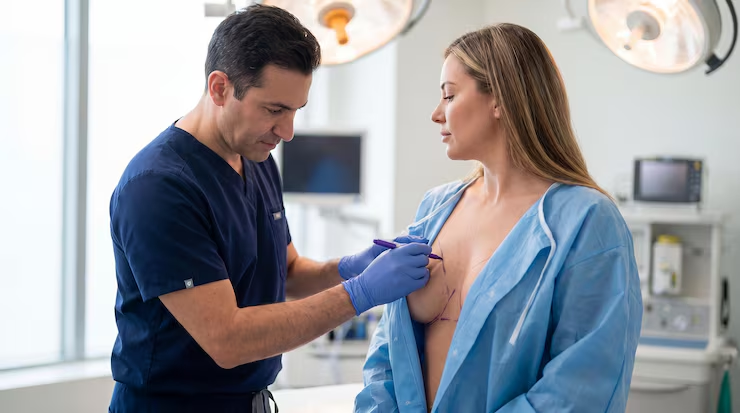
Selecting the right specialist for your cosmetic procedure requires careful research, but the effort ensures your safety and satisfaction. By verifying GMC specialist registration, seeking out BAAPS or BAPRAS members, and thoroughly evaluating before-and-after portfolios, you can make an informed decision. Remember that a successful outcome relies on open communication during your initial consultation and a robust aftercare plan provided by the clinic. Taking the time to find a qualified professional who operates in CQC-regulated facilities will give you confidence throughout your surgical journey. Prioritising these standards allows you to achieve your aesthetic goals safely, ensuring a positive experience from your first consultation to your final post-operative follow-up.
Other Articles You May Find of Interest...
- Understanding PDRN Therapy: The Science Behind Skin Barrier Repair and Tissue Regeneration
- Who Is a Suitable Candidate for Breast Augmentation?
- Peptides vs Retinoids for Sensitive Skin: Why Matrixyl 3000 and CoQ10 Are Changing the Conversation
- Whitehead or Pustule? How to Tell These Acne Bumps Apart
- What Patients Should Know About Skin Removal Surgery
- Breast Augmentation vs. Breast Lift: Understanding the Difference
- 5 Things New Moms Should Know About Tummy Tuck Timing