






More Healthcare Careers Articles
What to Know Before Studying Medicine
Choosing a path in healthcare represents a massive life commitment. Preparing early helps you navigate the academic challenges ahead with maximum clarity. You need a realistic view of the roadmap before jumping into the competitive arena.
Aspiring doctors must look past the immediate prestige of the white coat. Understanding the daily realities of the educational journey changes your expectations completely. True preparation involves analyzing costs, time commitments, and lifestyle changes.

The Heavy Academic Workload
Medical school requires intense mental focus from day one. Students spend countless hours reading thick textbooks and memorizing complex biological systems. The sheer volume of scientific information can feel completely overwhelming to new students.
Preparing for the journey requires managing your undergraduate finances properly. Many students look into undergraduate college loans to cover their initial degree expenses before facing medical school tuition. Planning the early costs helps prevent extreme financial stress down the road.
Undergraduate classrooms demand constant attention and high performance. Your early science GPA serves as a foundational metric for competitive admissions committees. Building strong study habits during your initial degrees provides a massive advantage later.
Understanding The Financial Investment
Tuition fees for advanced medical degrees represent a significant long-term burden. Aspiring physicians often rely on various borrowing options to fund their education. A popular financial guide pointed out that federal direct unsubsidized loans offer the best deal among graduate options since they have low fixed rates and do not require a co-signer.
Private financing options exist to bridge the financial gap if federal funding falls short. Credit scores and co-signers might become necessary when exploring private channels. Reviewing multiple lenders helps secure the lowest possible interest rates for your situation.
Living expenses add another layer of cost during your clinical training. Housing, food, and specialized medical equipment require careful budgeting throughout the lean years. Minimizing extra debts during school keeps your post-graduation career choices flexible.
Researching Top Medical Programs
Picking the right institution shapes your future residency opportunities. Candidates look closely at annual rankings to evaluate different medical programs. A healthcare industry news report highlighted that the 2025 list of top medical schools came out as part of a broader graduate school ranking publication.
Reputation matters to some applicants, but campus culture matters just as much. Some schools focus heavily on primary care, but others prioritize advanced laboratory research. Finding a school that matches your personal mission produces better long-term academic results.
Location influences your clinical rotations and your professional network. Training in a specific region often helps you secure a residency position in that same geographic area. You must research where you want to live before submitting applications.
Specialization and Career Paths
Medical fields offer a massive variety of professional trajectories. Doctors can choose to focus on surgery, pediatrics, or specialized fields like cancer treatment. A prominent media outlet noted that healthcare professionals participated in surveys to determine the top specialized hospitals globally.
Your choice of specialty dictates your daily routine for decades. Surgeons spend long hours standing in operating rooms under high pressure. Family doctors spend more time talking with patients and managing chronic conditions in a clinic.
Shadowing different specialists helps clarify your path early. Exposure to diverse medical departments opens your eyes to unexpected professional passions. Keep an open mind as you learn about various bodily systems.
Clinical Experience and Volunteering
High test scores are never enough to guarantee admission. Admissions committees want to see direct exposure to patient care before they accept your application. Gaining hands-on knowledge proves your dedication to the medical field.
Excellent ways to gain exposure include specific clinical paths. Candidates can explore diverse environments to strengthen their applications:
- Working as a certified nursing assistant
- Shadowing physicians in local clinics
- Volunteering at community health centers
Hands-on experiences teach you about the emotional demands of patient interaction. Seeing the realities of sickness prepares your mind for the heavy responsibilities of a physician. It validates your career choice before you sign a tuition agreement.
Developing Strong Communication Skills
Medical knowledge means very little if you cannot explain it to a patient. Doctors must translate complex scientific terms into plain words. Communication skills build trust and improve patient outcomes during difficult moments.
Empathy serves as the foundation for every successful patient relationship. Listening carefully to complaints helps you diagnose medical issues accurately. Patients feel respected when a physician gives them undivided attention during an appointment.
Teamwork remains another critical aspect of modern hospital care. Physicians work closely alongside nurses, therapists, and administrators every single day. Clear communication prevents dangerous medical errors in fast-paced clinical environments.
The Length of Training Time
Becoming a fully licensed doctor takes a decade or more. Four years of undergraduate study represent just the opening chapter of the educational process. Medical school adds another 4 years of intense classroom and clinical study.
Residency programs require an additional 3 to 7 years after graduation. This phase provides supervised hands-on training in your chosen specialty. Residents earn a modest salary but work grueling hours under heavy supervision.
Fellowships take even longer if you want to narrow your specialty further. A prolonged timeline means delaying traditional milestones like buying a house. You must accept the extended timeline before starting the journey.
Adapting to Changing Medical Technology
Modern medicine evolves rapidly with the introduction of new digital tools. Future doctors must feel comfortable learning new software and robotic tools. Keeping up with technological shifts forms a major part of your ongoing education.
Electronic health records require precise data entry from every practitioner. Hospitals utilize advanced scanning systems and artificial intelligence to assist with patient diagnostics. Learning technical systems happens alongside your regular medical training.
Telehealth platforms have changed how doctors interact with patients in remote areas. Virtual appointments require a different set of clinical presentation skills. Mastery of digital platforms makes you a more versatile candidate in the job market.
Maintaining Mental Well-Being
Burnout affects a high number of medical students and practicing physicians. The pressure to perform can damage your mental stability if left unchecked. Establishing healthy boundaries early protects your long-term passion for medicine.
Developing robust coping mechanisms keeps you grounded during stressful semesters. Effective self-care strategies include simple habits:
- Setting aside time for physical exercise
- Staying connected with family support systems
- Practicing regular mindfulness or meditation
Seeking professional help when overwhelmed represents a sign of true strength. Medical schools offer counseling resources specifically designed for struggling students. Taking care of your mind helps you take better care of your future patients.
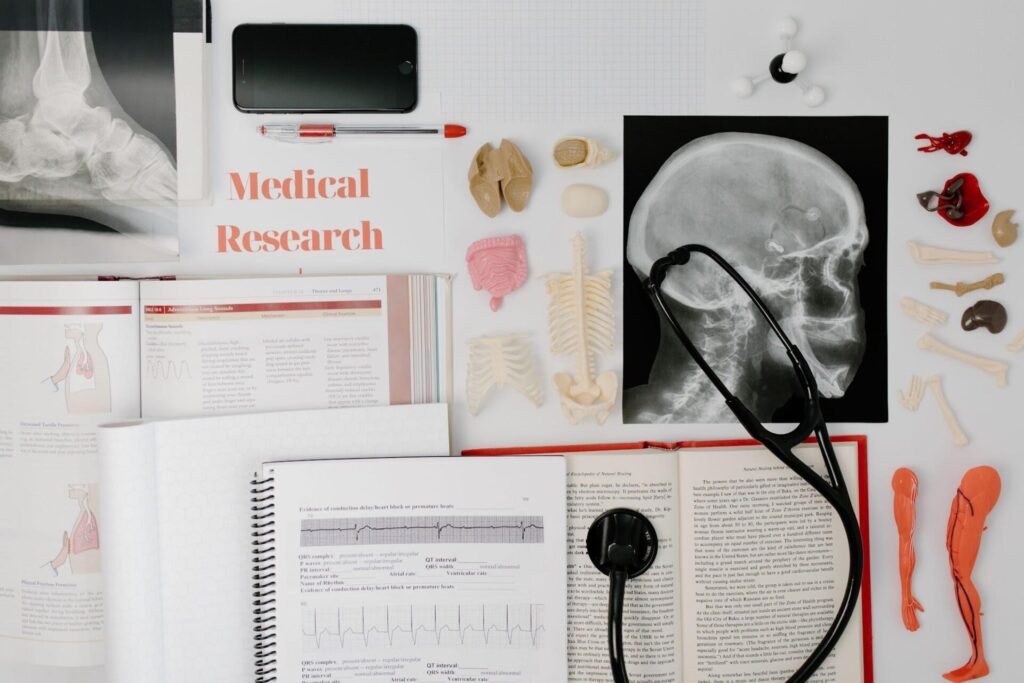
Entering the medical field demands sacrifice, resilience, and extensive preparation. Navigating the financial and academic hurdles requires a clear plan from the very beginning.
The journey rewards those who persevere with an incredibly fulfilling career. Understanding the realities now helps you build a solid foundation for your future practice.
Other Articles You May Find of Interest...
- Best ADAT Prep Courses for Dental Students and Dentists (2026)
- What Disqualifies Candidates in Healthcare Background Checks?
- What to Know Before Choosing an Accelerated Nursing Path
- What Is Pre-Nursing and Is It Worth It
- Beyond the Brochure: Choosing a Medical School With Your Future in Mind
- How Hybrid Nursing Education Is Rewriting the Route Into Healthcare
- RN Botox Certification Cost: What Nurses Really Pay to Build an Aesthetics Career





