More Beauty Skin Care & Gorgeous Smiles Articles
Unlock the Benefits of Olive Oil Moisturizer for Your Skin
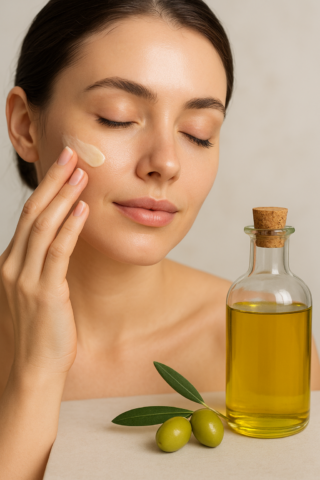
Imagine you’re standing in front of the bathroom mirror, searching for that perfect skincare solution that leaves your skin feeling luxurious and well-nourished. Well, look no further than the humble olive oil moisturizer. Rich in antioxidants and hydrating properties, this natural oil has been cherished for centuries for its ability to nourish and rejuvenate the skin.
Why Choose Olive Oil Moisturizer for Your Skin?
Olive oil, derived from the fruit of the olive tree, is not only a staple in Mediterranean diets but has also made its mark in skincare. As an effective moisturizer, olive oil is particularly praised for its ability to deliver deep hydration, especially for dry or sensitive skin types. Its natural compounds, which include vitamin E and polyphenols, work to protect the skin from environmental damage while promoting a smooth, supple texture.
The Role of Antioxidants
The antioxidants present in olive oil help to combat oxidative stress, a factor that can accelerate the aging process. These antioxidants support the skin by neutralizing free radicals—one of the culprits behind wrinkles and fine lines. Additionally, the natural glycerides in olive oil form a protective barrier on your skin, which helps to lock in moisture and sustain its elasticity.
When to Seek Care
While olive oil moisturizer offers significant benefits, some people may experience reactions such as redness or irritation. It’s crucial to stop using the product and consult a dermatologist if you notice such symptoms. Additionally, if you suffer from chronic skin conditions like eczema or rosacea, a healthcare provider can recommend suitable alternatives or complementary treatments to enhance skin health. Dermatologists or skin care professionals can provide a tailored approach to address your specific concerns.
Incorporating Olive Oil into Your Routine
Incorporating an olive oil moisturizer into your daily skincare routine can be a simple yet effective way to enhance skin health. Start by using a small amount on a clean face, either in the morning or before bed. Its lightweight texture makes it suitable for layering under makeup or as a restorative night treatment.
Practical Considerations for Use
Before integrating any new product into your skincare routine, it’s essential to conduct a patch test. Apply a small amount of olive oil on a discreet area of your skin, such as your arm, and watch for any adverse reactions over 24 hours. This simple step can prevent potential allergic reactions or irritations.
For those exploring dietary approaches to boost skin health in conjunction with topical treatments, consider reading about the importance of a high-protein diet, which can also positively impact skin elasticity and overall appearance.
Other Uses and Benefits
Besides its moisturizing prowess, olive oil is multi-functional in nature. It can be used for other skincare concerns, such as removing makeup or soothing sunburned skin. Its natural, gentle properties make it suitable for all ages, acting as an excellent choice for those seeking a natural skincare regimen.
Are There Any Downsides?
While olive oil moisturizers are widely regarded as safe for most skin types, it’s not uncommon to have unique reactions based on individual skin conditions. Always monitor how your skin responds and adjust your usage based on its tolerance. Avoid using olive oil on broken or acne-prone skin to prevent potential exacerbation of blemishes.
Final Thoughts
Incorporating a natural olive oil moisturizer into your skin routine can be a game-changer if you’re looking for hydrated, healthy skin. Remember, personal results can vary, and it’s essential to find what works best for you through experimentation and professional guidance. For additional insights into health topics, be sure to visit reliable sources like MedlinePlus for fact-based information on various health conditions and care tips.
Takeaways
- Olive oil is rich in antioxidants and vitamins beneficial for skin care.
- It works well as a moisturizer for dry or sensitive skin types.
- Always perform a patch test before using new products on your skin.
- Consult a dermatologist if you experience any adverse reactions.
- Pair topical treatments with a healthy diet for optimal skin health.
Common Questions
Is olive oil suitable for all skin types?
While many people find olive oil moisturizing, those with oily or acne-prone skin might experience breakouts and may want to consult a dermatologist before use.
Should I use olive oil moisturizer daily?
Depending on your skin type, you can use olive oil moisturizer daily. Dry skin types may benefit from consistent use, while others might use it less frequently.
Can I mix olive oil with other skincare products?
Yes, olive oil can be blended with other moisturizers or serums for added hydration, but it’s best to consult a dermatologist for personalized advice.
What is the best way to apply olive oil to the skin?
Apply a few drops of olive oil to your fingertips and gently massage it into clean, damp skin to enhance moisture absorption.
When should I consult a doctor about skin issues?
See a dermatologist if you notice persistent redness, itching, or irritation after using olive oil, or if you have pre-existing skin conditions like eczema.
Other Articles You May Find of Interest...
- Botox vs Dysport vs Xeomin: Which Neuromodulator Is Right for You?
- Understanding PDRN Therapy: The Science Behind Skin Barrier Repair and Tissue Regeneration
- Who Is a Suitable Candidate for Breast Augmentation?
- Peptides vs Retinoids for Sensitive Skin: Why Matrixyl 3000 and CoQ10 Are Changing the Conversation
- Whitehead or Pustule? How to Tell These Acne Bumps Apart
- What Patients Should Know About Skin Removal Surgery
- Breast Augmentation vs. Breast Lift: Understanding the Difference