More Health & Wellness Tips Articles
What Is 37.7 Celsius in Fahrenheit and Why It Matters?
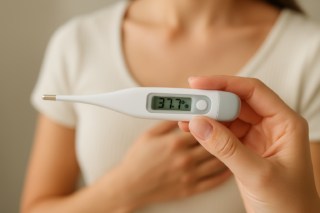
Everyone’s had that moment when deciphering foreign temperature scales leaves us scratching our heads—especially when traveling or discussing health. If you’ve ever wondered what is 37.7 Celsius in Fahrenheit, you’re not alone. This conversion is particularly important since it straddles the fine line between a normal body temperature and a mild fever.
Understanding What Is 37.7 Celsius in Fahrenheit
To convert 37.7 degrees Celsius to Fahrenheit, you can use this formula: multiply by 9, divide by 5, and then add 32. This gives us approximately 99.9 degrees Fahrenheit. Knowing this translates a number into a more familiar context and helps you gauge whether you’re running a fever.
Body temperature can impact everyday life more significantly than you might think. Even a small deviation from the normal range can affect your energy levels, concentration, and overall sense of well-being. Recognizing these numbers helps in making informed decisions about your health, especially when assessing symptoms of illness.
Why Temperature Fluctuations Matter
Normal body temperature for most adults ranges from 36.1°C (97°F) to 37.2°C (98.9°F). However, this can vary slightly based on the individual and environmental factors. A temperature of 37.7°C, or 99.9°F, is slightly above this range and may indicate a low-grade fever. Such fluctuations can arise from various causes, including infections, inflammation, or even certain medications.
Although a mild fever is not always a cause for concern, it can be a marker that your body is fighting off an infection. Fever is one of the body’s natural defenses against illnesses such as the flu or a cold, often accompanied by symptoms like fatigue, muscle aches, and headaches.
When to Seek Care
While minor temperature increases can often be managed at home, it’s crucial to know when to see a healthcare provider. Seek medical attention if a fever lasts more than a couple of days, or if it is accompanied by other symptoms such as a severe headache, rash, shortness of breath, or confusion. Pediatricians, internists, and family practitioners are typically the first point of call for concerns related to unusual body temperatures.
Practical Tips for Monitoring and Managing Body Temperature
Monitoring your body temperature is a straightforward process. Use a reliable digital thermometer, which can be used orally, rectally, or under the arm. Record your readings at different times to observe trends or changes.
To manage mild fevers, stay hydrated, rest, and use over-the-counter medications like acetaminophen or ibuprofen if recommended by your doctor. Remember, always check with a healthcare professional regarding the use of any medication, especially for specific instructions or potential interactions.
Learning More About Your Health
Understanding your body’s signals, like temperature changes, is essential for maintaining health. Small lifestyle changes may support overall wellness and help manage issues like mild fever. Regular exercise, a balanced diet, and good sleep hygiene are foundational practices for maintaining a stable body temperature.
For further reading on health topics, you can explore resources such as MedlinePlus. It’s an excellent source for information on a range of health issues, offering professional guidance on prevention and management.
Common Questions
When should I see a doctor for a fever?
Consult a healthcare provider if a fever persists more than two days, is very high, or if symptoms like severe headache, difficulty breathing, or unusual rashes appear.
What type of healthcare provider handles temperature concerns?
Primary care physicians, pediatricians, or internists usually manage temperature-related issues. In unusual or severe cases, specialists may be involved.
What could cause my body temperature to be slightly elevated?
Slight temperature elevations are often caused by infections, hot weather, exercise, or inflammation. Stress and certain medications can also be contributors.
How can lifestyle choices affect body temperature?
Lifestyle factors such as diet, hydration, physical activity, and overall health habits play a significant role in maintaining a stable and healthy body temperature. Learn more through this article on how lifestyle choices impact our overall health.
How can I prevent common issues that cause temperature spikes?
Frequent hand washing, staying hydrated, and keeping up-to-date with vaccinations can prevent infections that often cause temperature spikes.
- A temperature of 37.7°C is approximately 99.9°F.
- A low-grade fever can signal the body’s response to infection.
- Persistent fever or associated severe symptoms require medical evaluation.
- Basic health practices support overall temperature stability.
- Professional resources provide guidance on managing health conditions.
Grasping what is 37.7 Celsius in Fahrenheit is more than just math; it’s about understanding your health. Keeping track of your body temperature and knowing when to seek medical advice can make a meaningful difference in your well-being.
Other Articles You May Find of Interest...
- Why You Should Regularly Check Your Health Even When You Feel Fine
- What Is 37.7 Celsius in Fahrenheit and Why It Matters?
- Daily Wellness Habits That Help Maintain Youthful Skin and Joint Comfort
- Mushroom Coffee as a Lower-Caffeine Alternative for Focus and Energy
- Essential O Blood Type Facts You Should Know
- Decoding the Subtle Signs of Health Conditions
- 10 Practical Dopamine Tips to Improve Focus and Motivation Naturally