More Mental Health Articles
Mental Health Training for First Responders: De-escalation Skills
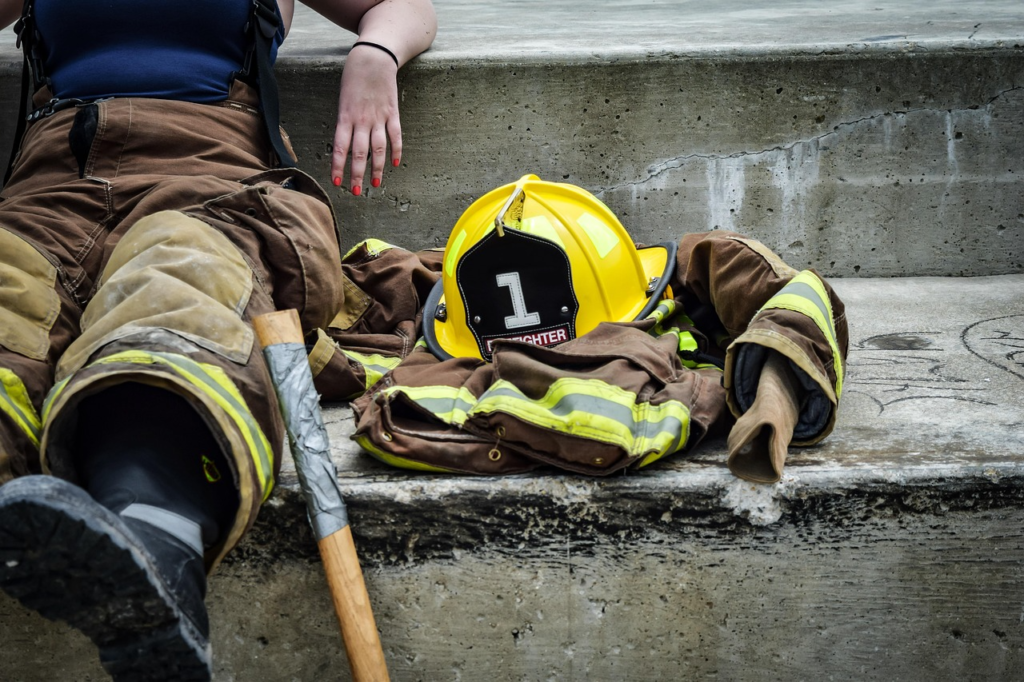
First responders walk into chaos every single day.
They arrive when everyone else is fleeing. That’s the job description. What it does to their mental health though? Enormous.
Did you know that 33% of first responders develop PTSD while only 20% of the general public does. There’s a significant difference. And that’s why de-escalation techniques are important.
Learn what mental health training should entail for first responders, why de-escalation tactics are the foundational skill they need, and how proper training can save lives – not just civilians, but first responders’ too.
Let’s jump in…
Here’s what’s inside:
- Why First Responders Need Mental Health Training
- Core De-escalation Skills That Actually Work
- Verbal vs Non-Verbal Techniques
- Building De-escalation Into Daily Practice
- Common Mistakes To Avoid
Why First Responders Need Mental Health Training
Mental health calls are now a huge chunk of what first responders deal with.
Police, paramedics, firefighters and 911 dispatchers deal with people in crisis every day. People in psychosis. People who are suicidal. Family fights that have gotten out of hand. Without proper training these calls can turn bad. And they can turn bad quickly.
That’s where effective Mental Health Training For First Responders comes in. It empowers responders to deal with mental health situations confidently – not aggressively. And it helps keep them mentally healthy along the way.
Here’s the reality:
The work is tough. And when you don’t have training in how to deal with challenging encounters, each stressful call compounds the traumatic stress you accrue over a career.
Good mental health training does two things at once:
- Protects the public: People in crisis get help, not handcuffs.
- Protects the responder: Less violent confrontations means less injury and less psychological damage.
Both matter. Equally.
Core De-escalation Skills That Actually Work
De-escalation is the art of calming a tense situation before it explodes.
Easy Peasy Lemon Squeezy. It’s not. There are science-driven reasons why some techniques work and others don’t or make things worse. Here are the fundamental skills every first responder should know.
Active Listening
This is skill number one. People in crisis want to be heard.
When a responder arrives snarling orders someone escalates. When they arrive listening? Calm is restored. Active listening entails:
- Letting the person speak without interrupting
- Reflecting back what they said
- Asking open-ended questions
- Showing understanding without judgement
The goal is to make the person feel safe enough to lower their guard.
Empathy and Validation
You don’t have to agree with someone to validate how they feel.
Someone having a mental health crisis may be saying things that don’t make sense. They may not be grounded in reality. That’s alright. You don’t have to argue with them. Try validating how they feel. Saying something like “that sounds really scary” or “I can understand why you’re angry” helps.
Controlled Body Language
Body language tells the whole story.
Crossed arms. Hovering over someone. Hands on your weapon belt. All of these are non-verbal cues that say threat. And someone who’s in crisis senses that immediately. The training teaches responders to:
- Keep hands visible and open
- Maintain a relaxed posture
- Give space (at least 2 arm lengths away)
- Stay at eye level when possible
This non-verbal calm sets the tone for the whole interaction.
Slow, Steady Voice
A loud, fast voice escalates. A calm, slow voice does the opposite.
Match-&-lower is taught to trained responders. They may match the person at their energy level to validate them, then gradually lower their voice. Typically the person comes down.
Verbal vs Non-Verbal Techniques
Both verbal and non-verbal skills work together.
You don’t get to segment them during an actual crisis. When a responder says “I want to help you” while holding a baton, that’s confusing body language right there. The person in crisis believes body language every time.
Studies support this as well. One significant study showed that de-escalation training cut aggressive events by 73% when combined verbal and body language training. This is a huge decrease in violent encounters.
The lesson? Train them as a pair. Always.
Building De-escalation Into Daily Practice
Training once and forgetting it doesn’t cut it.
De-escalation is a perishable skill. Just like fitness or firearm marksmanship. You have to practice it regularly to maintain your skills. The best agencies make it part of their everyday routine:
- Monthly scenario drills: Role-play with realistic crisis situations.
- Peer debriefs: Talk through real calls and what worked.
- Annual refreshers: Update teams on the latest research and techniques.
- Mental health check-ins: Responders need support too.
This last point is more important than most realise. A responder who is burned out/traumatised can NOT de-escalate someone. They’re nervous system is already overloaded before the call even comes in.
That’s why the best mental health training programs cover both:
- How to help people in crisis
- How to manage your own mental health
You can’t pour from an empty cup.
Common Mistakes To Avoid
Trained Responders Make Mistakes Too. These Are The 5 Most Common…
Mistake #1: Taking it personally.
If you’re yelled at for helping in crisis, remember it’s not personal. If you take it personal you’ll react defensively and the situation will quickly escalate.
Mistake #2: Rushing the resolution.
De-escalation is not instant. It can take 10 minutes. It can take an hour. Hurrying to end an interaction always fails.
Mistake #3: Going in too heavy.
Responding with lights, sirens and a tactical team can drive a person in crisis over the edge. Best responders scale their response to the real threat… not the perceived threat.
Mistake #4: Skipping the debrief.
Debriefing. Talking through that difficult call. It allows responders to work through what happened. Avoiding this allows PTSD to creep up on you over the years.
Final Thoughts
Mental health training for first responders isn’t a nice-to-have anymore. It’s essential.
De-escalation skills keep everyone safe: the public, the responder and the community. Research suggests that appropriate de-escalation training can reduce aggressive incidents, use of force, and responder injuries while improving outcomes in many situations.
To quickly recap:
- Mental health calls require specific skills (not force)
- Active listening, empathy, body language, and voice control are core
- Verbal and non-verbal techniques must be trained together
- De-escalation is perishable — it needs regular practice
- Avoid the common mistakes that escalate situations
All first responders should have access to effective de-escalation training. So do all of our communities.
Begin with just one skill. Choose a skill from this guide. Drill that skill the next time you work. Repeat. Eventually, skills become habits. Habits save lives. When you’re faced with the next call for a person in crisis — and you will be — proper training can mean everything.
Other Articles You May Find of Interest...
- Why Your Mental Wellness Routine Should Integrate Exercise
- How to Protect Your Mental Health After Losing a Pet
- The Hidden Link Between Blood Sugar and Anxiety: What Continuous Glucose Monitors Reveal
- Why a Gradual, Clinician-Guided Approach to Methylfolate May Matter
- Breaking the Stigma Around Mental Health and Seeking Professional Support
- Complex PTSD vs. PTSD: The Differences That Can Change Your Treatment
- When Talk Therapy Isn’t Enough: Understanding More Intensive Treatment for OCD