More Home Care & Wellness Products Articles
Find the Right Trigger Finger Brace for Effective Relief
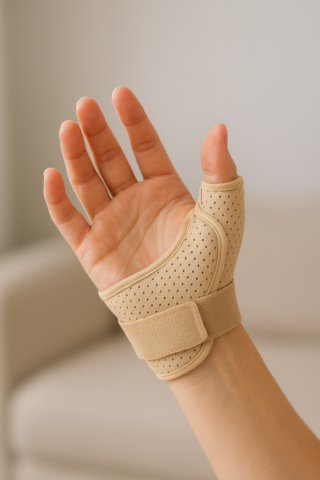
If you’ve been dealing with a persistent clicking or locking sensation in your finger, you might be suffering from trigger finger. In search of relief, a trigger finger brace could be a beneficial solution to explore. These braces are designed to stabilize the affected finger, helping to reduce discomfort and improve function as you go about your daily tasks.
How Trigger Finger Braces Provide Relief
Trigger finger splints work by keeping your finger in an extended position. By immobilizing the joint, they can help reduce inflammation and allow the tendon to heal properly. This can lead to decreased pain and improved mobility over time. Most importantly, they offer a non-invasive option to manage symptoms of trigger finger and potentially avoid surgery.
Choosing the Right Brace for Your Finger
Not all braces or splints are created equal, and it’s essential to find one that best suits your needs. Consider factors like comfort, size, and the type of material. Some people prefer a fabric splint, while others may find a metal brace more supportive. For those dealing with a specific finger, like a trigger finger splint for the ring finger, specialized options are available that cater to individual finger sizes and shapes.
Living with Trigger Finger
Daily activities can become a struggle when dealing with trigger finger. Tasks like typing, gripping, or even using a smartphone may cause discomfort. A properly fitted brace can make these tasks more manageable by stabilizing the finger and preventing painful locking or clicking during movement.
When to Seek Care
If wearing a brace or using other self-care measures like rest and icing does not alleviate your symptoms, it might be time to see a healthcare professional. Look for a specialist in orthopedics or a hand surgeon, as they can provide more in-depth treatment options. Early intervention can prevent the condition from worsening and evaluate whether other treatments, like corticosteroid injections or surgery, are necessary.
Medication and Trigger Finger
Some individuals might consider medication to manage the pain and inflammation associated with trigger finger. Over-the-counter pain relievers can help, but discussing with a doctor what might work best for your situation is crucial. When discussing medication transitions or potential side effects, be open about your current health status and any other medications you are taking.
Exploring Treatment Options
Trigger finger can be managed through various methods, and while braces are an excellent start, there are other treatments to consider. Hand therapy exercises, sometimes recommended by occupational therapists, can improve strength and flexibility. Additionally, lifestyle changes, such as modifications in hand tool usage or ergonomic adjustments in workspaces, can contribute to symptom relief.
For those exploring broader lifestyle adjustments, moving from a sedentary lifestyle to a more active one can complement managing trigger finger. Consider reading this article about small steps to a more active lifestyle to find tips that may aid in your overall health journey.
Common Questions
What are the main symptoms of trigger finger?
Common symptoms include a clicking or popping sensation, pain when bending the finger, and a finger that locks or catches in a bent position.
What type of provider treats trigger finger?
Orthopedic surgeons, hand surgeons, or a physiotherapist can help diagnose and treat trigger finger effectively.
Can trigger finger go away on its own?
In some cases, with adequate rest and avoiding aggravating activities, trigger finger symptoms may improve without further intervention. However, persistent symptoms should be evaluated by a healthcare professional.
Is surgery always necessary for trigger finger?
No, surgery is usually considered a last resort. Many patients find relief through splints, physical therapy, or injections. Surgery might be recommended if other treatments fail.
Takeaways
- Trigger finger braces help stabilize the finger, reducing pain and discomfort.
- Finding the right brace involves considering comfort, fit, and material preferences.
- Early intervention and varied treatment options can prevent symptoms from worsening.
- Consult a healthcare professional if symptoms persist despite using a brace.
- For more information, explore topics on health topics through trusted sources.
Opting for a trigger finger brace is a proactive step in managing the condition, offering a non-invasive option that may help you regain comfort and function in your daily life.
Other Articles You May Find of Interest...
- The Kitchen Upgrade Every Parent Should Consider
- Art in Your Home Can Reduce Stress: The Science and the Strategy
- Why a Long Driveway Gate Can Shape Accessibility, Safety, and Healthy Home Living
- The Health Benefits of Professional Home Cleaning: What Medical Research Reveals About Indoor Environment Quality
- Moving Into a New House? Why a Water Quality Check Should Be Your First Step
- How Cleanliness Creates a More Comfortable and Healthier Home
- Planning a Home Sauna to Share