






More Ear, Nose & Throat Articles
Tips to Prevent Ear Pain During Flights
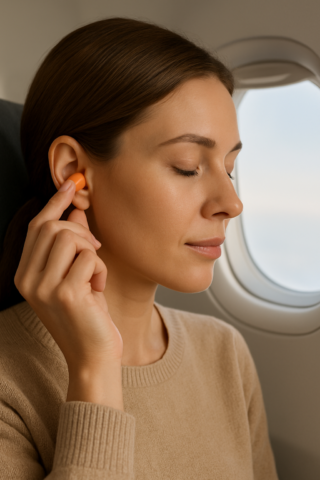
Imagine this: you’re on a plane, thousands of feet up in the air, and suddenly your ears start to twinge and ache. You try swallowing, yawning, even pinching your nose and blowing. Nothing seems to work, and you wonder how to avoid ear pain during flight next time. Don’t worry, you’re not alone. Ear discomfort during flights is a common concern due to changes in cabin pressure, especially during ascent and descent.
What Causes Ear Pain During a Flight?
Ear pain while flying often occurs because of the rapid pressure changes as the plane ascends and descends. The eustachian tubes in your ears typically work to equalize ear pressure by opening and allowing air to move in or out. However, during flights, these tubes may not function optimally, leading to an imbalance in ear pressure.
Simple Tricks to Prevent Ear Discomfort
Try chewing gum or sucking on candy, especially during takeoff and landing. These actions promote swallowing, which can help open the eustachian tubes to equalize pressure.
Consider using filtered earplugs, often marketed specifically for flying. These earplugs help regulate the pressure changes more gradually. They can also help with noise reduction.
Stay Hydrated
Staying well-hydrated before and during the flight can help maintain overall health and comfort, including your ears. Drinking water can help keep mucous membranes moist, promoting better eustachian tube function.
Try the Valsalva Maneuver
If you experience ear pain while landing flight, try the Valsalva maneuver. Pinch your nostrils closed, take a mouthful of air, and gently blow out against your closed nostrils. This technique can help pop your ears and relieve pressure.
When to Seek Care
For most people, ear pain during a flight is temporary and resolves shortly after landing. However, if you experience severe, persistent pain or any hearing loss post-flight, it might be time to see a healthcare provider. An ENT specialist, or otolaryngologist, can evaluate your symptoms and provide treatment options if necessary.
How to Avoid Ear Pain During Flight
Understanding how to avoid ear pain during flight is key for many travelers. In addition to using chewing gum and earplugs, consider taking decongestants before the flight if you have a cold or allergies. This can reduce nasal congestion and improve eustachian tube function. Before taking any medication, consult with your healthcare provider, especially if you have underlying health conditions.
Medication Considerations
Decongestants can provide relief, but it’s important to use them responsibly. You should generally follow your doctor’s advice regarding timeframes and dosages. Additionally, be aware that decongestants can have side effects, such as increased heart rate or blood pressure, so they might not be suitable for everyone.
Impact on Daily Life
Frequent travelers, especially those flying for work, may notice persistent ear issues affecting their daily lives and hearing wellness. Managing ear pain while flying can lead to more comfortable travel experiences. Awareness and preparation are key, and simple measures can often prevent discomfort.
Learn more about managing flight-related health issues by visiting MedlinePlus. For other conditions, such as iron overload, you might find this guide on recognizing hemochromatosis useful.
Takeaways
- Ear pain during flights is a common issue caused by pressure changes.
- Chewing gum, using filtered earplugs, and drinking water can help.
- If ear pain is severe or persists, consult an ENT specialist.
- Decongestants may aid in preventing ear discomfort; consult your doctor before use.
- Prepare ahead to make your flight more comfortable.
Common Questions
What should I do if my ears hurt during a flight?
If you experience ear pain during a flight, try chewing gum, yawning, or using the Valsalva maneuver. These actions can help balance the pressure in your ears and ease discomfort.
Can ear pain while flying cause long-term damage?
While ear pain is typically temporary, severe or recurrent pressure issues without proper management can sometimes lead to issues like barotrauma. Persistent symptoms should be evaluated by an ENT specialist.
Should I take decongestants before flying?
For individuals prone to ear pain or traveling with a cold or allergies, a decongestant may help by reducing nasal congestion. Always consult with a healthcare provider before starting any medication.
Is there someone I can talk to about my ear pain?
Yes, if you’re frequently experiencing ear pain during flights, consider speaking with an otolaryngologist. They can evaluate your symptoms and offer strategies or treatments tailored to your needs.
Can I prevent ear pain if I fly frequently?
Yes, using preventive measures like earplugs and staying hydrated can help reduce the risk of ear pain. Routine evaluation by a specialist may also provide further personalized preventative steps.
Other Articles You May Find of Interest...
- Tips to Prevent Ear Pain During Flights
- Navigating the Challenges of Pharyngeal Dysphagia and Its Impact on Health
- What Causes Ears Itching Inside and How to Find Relief?
- Causes and Solutions for Behind Ear Hurting
- Effective Solutions for Kids Decongestants and Children’s Sinus Relief
- Causes and Solutions for Discomfort Behind the Ear
- Relief from Post Nasal Drip: Exploring Prescription Nasal Spray Options




