More Health Technology Articles
Healthcare’s Next Efficiency Revolution: Wearable Apps, Real-Time Data, and EHR Integration
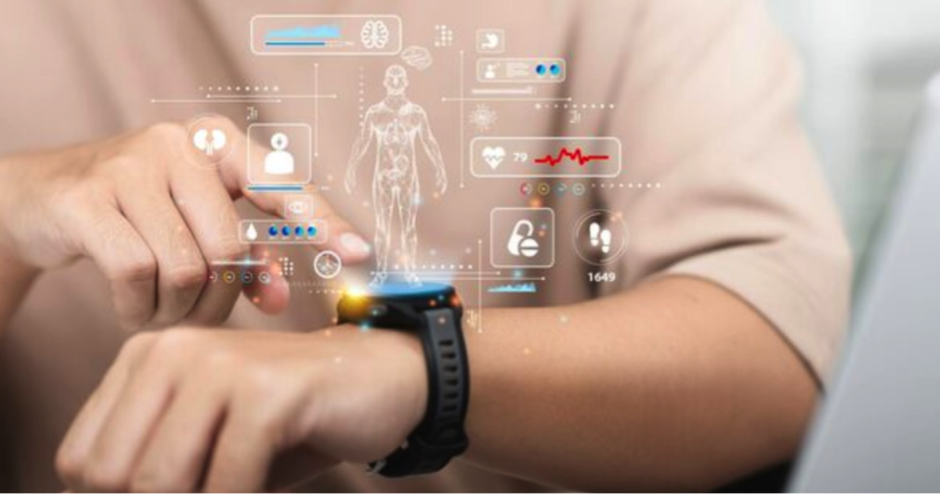
Walk through any large hospital’s IT infrastructure and you will find the same story repeated in different fonts. Terabytes of patient data, generated continuously, going nowhere useful. The cardiac monitor feeding a system the hospitalist cannot pull up. The post-discharge wearable readings sitting in a vendor portal nobody checks. A scheduling platform that has not spoken to the billing system in three years.
This is not a data problem. It is a plumbing problem. And for executives trying to build leaner, faster, safer health systems, fixing that plumbing is the actual work. Electronic health records integration solutions sit right at the center of it, because without them, even the best wearable devices in the world are just expensive accessories.
When patient data moves freely from device to record to clinician in real time, care teams stop being reactive. They start knowing things before patients know to report them. That kind of shift does not show up in a single metric. It changes how a hospital functions at a structural level.
Wearables Are Only as Useful as What They Connect To
The hardware story in wearables has largely been told. Modern devices can track arrhythmia onset, continuous glucose fluctuation, blood oxygen dips, sleep disruption patterns, and post-surgical mobility with accuracy that would have seemed implausible a decade ago. Roughly a third of American adults use some form of wearable health technology today.
But most of those devices are generating data into a void.
A cardiac patient discharged on a Friday afternoon with a wearable monitor strapped to their wrist is not being monitored if the readings are feeding into a standalone app with no EHR connection. The readings exist. They might even flag something clinically relevant. Nobody sees them until Monday, or until the patient comes back through the ED.
That gap is not a technology gap. The technology to close it exists. It is an integration gap, and it is where a lot of well-intentioned digital health programs quietly fall apart. Organizations that treat EHR connectivity as a phase two consideration almost always find out why that was the wrong call.
What Changes When the Data Actually Flows
Take a straightforward post-surgical scenario: a knee replacement patient discharged with a wearable that tracks mobility patterns and vitals. Under a connected model, those readings push directly into the patient’s record via electronic health records integration solutions that flag deviations in real time.
Day four post-discharge, mobility scores drop sharply. The alert surfaces on the surgeon’s dashboard before the patient has thought to call anyone. The care coordinator reaches out. What might have been a DVT, an infection, or a medication reaction gets caught and addressed before it lands the patient back in the hospital.
That scenario is not futuristic. Studies have explored the use of integrated wearable data in remote patient monitoring programs for cardiac, diabetic, and post-surgical populations, with some reporting improvements in care coordination and reductions in readmissions. What separates health systems that benefit from it and those that do not is almost always the quality of the integration underneath.
The Architecture Conversation Nobody Wants to Have Early Enough
For a CTO or CIO evaluating this space, the temptation is to start with the device selection and work backwards. That tends to be the wrong sequence.
The device question is relatively straightforward now. Epic, Cerner, and Oracle Health all support FHIR R4 APIs, which give wearable data a standardized path into patient records. The friction that used to come from proprietary formats and custom builds has reduced significantly.
Where things get complicated is the middleware. The logic layer that takes raw readings from a heterogeneous device ecosystem, runs them through clinical relevance filters, manages real-time patient consent, and delivers the right signal to the right clinician without burying them in noise. Alert fatigue is a real operational risk in any monitoring program, and it is almost always an architecture problem rather than a device problem.
Working with an experienced wearable app development company that has delivered these integrations in live clinical environments matters here. The organizations that have actually scaled remote monitoring beyond a pilot tend to share one habit: they brought clinical informatics teams and frontline clinicians into the design process early. Not at user acceptance testing. Early.
Questions Worth Asking Before You Commit
If you are sitting in a CMO, CTO, or CIO seat and evaluating a wearable integration program, a few things are worth pushing on before the contracts get signed:
- Who actually sees the data, and when? Integration that terminates in a portal nobody has time to log into is not integration. Know exactly which clinical role receives which alert and through which channel.
- Who set the thresholds, and can they be adjusted? Alert parameters are clinical decisions. If your vendor or IT team defined them without physician input, that is worth revisiting before go-live.
- How does consent work at volume? A consent checkbox in onboarding does not hold up when a monitoring program scales to thousands of patients with different conditions, devices, and preferences. Consent workflows need to be dynamic and auditable.
- What does support look like after launch? EHR version upgrades, device firmware updates, new clinical protocols, expanded use cases. These all create integration touch points that require ongoing attention. Understand what the post-launch relationship actually looks like.
The Actual Opportunity Here
Healthcare has been promised operational efficiency from technology for a long time, and it has delivered inconsistently. The combination of real-time wearable data and mature EHR integration solutions is genuinely different because it does not require reinventing how care is delivered. It just requires connecting what already exists.
The monitors are already on patients’ wrists. The EHRs are already running. The clinical staff are already making decisions. What is missing in most systems is the layer that makes those three things talk to each other in time to matter.
Getting that layer right is not glamorous work. But for health systems willing to invest in it properly, the returns show up in readmission rates, length of stay, clinician time, and patient outcomes simultaneously. That combination is rare. It is worth building toward.
Other Articles You May Find of Interest...
- Healthcare’s Next Efficiency Revolution: Wearable Apps, Real-Time Data, and EHR Integration
- Smart Health Habits: Using Technology to Support a Healthier Lifestyle
- The Future of Patient Care and the Technology Making It Possible
- The AI-Enabled Entrepreneur: How Technology Is Lowering Barriers to Starting a Business
- AI Wellness Apps vs Traditional Meditation Apps in 2026
- Building Resilient Healthcare Systems Through Proactive Cybersecurity Strategies
- Healthcare Call Centers Improving Patient Communication in 2026