More Intravenous (IV) Therapy Articles
Exploring the Role of Cannulas in Modern Healthcare
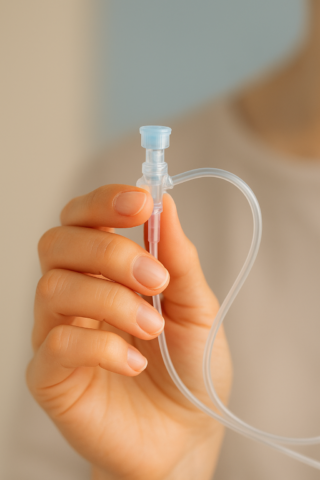
Imagine needing to administer fluids quickly due to dehydration or preparing for a surgery that requires anesthesia. In these and many other medical scenarios, cannulas play an essential role. These small, flexible tubes are critical in facilitating the delivery of medications, fluids, and other vital substances directly into the body, ensuring that patients receive timely and effective care.
The Important Role of Cannulas in Healthcare
Cannulas are used extensively across various medical fields due to their ability to deliver substances directly into the bloodstream or other body parts. For example, in emergency medicine, a cannula is often utilized to ensure rapid and efficient drug delivery, which can be lifesaving in critical situations. Different types of cannulas are available, each designed for specific purposes, ranging from simple intravenous fluids to more complex surgical procedures.
Everyday Applications and Importance
In everyday healthcare settings, cannulas serve multiple purposes. They are commonly used in administering medications and fluids intravenously, which is essential in both hospital inpatient care and outpatient settings. Cannulas are also invaluable in surgeries, ensuring that anesthesia is delivered painlessly and effectively.
Moreover, individuals requiring long-term care, such as those with chronic illnesses, often rely on cannulas for ongoing treatment. Their design makes them less invasive compared to other methods, offering a more comfortable experience for patients.
Common Concerns and Practical Insights
When using cannulas, patients might wonder about certain practical aspects, such as potential discomfort, risks of infection, and aftercare. While the insertion of a cannula can cause mild discomfort, healthcare professionals are experienced in minimizing any pain involved.
Regarding infection, it’s essential to maintain proper hygiene and ensure that the cannula is regularly checked and replaced as advised by healthcare providers. Aftercare might involve monitoring for signs of infection or complications, ensuring that the area remains clean and free of irritation.
In some cases, cannulas might be compared to other methods of administration such as oral supplements. Those interested in learning more about how intravenous therapy compares with oral supplements can read about IV therapy vs. oral supplements.
When to Seek Care
If a cannula becomes swollen, painful, or shows signs of infection, it’s crucial to seek medical evaluation. A nurse or primary care physician can inspect the site and determine if intervention or replacement is necessary. Regular monitoring by a healthcare professional is recommended to ensure the cannula’s effectiveness and reduce risks of complications.
Takeaways
- Cannulas are vital in modern healthcare for effective delivery of medications and fluids.
- Common applications include emergency medicine, surgery, and chronic condition management.
- Proper care and monitoring are essential to prevent infection and ensure effectiveness.
- Cannulas generally provide a less invasive option for patients compared to other methods.
- Consulting with healthcare professionals is key to addressing any concerns or complications.
Common Questions
When should you see a healthcare provider regarding a cannula?
If you notice signs of infection, such as redness, pus, or increased discomfort at the site, it’s vital to consult a healthcare provider promptly. It’s also advisable to check with your provider if the cannula doesn’t seem to be functioning properly or if you experience unusual symptoms.
Who typically manages and places a cannula?
Nurses and physicians are trained to insert and manage cannulas, ensuring they function correctly and are replaced when necessary. Healthcare providers will also educate patients on how to care for the insertion site at home.
Can cannulas cause discomfort or pain?
While the insertion of a cannula might cause minor discomfort, healthcare providers employ techniques to minimize this. If you experience significant pain or discomfort afterward, it should be discussed with a healthcare professional.
What precautions can prevent complications from using a cannula?
Maintaining strict hygiene, adhering to aftercare instructions, and promptly reporting any unusual symptoms can help prevent complications such as infections. Regular follow-ups with your healthcare provider are also important.
In summary, cannulas hold a significant place in various medical procedures, from emergency interventions to routine surgeries. These small yet powerful tools facilitate life-saving treatments, ensuring that patients receive the care they need. Proper usage and vigilant aftercare help maintain their effectiveness and minimize potential risks.
Other Articles You May Find of Interest...
- Exploring the Role of Cannulas in Modern Healthcare
- What Is a Portacath and How Does It Work?
- Exploring the Benefits and Risks of IV Muscle Relaxers
- The Importance of Sterile Water for Injection in Medical Treatments
- Navigating Birth Control Options: Is Larin Fe 1 20 Right for You?
- Finding the Optimal Injection Site for Zepbound
- The Importance of IV Bolus in Effective Patient Care