More Intravenous (IV) Therapy Articles
What Is a Portacath and How Does It Work?
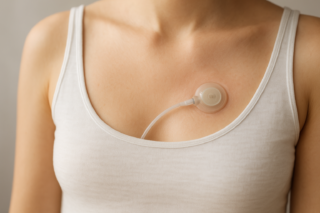
Imagine a patient dealing with chronic medical conditions that require frequent intravenous treatments or blood draws. Each hospital visit involves numerous needle sticks, causing discomfort and inconvenience. For many, a portacath can offer a solution. A portacath, or port, is a small medical device implanted under the skin, often in the chest, which allows easy access to veins for drawing blood or delivering medications.
Understanding a Portacath
The portacath is a valuable tool that simplifies healthcare for patients undergoing long-term or frequent treatments. The device consists of a thin, hollow tube known as a catheter, which connects to a small reservoir or port. The port is typically a small, round disc made of metal or plastic placed completely under the skin. This configuration allows medical professionals to access a patient’s bloodstream with fewer needle sticks.
Who Might Need a Portacath?
Portacaths are commonly used for patients receiving chemotherapy, long-term antibiotic treatment, or those with conditions requiring regular blood tests. By minimizing the need for repeated needle insertions, portacaths can enhance the patient’s comfort and reduce stress during treatment sessions. They are also beneficial for patients with small or hard-to-access veins.
Benefits in Daily Life
For patients dealing with frequent medical interventions, a portacath can significantly affect daily life. It reduces the need for repetitive IV insertions and offers the freedom to engage in regular activities, including showering and swimming, with minimal discomfort. As the portacath is implanted under the skin, it typically remains unobtrusive and easy to manage.
When to Seek Care
If you notice signs of infection, unusual swelling, or persistent pain around the portacath site, it is crucial to seek medical attention. Complications related to portacaths may occur, such as infections or blockages, which require evaluation by a healthcare provider. A qualified professional, such as an oncologist or a specialized nurse, can offer insights and solutions for managing portacath-related concerns.
Potential Complications and Their Management
While portacaths are generally safe, potential complications can arise, including infection, thrombosis, or catheter shifts. Infections might manifest as redness, swelling, or discomfort at the site, and should be evaluated promptly. Thrombosis, or blood clots, can occur within the catheter and inhibit its function. Regular check-ups and appropriate port care strategies can mitigate these risks.
Practical Considerations for Portacath Users
Before implantation, patients should discuss practical concerns with their healthcare providers. Questions may include activity restrictions following surgery, signs indicating port malfunction, and maintenance practices to prevent clots and infections. It is also crucial to learn how to properly care for the port site and recognize symptoms that require medical evaluation.
Reliable Resources and Support
Learning about portacaths from reliable resources can empower patients to participate in their care actively. Explore comprehensive health topics on MedlinePlus for detailed information and practical guidelines. Collaborating with healthcare providers can also provide personalized advice tailored to individual needs and health conditions.
Takeaways
- A portacath provides easy access to veins for regular treatments.
- It can significantly enhance comfort for those needing frequent interventions.
- Consult healthcare providers if you notice issues like infection or pain at the port site.
- Regular maintenance is crucial to prevent complications associated with the port.
- Access reliable sources for further understanding and effective management.
Common Questions
When should I contact a healthcare provider about my portacath?
If you experience signs of infection such as redness, swelling, or warmth at the port site, or difficulty in accessing or flushing the port, consult your healthcare provider promptly.
What type of healthcare professional manages portacath concerns?
A nurse specializing in infusion therapy or an oncologist often manages portacath concerns, ensuring proper usage, maintenance, and addressing any complications that arise.
Can I resume normal activities with a portacath?
Typically, patients can resume most daily activities such as showering, exercising, and even swimming after the incision heals. However, consult your healthcare provider for specific guidelines related to your health situation.
How is the risk of infection minimized with a portacath?
Following strict hygiene practices, such as cleaning the port site regularly and using antiseptic techniques for access, can help minimize infection risks.
Are there alternatives to a portacath for long-term intravenous treatment?
Other options include PICC lines or central venous catheters, each with unique benefits and considerations. Discuss with your healthcare provider to determine the best choice for your treatment needs.
With the right care and precautions, a portacath can significantly improve the quality of life for individuals needing recurrent treatments. As always, open communication with healthcare providers is essential for successful port management and addressing any arising issues.
Other Articles You May Find of Interest...
- Vitamin Booster Shots: Worth the Needle?
- What Patients Should Know Before Choosing An IV Hydration Clinic
- Is Your Bed Vibrating at Night? Understanding Possible Causes and Solutions
- Exploring the Role of Nidazole in Health and Wellness
- Navigating the Different Classes of Pulmonary Hypertension: What You Need to Know
- IV Drip Therapy at Home: A Convenient Solution for Hydration and Wellness
- Exploring the Role of Cannulas in Modern Healthcare