More Practice Management Articles
Dermoscopy vs. Total Body Photography: Which Approach Is Best for Your Practice?

As skin cancer rates continue to rise globally, dermatologists and skin cancer clinics are under increasing pressure to deliver faster, more accurate diagnoses. Two of the most widely used approaches in modern skin cancer screening are dermoscopy and total body photography. Both are powerful clinical tools, but they serve different purposes and suit different practice needs.
So which approach is right for your practice? This guide breaks down both methods, compares their strengths and helps you make the right decision for your patients and your clinic.
What Is Dermoscopy?
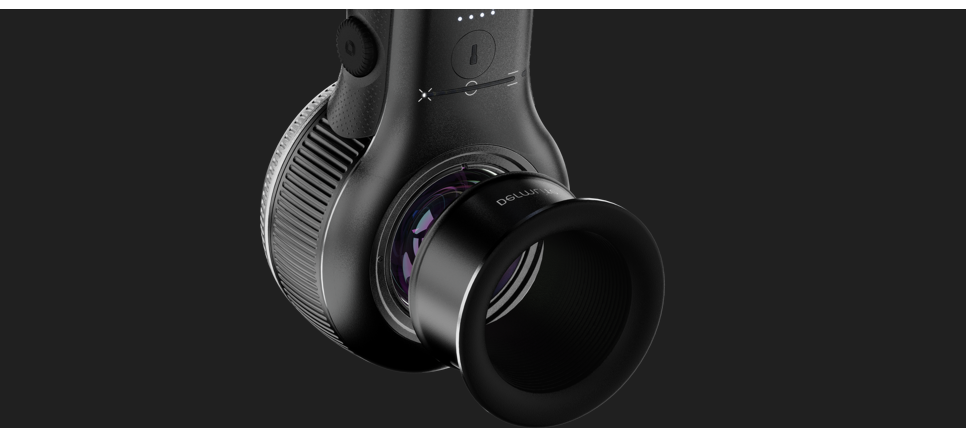
Dermoscopy is a non-invasive diagnostic technique that uses a specialised optical device called a dermatoscope to examine skin lesions at high magnification. It allows clinicians to visualise structures within the skin that are not visible to the naked eye, significantly improving the accuracy of skin cancer detection.
Dermatoscopes are available in both handheld and video-based formats, offering polarised and non-polarised illumination modes depending on clinical need. They are compatible with smartphones, cameras and clinical workstations, making them one of the most flexible and accessible tools in modern dermatology. Dermoscopy is currently recognised as the gold standard for individual lesion examination in dermatology practices worldwide.
What Is Total Body Photography?
Total Body Photography (TBP) is a clinical imaging technique that captures standardised, high-resolution photographs of the entire body surface. These images serve as a baseline reference, allowing clinicians to track new or changing lesions across the whole body over time.
TBP is particularly valuable for patients with a large number of moles or a personal or family history of melanoma. It does not replace dermoscopy. Instead, it provides a wider clinical view that helps identify which lesions require closer dermoscopic examination, making it a powerful complementary tool in a comprehensive skin cancer screening workflow.
Key Differences Between Dermoscopy and Total Body Photography
| While both approaches support skin cancer detection, they differ significantly in focus, purpose and application. Dermoscopy | Total Body Photography | |
| Focus | Individual lesion close-up | Entire body surface overview |
| Primary Purpose | Immediate lesion diagnosis | Long-term monitoring and change detection |
| Best For | Any patient with a suspicious lesion | High-risk patients needing ongoing surveillance |
| Equipment | Same-day diagnostic decision | Long-term comparison across multiple visits |
| Used By | Specialist skin cancer clinics and dermatologists | Specialist melanoma and skin cancer clinics |
| Clinical Outcome | Same-day diagnostic decision | Long-term comparison across multiple visits |
| Clinical Setting | Used during routine consultation | Used for structured surveillance programs |
Which Approach Suits Your Practice?
When to Choose Dermoscopy
Dermoscopy is the right primary tool for practices that see a general mix of patients presenting with skin concerns. It is cost-effective, portable and ideal for solo practitioners or small dermatology clinics that need a flexible imaging solution focused on individual lesion assessment. For any clinic just beginning to invest in skin imaging technology, dermoscopy is the natural and logical starting point.
When to Choose Total Body Photography
Total body photography is the right choice for practices that specialise in skin cancer surveillance and high-risk patient monitoring. It is particularly well-suited for clinics managing patients with dysplastic naevus syndrome or a large number of moles and for dedicated skin cancer clinics or specialist referral centres that want to offer a premium, comprehensive skin health service.
When to Use Both
Many leading dermatology and skin cancer practices use both dermoscopy and total body photography as part of an integrated clinical workflow. This combined approach is most effective when your patient base includes both general and high-risk patients and when your goal is to offer the most thorough skin cancer screening service available. Using both together also helps reduce unnecessary surgical excisions by allowing clinicians to confidently track borderline lesions over time. Systems like MoleMax lite make this integrated approach practical and efficient for clinics of all sizes.
Conclusion
Both dermoscopy and total body photography are essential tools in the modern dermatology practice. Rather than thinking of them as competing approaches, the most effective clinics use them together as complementary parts of a comprehensive skin cancer screening workflow.
If you are just starting out, dermoscopy is the logical first step. If you are ready to offer a specialist-level service to high-risk patients, adding total body photography will set your practice apart.
Frequently Asked Questions
Is dermoscopy or total body photography more accurate for melanoma detection?
Both serve different diagnostic purposes. Dermoscopy is more accurate for individual lesion analysis, while total body photography is more effective for detecting new or changing lesions across the whole body over time. Used together, they provide the highest level of diagnostic accuracy.
Can a small clinic afford both dermoscopy and total body photography?
Yes. Many modern systems combine both capabilities in a single integrated platform, making it more affordable and practical for smaller practices to offer both services.
How often should patients undergo total body photography?
For high-risk patients, total body photography is typically recommended once a year, or more frequently if new or changing lesions are detected between appointments.
Does dermoscopy require specialised training?
Yes, dermoscopy requires clinical training to interpret lesion structures accurately. However, most modern systems are designed to be user-friendly and providers like MoleMax Systems offer comprehensive training and support to help clinicians build confidence quickly.
What is the difference between mole mapping and total body photography?
Total body photography captures standardised overview images of the entire body. Mole mapping combines these overview images with close-up dermoscopic images of individual lesions, providing a more detailed and comprehensive clinical record.
Other Articles You May Find of Interest...
- RTM Software for Physical Therapy: Features, Workflows, and Clinical Value
- How Mobile Spa Software Helps On-Demand Spas Manage Bookings From Anywhere
- Wholesale Injectables Supplier in New York: A Med Spa’s Guide to Compliant Sourcing
- How Much Admin Work Can a Practice Realistically Outsource?
- What a Medical or Dental Practice Should Automate First
- Choosing a Security Camera System for Healthcare Practices and Facilities
- How to Choose Microblading Insurance for an Independent Artist or Growing Salon