






More Vision & Eye Care Articles
Understanding Color Blindness: Daily Challenges, Modern Solutions, and What to Know About Color Vision Aids
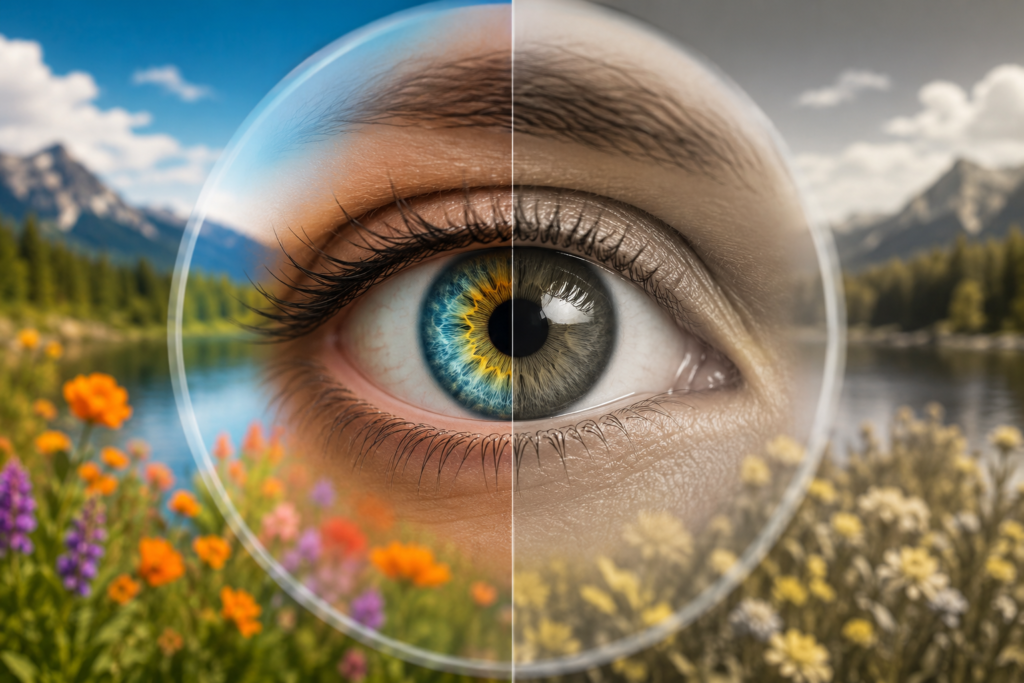
Color plays a much larger role in daily life than many people realize. From reading traffic lights and interpreting workplace safety labels to choosing clothing and enjoying a sunset, color helps people navigate the world around them. For individuals with color vision deficiency, commonly called color blindness, these everyday tasks can become more challenging.
Color blindness affects millions of people worldwide. While many individuals adapt remarkably well and develop strategies to compensate, certain situations can still create obstacles at school, work, and in daily living. Understanding what color blindness is, how it affects vision, and what tools may help can empower individuals and families to make informed decisions.
What Is Color Blindness?
Color blindness is a condition in which a person has difficulty distinguishing certain colors. Despite the name, most people with color blindness do not see the world in black and white. Instead, they typically have trouble differentiating specific color combinations.
The most common forms involve red-green color vision deficiency. These occur when the eye’s cone cells, which detect color, do not function typically or are absent altogether. Less common forms affect blue-yellow color perception, while complete color blindness is extremely rare.
Color blindness is often inherited and present from birth, although certain eye diseases, medications, injuries, or aging-related changes can also affect color perception later in life.
How Common Is Color Blindness?
Color vision deficiency is relatively common, particularly among men. Because the genes involved in most inherited forms of color blindness are located on the X chromosome, males are affected more frequently than females.
Many individuals may not realize they are color blind until childhood vision screenings, school activities, driver’s license examinations, or employment-related vision testing reveal the condition.
Everyday Challenges of Color Vision Deficiency
The impact of color blindness varies considerably depending on severity and the specific type involved.
Common challenges may include:
- Distinguishing traffic signal colors in certain lighting conditions
- Reading color-coded charts, maps, and graphs
- Identifying electrical wiring colors
- Selecting matching clothing
- Interpreting color-based medical or laboratory information
- Recognizing ripeness in fruits and vegetables
- Participating in activities that rely heavily on color cues
Many people develop highly effective coping strategies. They learn to rely on position, brightness, labels, texture, and contextual clues rather than color alone. However, some professional and educational settings can still present unique difficulties.
Color Blindness and Career Considerations
For some occupations, accurate color recognition is an important job requirement. Certain roles in transportation, aviation, emergency services, electrical work, military service, and healthcare may include color vision testing as part of the qualification process. Requirements vary by profession, employer, and jurisdiction.
Individuals considering careers with color vision standards should research requirements early and consult qualified vision professionals when necessary.
How Is Color Blindness Diagnosed?
Eye care professionals use several methods to evaluate color vision.
One of the most widely recognized screening tools is the Ishihara Color Test, which presents a series of colored dot patterns containing numbers or shapes. People with certain forms of color blindness may have difficulty identifying the hidden figures.
Additional testing methods can help determine the type and severity of color vision deficiency. A comprehensive eye examination can also help identify whether color vision changes are inherited or related to another underlying condition.
Different Types of Color Blindness
Not all color blindness affects vision in the same way. The most common forms are red-green color vision deficiencies, which include protan and deutan types. Individuals with these conditions may have difficulty distinguishing between shades of red, green, brown, and orange, especially when colors are similar in brightness.
Blue-yellow color vision deficiency, known as tritan deficiency, is much less common. People with this condition may struggle to tell the difference between blues and greens or yellows and certain shades of pink. Complete color blindness, called achromatopsia, is extremely rare and can involve seeing the world primarily in shades of gray along with additional visual challenges such as light sensitivity.
Understanding the specific type of color vision deficiency can help individuals identify the most useful coping strategies, workplace accommodations, and assistive technologies for their particular needs.
Can Color Blindness Be Cured?
At present, there is no widely available cure that restores normal color vision for inherited color blindness.
Researchers continue investigating potential future therapies, including gene-based approaches, but these remain under study. Current management strategies generally focus on adaptation, education, and the use of visual aids that may improve color discrimination in certain situations.
Available Tools and Technologies
A variety of tools have been developed to help people with color vision deficiency navigate everyday tasks more effectively.
Smartphone Applications
Many mobile applications can identify colors using a phone’s camera. These tools can help users determine clothing colors, identify household items, or interpret color-coded information.
Accessibility Features
Modern computers and mobile devices often include accessibility settings that adjust color contrast, modify displays, or provide visual enhancements designed to improve usability.
Specialized Lenses
Some companies offer specially designed glasses or contact lenses intended to enhance contrast between certain colors. These products do not cure color blindness, but some users report that they help distinguish specific shades more easily in selected situations. Results can vary substantially from person to person.
Understanding Color Filtering Lenses
Color-filtering lenses work by selectively reducing or altering portions of the visible light spectrum before light reaches the eye. The goal is to increase contrast between colors that may otherwise appear similar to individuals with certain types of color vision deficiency.
Because color blindness exists on a spectrum, no single solution works equally well for everyone. Some users report noticeable improvements in color differentiation, while others experience little benefit. Eye care professionals can help determine whether such products may be appropriate for a specific individual’s needs.
Among the companies offering products in this category is ColorKinds, which provides color vision aids designed for individuals with red-green color vision deficiencies. According to the company, their products use filtering technology intended to improve distinction between certain color ranges.
Contact Lens Options for Color Vision Deficiency
While color-filtering glasses are more widely known, some manufacturers also offer contact lens alternatives.
For individuals interested in learning about available options, Colorkinds Color Blind Contact Lenses are marketed as lenses designed to assist people with certain forms of red-green color blindness through spectral filtering technology. According to product information provided by the manufacturer, the lenses are intended for individuals with protan and deutan forms of red-green color vision deficiency.
As with any vision-related product, results may vary between users, and individuals should carefully review product information, consult eye care professionals when appropriate, and understand that such lenses are not considered a cure for color blindness.
What Does the Research Say?
Research into color vision deficiency continues to evolve. Studies have explored methods of enhancing color perception through optical filters, digital image processing, accessibility technologies, and other approaches. Researchers have also investigated software-based solutions that adjust visual displays to improve usability for individuals with color vision deficiencies.
While some optical aids may improve color discrimination under certain circumstances, experts generally agree that existing products do not restore normal color vision. Expectations should therefore remain realistic when evaluating available options. Community discussions among individuals with color blindness often reflect a wide range of experiences, with some users reporting benefits in specific tasks and others reporting limited improvement.
Supporting Children with Color Blindness
Early identification can help children succeed academically and socially.
Parents and educators can support children by:
- Labeling materials when possible
- Avoiding instructions that rely solely on color
- Using patterns, symbols, and text labels alongside colors
- Informing teachers about the child’s needs
- Encouraging confidence and problem-solving skills
Many children with color blindness thrive once they understand their condition and learn practical adaptations.
Living Successfully with Color Blindness
For most people, color blindness is not a disability that limits independence. Many individuals complete higher education, excel in demanding careers, participate in sports, drive safely, and pursue hobbies without major restrictions. The key is often learning which situations may present challenges and developing practical strategies to address them.
For example, some people organize clothing by labeling items or arranging them in a consistent order. Others use smartphone apps to identify colors when shopping or working on projects. In educational settings, students may benefit when teachers provide labels, patterns, or written instructions instead of relying solely on color-coded information.
Awareness has also improved significantly in recent years. Schools, employers, software developers, and product manufacturers increasingly recognize the importance of designing materials that remain accessible to individuals with color vision deficiencies. These efforts help create environments where information can be understood regardless of how a person perceives color.
Looking Ahead
Color blindness is a lifelong condition for many individuals, but it does not prevent people from leading successful, productive lives. Advances in technology, accessibility tools, educational awareness, and visual aids continue to provide new options for navigating color-dependent environments.
Whether through smartphone apps, accessibility settings, specialized eyewear, or emerging technologies, individuals with color vision deficiency today have more resources available than ever before.
The most important step is understanding the condition, obtaining accurate diagnosis when needed, and selecting tools that align with individual needs and expectations. With appropriate support and practical strategies, people with color blindness can confidently navigate school, work, recreation, and everyday life.
Other Articles You May Find of Interest...
- 7 Signs Your Child Needs a Pediatric Eye Doctor Right Away
- Finding the Best Place for Dry Eye Therapy Treatment in North York
- The First Signs of Pink Eye and What to Do Next
- How to Measure Your Pupillary Distance With a Ruler
- Beyond Cataract Surgery: A Midyear Review of Changing Eye Care
- Ortho-K for Children: What Parents Should Know About Myopia Management
- Eyelashes Growing Every Which Way: Causes and Fixes





