






More Addiction Articles
Why More Clinicians Are Recommending Luxury Rehab as a Standard of Care
Addiction treatment continues to evolve as clinicians gain a deeper understanding of what drives long-term recovery. While luxury rehabilitation centers were once viewed primarily as an option for affluent patients seeking privacy and comfort, many providers now recognize that these programs often incorporate treatment elements associated with stronger engagement, longer retention, and more comprehensive care. The discussion has shifted away from amenities alone. Increasingly, physicians, psychiatrists, and addiction specialists are examining how environment, individualized treatment planning, and integrated services can improve outcomes for people seeking sobriety.
Luxury Settings Can Improve Treatment Engagement
One of the most persistent challenges in addiction medicine is treatment retention. Patients who leave care prematurely face a greater risk of relapse and poorer long-term outcomes. As a result, clinicians continually look for factors that encourage individuals to remain engaged throughout the recovery process.
Many luxury programs address this challenge by creating environments designed to reduce stress and increase participation. For patients entering treatment during periods of emotional exhaustion, burnout, or co-occurring mental health concerns, a setting that feels safe and restorative may lower resistance to care. This is one reason providers increasingly discuss options such as luxury rehab in California, New York or another location away from the day to day stressors patients face when evaluating treatment recommendations. The goal is not comfort for its own sake. The goal is creating conditions that allow patients to focus on treatment without constant exposure to triggers, work pressures, family conflicts, or environmental stressors that may interfere with recovery.
More Individualized Care Aligns With Modern Treatment Models
Healthcare continues moving toward personalized medicine, and addiction treatment is no exception. Clinicians understand that substance use disorders rarely exist in isolation. Patients often present with unique combinations of trauma histories, psychiatric conditions, medical concerns, family dynamics, and social stressors.
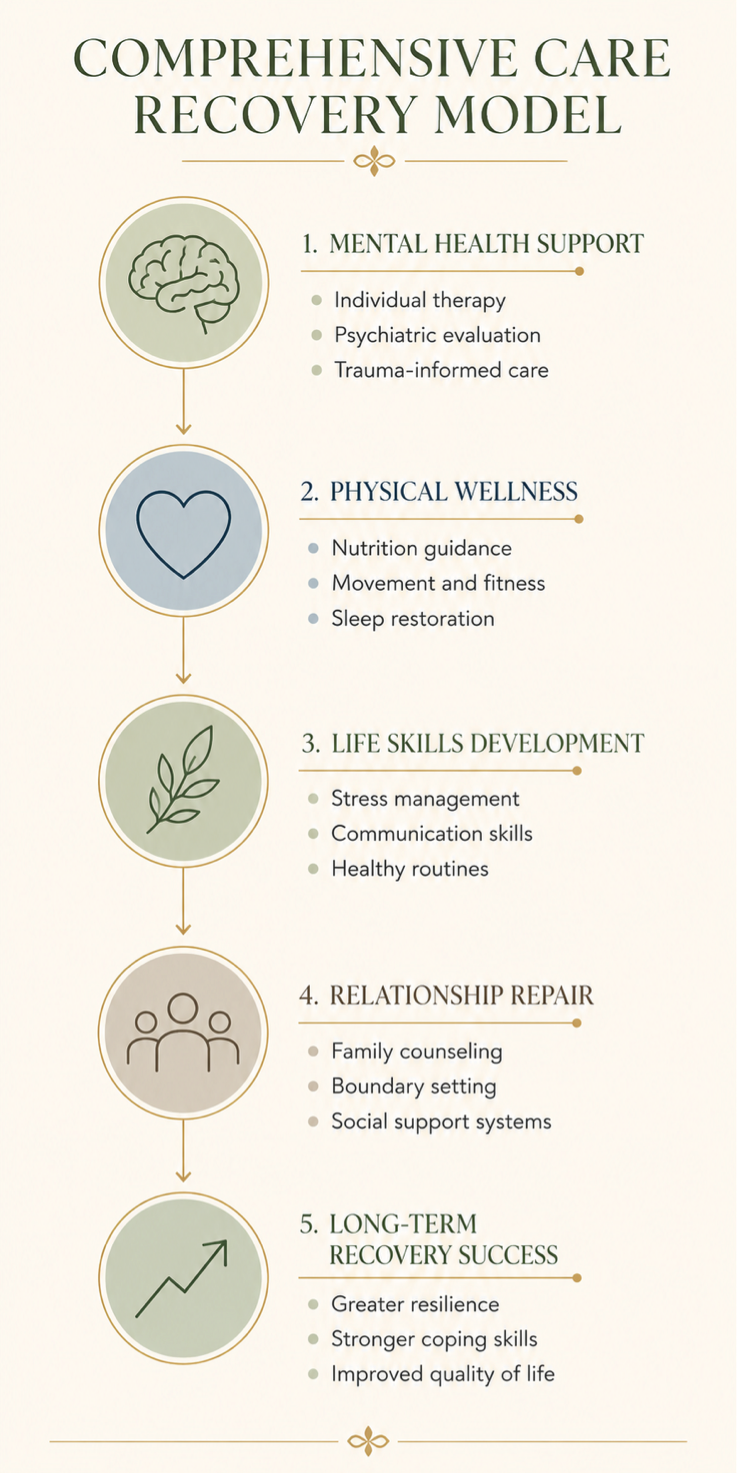
Luxury rehabilitation centers frequently maintain lower patient-to-staff ratios, allowing treatment teams to develop highly individualized care plans. Rather than relying on standardized programming alone, these facilities often incorporate psychiatric evaluation, medication management, trauma-informed therapy, family counseling, nutritional support, and wellness interventions within a coordinated treatment framework.
For physicians making referrals, this level of customization can be particularly valuable when treating patients with complex presentations. The ability to adjust treatment intensity and therapeutic modalities throughout the course of care may support greater clinical flexibility and responsiveness.
The Treatment Environment Matters More Than Many Once Believed
The conversation surrounding recovery environments has changed substantially over the past decade. Earlier treatment models often focused almost exclusively on counseling, group therapy, and abstinence-based goals. Today, many clinicians acknowledge that physical surroundings can influence emotional regulation, stress levels, sleep quality, and treatment participation.
Research across behavioral health disciplines continues to demonstrate the impact of environmental factors on psychological well-being. This growing recognition has elevated discussions about the role of the environment in rehab when physicians evaluate treatment options. Natural settings, reduced noise, private accommodations, outdoor therapeutic spaces, and opportunities for reflection may help patients maintain focus during a vulnerable stage of recovery.
For individuals experiencing significant anxiety, depression, trauma-related symptoms, or professional burnout alongside substance use concerns, these environmental factors may support treatment adherence and emotional stability. While the environment alone does not produce recovery, it can strengthen the effectiveness of evidence-based clinical interventions delivered within that setting.
Integrated Mental Health Services Reflect Current Clinical Thinking
The distinction between addiction treatment and mental health treatment continues to narrow. Many patients entering rehabilitation present with co-occurring psychiatric conditions that require simultaneous intervention. Treating substance use disorders without addressing depression, anxiety disorders, post-traumatic stress disorder, bipolar disorder, or other mental health concerns can limit long-term success.
Many luxury facilities have invested heavily in integrated behavioral healthcare models. Psychiatrists, therapists, medical providers, and case managers often collaborate within a unified treatment team. This structure allows clinicians to address multiple diagnoses concurrently rather than sequentially.
From a referral standpoint, integrated care reduces fragmentation and improves communication among providers. Patients benefit from coordinated treatment planning, while referring physicians gain confidence that complex clinical needs are being addressed within a single program.
Aftercare and Continuity of Care Receive Greater Emphasis
Recovery does not end at discharge. Long-term success depends heavily on the support structures established after residential treatment concludes. Increasingly, clinicians evaluate rehabilitation programs based on their approach to continuing care rather than the residential experience alone.
Many luxury centers devote substantial resources to aftercare planning, alumni support, outpatient coordination, recovery coaching, and family engagement. These services can help patients navigate the transition back to everyday life while maintaining accountability and therapeutic support. For physicians concerned about continuity of care, robust discharge planning represents a meaningful advantage. Comprehensive aftercare may help reduce gaps in treatment and encourage sustained recovery efforts over time.
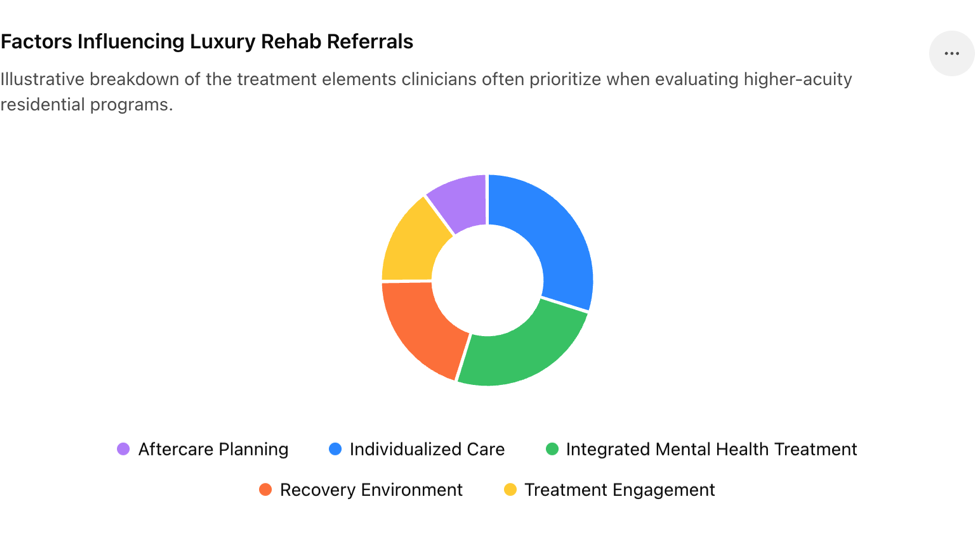
As addiction medicine advances, clinicians are placing greater emphasis on treatment engagement, individualized care, integrated mental health services, supportive environments, and long-term recovery planning. Luxury rehabilitation programs align closely with these priorities, which helps explain why they are increasingly being viewed as a serious clinical option rather than simply a premium alternative. For appropriate patients, these settings may provide conditions that support stronger participation in treatment and better opportunities for lasting sobriety.
A Fresh Start Can Improve Long-Term Outcomes
Successful recovery often depends on momentum. When individuals leave treatment feeling refreshed, motivated, and equipped with practical skills, they are more likely to maintain positive changes.
Traveling for treatment can create a clear dividing line between the past and the future. The journey itself becomes part of the commitment to change. Many people return home with a stronger sense of purpose because they intentionally stepped away from familiar environments to invest in their health.
While luxury accommodations alone do not guarantee success, combining quality clinical care with privacy, personalized attention, and a restorative setting can provide a powerful foundation for lasting recovery.
For many people, traveling for treatment is not about luxury for its own sake. It is about creating the conditions that make meaningful change possible. When distance, privacy, comprehensive care, and personal focus come together, the path toward lasting recovery often becomes much clearer.
Other Articles You May Find of Interest...
- Making Intensive Outpatient Treatment Fit a Working Week
- Making Room for Healthier Choices During Recovery
- The Role of a Sober Companion After Rehab
- 6 Luxury Rehab Centres in India for High-Net-Worth Individuals (2026)
- Naloxone and the Quiet Infrastructure Behind America’s Falling Overdose Numbers
- Why Recovery Housing Reduces Emergency Room Visits, Not Just Relapse Risk
- Is a Chemical-Free Vape Possible? What the Vapor Still Contains





