Your Health Magazine Contributor
4201 Northview Drive
Suite 102
Bowie, MD 20716
More Pain Management & Rehabilitation Articles
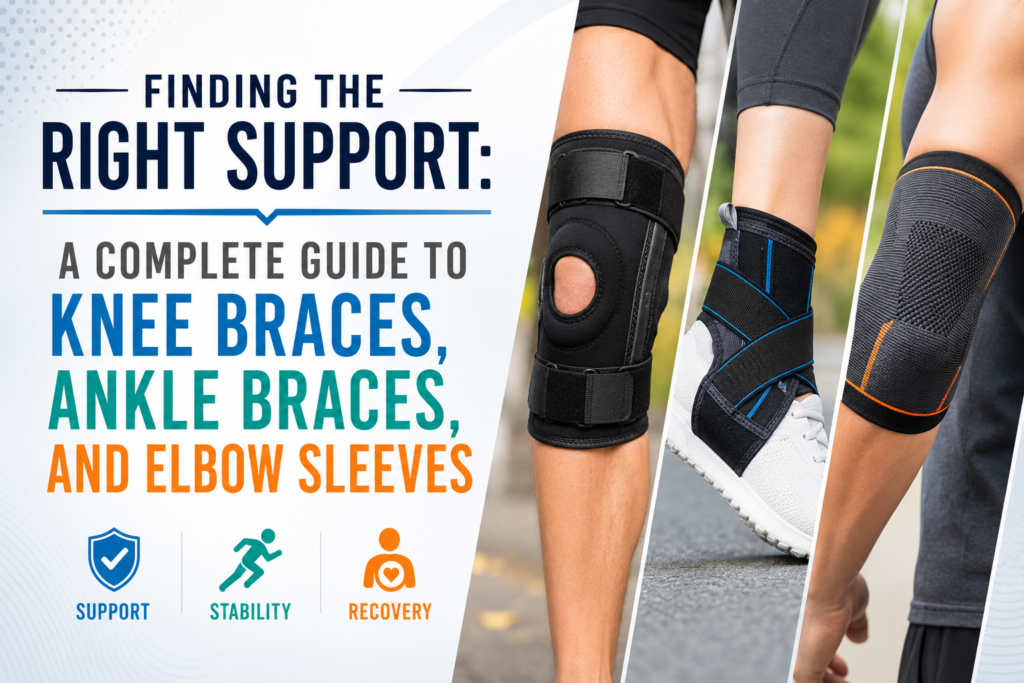
Finding the Right Support: A Complete Guide to Knee Braces, Ankle Braces, and Elbow Sleeves
Introduction
Whether you’re pushing through a long trail run, recovering from a sprain, or simply trying to stay active without the nagging discomfort of an old injury, joint support gear can make a real difference. The challenge isn’t recognizing that you need support — it’s figuring out which type actually suits your situation.
The market is flooded with options, and the differences between products aren’t always obvious from a product page alone. A runner looking for the best knee brace will have different needs than a powerlifter or someone managing chronic knee pain. The same goes for ankle and elbow support.
This guide cuts through the noise. It covers what to actually look for, who benefits most from each type of product, common selection mistakes to avoid, and how one brand rooted in Scandinavian outdoor culture built a product line around real-world demands rather than marketing trends.
Why Joint Support Matters More Than People Think
Most people reach for a brace or sleeve after something goes wrong — a rolled ankle, a flare-up of tennis elbow, a nagging knee that gets worse after a long shift on your feet. That’s understandable. But joint support isn’t just for post-injury management.
Used correctly, compression sleeves and braces serve a preventive role too. They improve proprioception — your body’s awareness of joint position — which can help reduce the risk of awkward landings or missteps, especially during repetitive or high-impact activity. They also improve circulation, which supports warmth and recovery in fatigued muscles.
For athletes, weekend warriors, and people with physically demanding jobs, wearing the right knee support gear proactively is often the smarter play.
Knee Support: More Than Just Wrapping Your Leg
What Makes the Best Knee Brace?
The knee is one of the most complex joints in the body and one of the most commonly injured. Finding the right knee brace means understanding what you’re supporting and why.
There’s a meaningful difference between a simple compression sleeve, a hinged brace, and a patella-stabilizing brace. Each addresses something different:
- Compression sleeves are excellent for general pain management, mild instability, and keeping the joint warm during activity. They suit runners, cyclists, and people who stand for long periods.
- Patella braces focus specifically on kneecap tracking issues, which are common in people who do a lot of stair climbing, squatting, or cycling.
- Hinged braces offer structural support for ligament injuries (ACL, MCL) and are often recommended during rehabilitation or for high-contact sports.
For most recreational users, a quality compression sleeve with good anatomical shaping and targeted support zones will do the job well. The key is fit — a sleeve that bunches behind the knee or slides down after ten minutes of movement isn’t supporting anything effectively.
Ankle Support: Small Joint, Big Consequences
How to Choose the Best Ankle Brace
Ankle sprains are among the most common sports injuries worldwide, and once you’ve had one, the likelihood of reinjuring the same ankle increases significantly. That’s not just about weakness — it’s about the proprioceptive disruption that follows an injury.
Finding the best ankle brace for your needs comes down to the type of activity, the degree of support required, and how much range of motion you want to maintain.
- Lace-up braces provide strong lateral support and are popular with basketball players and those returning from sprains. They’re bulkier but stable.
- Stirrup braces (rigid on the sides) limit side-to-side motion without restricting up-and-down movement. These are often prescribed for moderate sprains.
- Compression sleeves work well for mild support, swelling management, and proprioceptive feedback during everyday activity or light training.
One thing many people underestimate: ankle support gear works best when it fits inside your existing footwear without altering your foot position. If the brace is changing how your foot sits in the shoe, it can shift stress up to the knee or hip — creating new problems rather than solving the original one.
Elbow Sleeves: The Underrated Support Option
Who Actually Needs the Best Elbow Sleeves?
Elbow injuries rarely get the attention that knee and ankle issues do, but they’re surprisingly common — particularly in people who lift weights, work with their hands, or participate in racket sports.
The best elbow sleeves typically serve two overlapping groups:
- Strength athletes and gym-goers who use sleeves for warmth, compression, and proprioceptive support during pressing and pulling movements. Keeping the elbow joint warm during heavy training reduces stiffness and supports consistent movement patterns.
- People managing chronic conditions like tennis elbow (lateral epicondylitis) or golfer’s elbow, where targeted compression around the forearm and elbow reduces tendon stress during repetitive motions.
When selecting elbow sleeves, look for graduated compression (tighter at the forearm, easing toward the upper arm), materials that allow breathability, and a sleeve that doesn’t restrict blood flow when your arm is bent. A sleeve that’s too tight in the wrong place can actually worsen discomfort.
How to Choose the Right Support Product
The Questions You Should Be Asking First
Before scrolling through product listings, answer these three questions:
1. What activity is this for? A brace that works for hiking won’t necessarily work for basketball. The movements, impact levels, and load directions differ significantly.
2. Are you preventing or recovering? Preventive support usually means lighter compression and more freedom of movement. Recovery support often requires more stability, which may mean sacrificing some range of motion.
3. Has a healthcare professional weighed in? For anything beyond mild discomfort or general fitness use, it’s worth getting a physio or sports medicine professional to assess whether your chosen support is actually appropriate for your specific injury or condition.
Common Mistakes When Selecting Support Gear
The most frequent mistake people make is choosing based on looks or price alone. Here’s what actually trips people up:
- Buying the wrong size. Most sizing guides are based on circumference measurements, not just “small/medium/large.” Measure before you buy.
- Choosing maximum support when you don’t need it. More rigid support means more restriction. If you only have mild swelling, a heavy-duty hinged brace may actually impair your movement and slow recovery.
- Ignoring the activity context. A brace that works brilliantly in the gym may be completely impractical during a multi-hour hike.
- Forgetting about breathability. Wearing a non-breathable sleeve for extended periods causes skin irritation and discomfort, which leads to people simply not wearing it — defeating the purpose.
Benefits of Support Gear Across Different Contexts
Sports and Fitness
In a training context, support gear helps maintain consistent movement mechanics, reduces the distraction of minor discomfort, and provides reassurance during high-load movements. That last point is more important than it sounds — confidence in a joint often directly affects performance.
Injury Recovery
Post-injury, the goals shift. Compression reduces swelling. Stabilization limits the range of motion that risks re-injury. Proprioceptive feedback helps retrain movement patterns that may have been disrupted. A good brace during recovery isn’t a crutch — it’s a tool.
Daily and Occupational Use
People who stand on hard floors for hours, carry heavy loads, or perform repetitive overhead work often accumulate joint stress over years. Light compression sleeves worn during work shifts can meaningfully reduce end-of-day discomfort and support long-term joint health.
Conclusion
The right joint support product isn’t the most expensive one or the most technical-looking one. It’s the one that fits correctly, suits your specific activity, and addresses what your body actually needs — whether that’s general compression, lateral stability, or post-injury rehabilitation.
Finding the best knee brace, best ankle brace, or best elbow sleeves comes down to asking the right questions before you buy, not just after you’ve already had a bad experience. Fit, function, and context should drive every decision.
Other Articles You May Find of Interest...
- Treating a Pinched Nerve in the Lower Back
- Treating Knock Knees in Adults: Exercise, Bracing, and Surgery
- Why Radiofrequency Ablation Might Be Your Answer to Chronic Neck and Back Pain
- When Headaches Become Chronic: Knowing When to See a Pain Specialist
- Why Your Knee Won’t Bend and What Can Restore Motion
- Is My Thumb Broken or Sprained? Signs That Can Help You Tell
- Why Does My Back Hurt When I Stand Up Straight?