More Vision & Eye Care Articles
Why a Regular Eye Test Is More Important Than Most People Realise
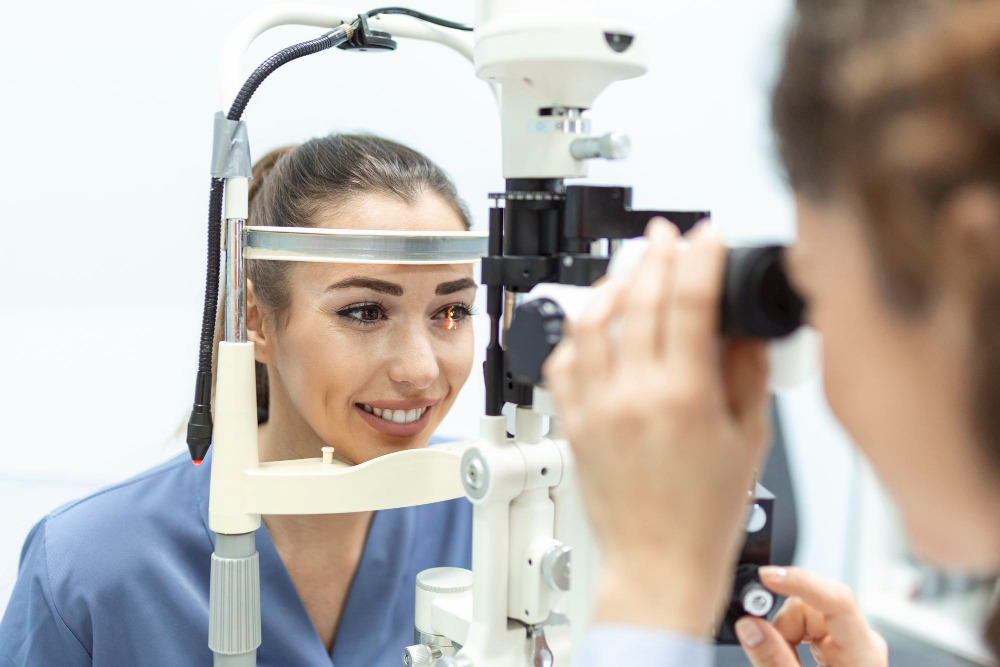
Most people only book an eye test when something goes wrong. Vision starts to blur, headaches become frequent, or reading a menu at arm’s length stops being something they can laugh off. By that point, the problem has usually been developing quietly for months, sometimes longer.
The eye test is one of the most underused health appointments available. It takes around half an hour, it is widely accessible, and it catches things that have nothing to do with whether you can read a chart on a wall. Understanding what actually happens during a proper eye checkup changes the way most people think about booking one.
What an Eye Test Actually Covers
There is a common assumption that an eye test is just about finding out whether you need prescription glasses or updating an existing prescription. That is part of it, but it is a fairly small part of what a trained optometrist does during a full examination.
A thorough eye checkup typically includes:
- Visual acuity testing, which is the standard chart reading most people are familiar with
- Eye pressure measurement to screen for glaucoma
- Examination of the retina and optic nerve at the back of the eye
- Checking the health of the cornea, lens, and surrounding structures
- Assessment of how well both eyes work together and focus at different distances
- In some practices, retinal photography to create a baseline image for comparison over time
Several of these checks are looking for conditions that develop without any noticeable symptoms in the early stages. That is precisely what makes regular testing valuable rather than just waiting until vision changes become obvious.
Eye Conditions That Are Caught Early Through Testing
Some of the most serious eye diseases progress slowly and silently. By the time a person notices something is wrong, the window for the most effective treatment has sometimes already narrowed.
Glaucoma is the clearest example of this. It is caused by a build-up of pressure inside the eye that gradually damages the optic nerve. Most people with glaucoma in its early stages have no symptoms at all. The peripheral vision that glaucoma erodes first is something the brain compensates for so effectively that many people do not notice the loss until it is significant. Early detection through routine eye pressure checks is the primary way this condition is caught before permanent damage occurs.
Age-related macular degeneration affects central vision and becomes more common after the age of fifty. Again, early changes are not always obvious to the person experiencing them, but they are visible to an optometrist examining the back of the eye.
Diabetic retinopathy affects the blood vessels in the retina and is one of the leading causes of vision loss in working-age adults. People with diabetes are advised to have annual retinal examinations specifically for this reason, but the signs are sometimes picked up in routine eye tests in people who were not previously aware they had diabetes.
Cataracts develop gradually and are entirely treatable when identified at the right stage. Regular monitoring means the timing of any intervention can be properly planned rather than rushed.
None of these conditions announce themselves obviously in their early stages. That is the core argument for not waiting until something feels wrong.
How Often Should You Have an Eye Test?
The general guidance from most eye care bodies in the UK is every two years for adults with no existing conditions or risk factors. That drops to annually for:
- Adults over 60
- Anyone with diabetes or a family history of glaucoma
- People who already wear contact lenses or prescription glasses
- Children, who should be tested more frequently during the years when vision is still developing
Contact lens wearers have a particular reason to keep up with regular appointments. Contact lenses sit directly on the eye surface and require a valid, current contact lenses prescription to be fitted correctly. An outdated prescription does not just mean suboptimal vision. It can contribute to discomfort, dryness, and in some cases, corneal changes that develop quietly over time. Annual checks for lens wearers are standard practice for good reason.
The Link Between Eye Health and General Health
This is the part that surprises most people. The eye is the only place in the body where blood vessels can be examined directly without any invasive procedure. That makes a retinal examination during an eye checkup one of the few opportunities a clinician has to observe the vascular system in real time.
Signs visible during an eye examination have been linked to:
- High blood pressure, which causes characteristic changes in retinal blood vessels
- Diabetes and pre-diabetes, visible through changes in the retinal vasculature
- High cholesterol, which can produce visible deposits in the blood vessels of the eye
- Multiple sclerosis, which sometimes presents first through changes in optic nerve function
- Certain types of tumour, which can produce pressure changes or visual field effects
It is not an exhaustive diagnostic tool, but it is a meaningful one. There are documented cases of people leaving an eye checkup with a referral for a condition they had no idea they were at risk for.
Prescriptions, Contact Lenses, and Staying Current
Beyond the health screening, keeping a current prescription matters practically. Vision changes gradually and many people adapt without fully realising how much their sight has shifted. Driving on an outdated prescription is a safety issue. Working long hours on screens with uncorrected or undercorrected vision is a direct contributor to eye strain and headaches that could be avoided.
For contact lens wearers, the contact lenses prescription is not automatically the same as a glasses prescription. The two involve different measurements, and a proper contact lens fitting includes assessing how a lens sits and moves on the eye, not just the power correction required. Buying contact lenses using an old or incorrect prescription is something most reputable retailers will flag, and for good reason.
The Practical Part
Booking an eye test is straightforward. Most high street opticians offer appointments within a reasonable timeframe, and many offer free or subsidised testing for children, NHS patients, and people over 60. Some workplaces cover the cost for employees who use screens regularly as part of their job.
The two-year mark comes around faster than most people expect. If you cannot remember when you last had a proper eye checkup, that is probably the most reliable sign that it is time to book one.
A Final Thought
Eye health sits in an odd place in the way most people think about their health. It does not feel urgent until it is. But the conditions that matter most are exactly the ones that develop without urgency, quietly, over years, in a way that makes routine monitoring genuinely protective rather than just precautionary.
Half an hour, every two years, looking after something you use every waking moment of your life. It is a reasonable investment by any measure.
Other Articles You May Find of Interest...
- 7 Signs Your Child Needs a Pediatric Eye Doctor Right Away
- Finding the Best Place for Dry Eye Therapy Treatment in North York
- The First Signs of Pink Eye and What to Do Next
- How to Measure Your Pupillary Distance With a Ruler
- Beyond Cataract Surgery: A Midyear Review of Changing Eye Care
- Ortho-K for Children: What Parents Should Know About Myopia Management
- Eyelashes Growing Every Which Way: Causes and Fixes