






More Women's Health & Beauty Articles
Why Every Busy Mom Needs a Hands Free Breast Pump
Breastfeeding is one of the most rewarding parts of early motherhood, but it can also be one of the most demanding. Between caring for your newborn, managing household responsibilities, and possibly returning to work, finding time to sit still and pump feels like an impossible task. Traditional breast pumps require you to hold flanges in place, tethering you to one spot for every session. A hands free breast pump changes that equation entirely. It gives you the freedom to move, work, and care for your family while still providing your baby with the nutrition they need. Whether you are a working professional, a stay-at-home mom juggling multiple children, or someone who simply wants more flexibility in their pumping routine, going hands free can transform a stressful daily task into something manageable and even seamless.
What Makes a Hands Free Breast Pump Different
A hands free breast pump is designed to fit directly inside your bra, eliminating the need for external tubes, cords, or handheld flanges. Unlike traditional pumps that require you to sit in one position and manually hold each component, a wearable pump sits securely against your body and operates independently. This means you can walk around your home, prepare meals, type on your laptop, or hold your baby while the pump does its work quietly and discreetly.
The core technology behind these pumps involves a compact motor housed within a self-contained unit. Milk collects directly into an attached container, so there are no bottles dangling or tubes to manage. Most modern hands free breast pumps offer multiple suction modes and intensity levels, allowing you to customize each session to match your comfort and milk flow. The result is a pumping experience that fits into your life rather than forcing your life to pause around it.
How Going Hands Free Benefits Your Daily Routine
Multitasking Without Compromise
The most immediate benefit of a hands free breast pump is the ability to multitask. Pumping sessions typically last between fifteen and thirty minutes, and most mothers pump several times per day. That adds up to hours spent stationary with a traditional pump. With a wearable option, those hours become productive time. You can respond to emails during a work break, read a book to your toddler, fold laundry, or even take a short walk. The freedom to move and engage in normal activities reduces the mental burden that many mothers associate with pumping.
Discreet Pumping Anywhere
Another significant advantage is discretion. A hands free pump fits entirely within your clothing, making it possible to pump in shared spaces without drawing attention. For working mothers who pump at the office, this means fewer awkward interruptions and more flexibility about when and where sessions happen. You are no longer confined to a dedicated pumping room. Many mothers report feeling less self-conscious and more confident about maintaining their pumping schedule when they can do it discreetly, whether at a coffee shop, during a commute, or in a meeting room.
Reduced Physical Strain
Holding flanges against your body for extended periods can cause shoulder tension, wrist fatigue, and general discomfort. A wearable pump eliminates this strain entirely. The unit stays in place through your bra’s natural support, distributing weight evenly and allowing your hands, arms, and shoulders to rest. For mothers recovering from childbirth or dealing with conditions like carpal tunnel syndrome, this physical relief is not just convenient but essential for sustainable long-term pumping.
Choosing the Right Hands Free Breast Pump for Your Needs
Suction Strength and Modes
Not all hands free pumps deliver the same suction power. Look for a pump that offers both stimulation mode and expression mode. Stimulation mode mimics the fast, light suckling pattern that triggers letdown, while expression mode provides deeper, slower suction to draw out milk efficiently. Having multiple intensity levels within each mode lets you fine-tune the experience to your body’s response on any given day. Some mothers find their ideal settings change over time, so adjustability matters more than raw power alone.
Fit and Comfort
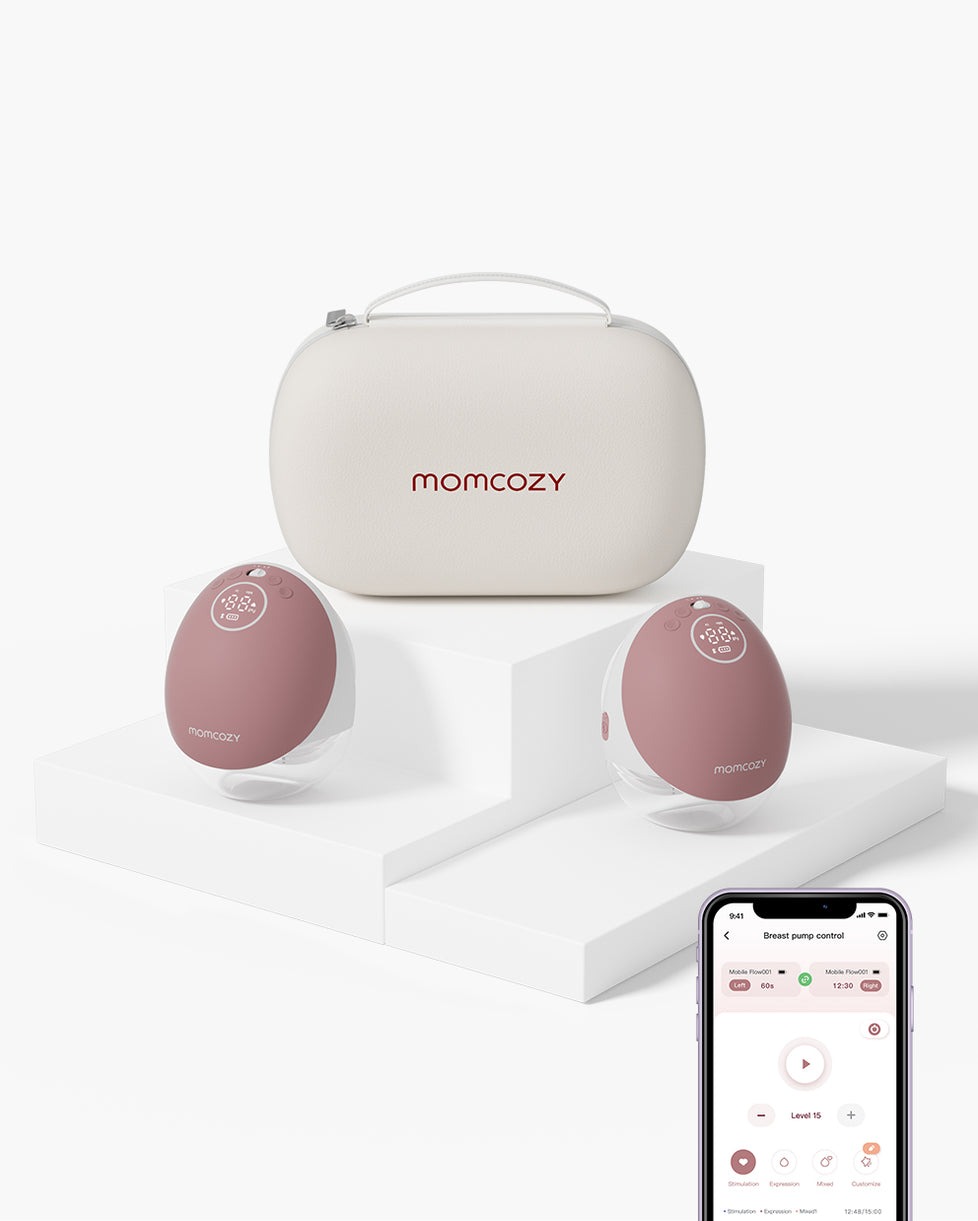
A proper fit is critical to both comfort and milk output. Flanges that are too large or too small can cause pain, reduce suction efficiency, and even lead to clogged ducts over time. Many brands now offer multiple flange sizes or flexible inserts that adapt to different breast shapes. When evaluating options, consider how the pump sits within your bra. It should feel secure without excessive pressure, and the weight should be balanced enough that it does not pull or shift during movement. Manufacturers such as Momcozy have introduced wearable pump designs that prioritize fit and comfort for pumping mothers.
Battery Life and Portability
Since the whole point of a hands free pump is mobility, battery life matters significantly. A pump that dies mid-session is frustrating and counterproductive. Look for models that offer at least three to four full sessions on a single charge. Consider the charging method as well. USB-C charging is now standard and means you can top up from a laptop, car charger, or portable battery pack. The overall size and weight of the unit also affect portability. A lighter pump disappears more easily under clothing and causes less fatigue during longer sessions.
Common Concerns About Wearable Breast Pumps
Some mothers worry that hands free pumps cannot match the suction power of traditional hospital-grade models. While it is true that the most powerful medical pumps still produce higher maximum suction, modern wearable technology has closed this gap considerably. Many mothers achieve comparable output once they find their optimal settings and establish a consistent routine. The key is allowing your body to adjust over the first few sessions rather than judging results immediately.
Noise is another common concern. Early wearable pumps could be audible in quiet rooms, but current models have improved significantly in this area. Most produce only a soft hum that is difficult to detect under clothing, even in close quarters. If discretion during meetings or public settings is a priority, check user reviews specifically mentioning noise levels in real-world scenarios rather than relying solely on manufacturer claims.
Cleaning and maintenance also come up frequently. Because wearable pumps have fewer parts than traditional setups, cleaning is often simpler and faster. Most units disassemble into just a few components that can be rinsed quickly between sessions and thoroughly washed once or twice daily. The enclosed design also means fewer opportunities for milk to contact surfaces that are difficult to reach and sanitize.
Tips for Getting the Best Results
Maximizing your output with a hands free breast pump comes down to consistency and technique. Pump at the same times each day to establish a reliable supply signal for your body. Ensure the flange is centered correctly before starting each session, as even slight misalignment can reduce efficiency and cause discomfort. Use the stimulation mode for the first two minutes to trigger letdown before switching to expression mode for the remainder of the session.
Stay relaxed during pumping. Stress hormones can inhibit milk flow, so the ability to move freely and engage in calming activities is actually a functional advantage of hands free pumping, not just a convenience. Some mothers find that looking at photos of their baby or listening to calming audio helps improve output. Keep yourself hydrated and well-nourished, as these basics support milk production regardless of your pump type. Finally, track your sessions and output over time rather than obsessing over individual results. Natural variation is normal, and trends matter more than any single session.
Making Pumping Work on Your Terms
A hands free breast pump is not just a gadget. It is a practical solution to one of the most time-consuming challenges of early parenthood. By freeing your hands and giving you the ability to pump anywhere, it removes barriers that cause many mothers to reduce or abandon pumping earlier than they planned. Whether you need to maintain supply while working full time, keep up with a demanding household, or simply reclaim some personal freedom during those intense early months, the right wearable pump makes it possible. The technology has matured to the point where comfort, suction performance, and discretion are no longer tradeoffs but standard expectations. Investing in a pump that fits your lifestyle means investing in a sustainable breastfeeding journey that works for both you and your baby.
Other Articles You May Find of Interest...
- The Science Of Firmer, More Radiant Skin
- How Acupuncture Supports Women’s Health
- Women and Gorgeous Smiles
- The Forgotten Pillar Of Total Wellness
- Menopause at Work: Why Women’s Health Is Becoming a Workplace Issue
- Heavy Menstrual Bleeding: Common Causes, Warning Signs and When to See a Gynecologist
- Low Albumin During Pregnancy: Common Causes and When It Matters





