






More Vision & Eye Care Articles
Glare, Headaches and Fatigue: When Your Eyes Are Telling You Something Is Wrong
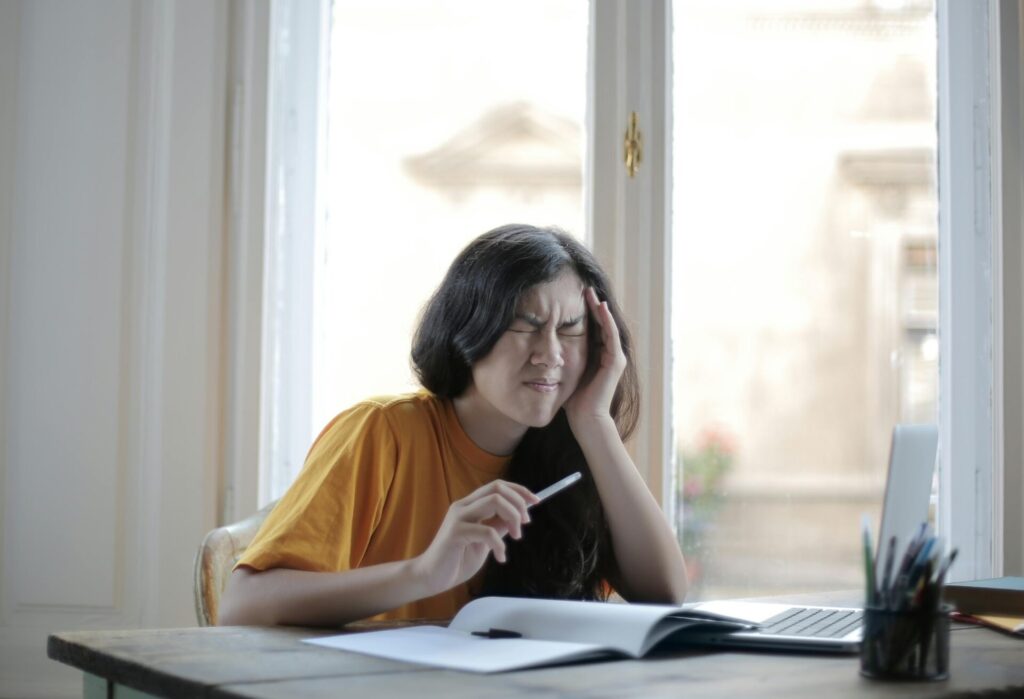
Bright rooms, reflective screens, headlights that feel sharper than they should, especially during long commutes or evening driving conditions, most people push through it without thinking twice. But when glare starts leading to headaches and ordinary light begins to feel like too much, it usually isn’t just “a long day” anymore.
For some, it builds slowly. A bit of squinting here, a dull headache there, a growing sense of tired eyes that never fully reset. For others, it feels immediate, almost like certain environments are suddenly harder to tolerate than they used to be. Either way, recurring discomfort is worth paying attention to, especially when it follows a pattern tied to brightness.
Light sensitivity is often overlooked because it blends into everyday life. People assume they are just stressed, not sleeping enough or spending too long on screens. But when light consistently triggers discomfort, the eyes may be responding to something more specific, sometimes linked to visual overload and environmental strain.
When everyday light starts feeling like too much
At first, it’s easy to ignore. You might notice yourself turning away from windows or feeling relief the moment you step into a darker room. Over time, those small reactions become harder to dismiss.
Common experiences include:
- Squinting even in normal indoor lighting
- Headaches are building in bright environments
- Eye strain after short screen use
- Feeling physically drained after sunlight or fluorescent lighting
Some people describe it as pressure behind the eyes. Others feel it more as a mental fog that sets in when the lighting is harsh or inconsistent. It’s not always pain in the traditional sense; it can be fatigue that builds faster than expected.
In clinical terms, this is often linked with photophobia, where the visual system becomes overly responsive to light. That response doesn’t always mean something serious is happening, but it does mean his eyes are working harder than they should. And when that effort repeats daily, it stops feeling like a coincidence.
For people exploring management options, light sensitivity glasses are often discussed as a practical way to reduce glare and visual strain while assessing underlying causes.
Why it happens
There’s rarely a single explanation. Light sensitivity tends to sit on top of something else rather than exist on its own. Some common contributors include:
- Migraine conditions that heighten visual response
- Dry eye disease that increases surface irritation
- Past concussion or head injury affecting visual processing
- Long hours of screen exposure without recovery time
- Certain medications that increase light reactivity
- Uncorrected vision issues are causing constant strain
Even environmental habits matter more than people expect. Working under harsh LEDs, switching between dark and bright spaces quickly or using phones in dim rooms can gradually increase sensitivity.
It’s also worth noting that the brain plays a role. Visual processing isn’t just about the eyes; it’s about how light signals are interpreted. When that system is under strain, brightness can feel amplified. That’s why resting alone doesn’t always solve it. You can sleep well and still wake up with the same sensitivity if the underlying trigger is still present.
Finding relief in practical changes and eyewear
Most people start by adjusting their environment before anything else. Small changes often reduce symptoms enough to notice a difference, even if they don’t remove the issue completely.
These can include:
- Lowering screen brightness and avoiding blue-heavy settings
- Taking short breaks during long visual tasks
- Switching to softer and indirect lighting at home or work
- Wearing hats or caps outdoors to reduce direct glare
But when sensitivity becomes consistent, eyewear designed for this specific issue can make a bigger difference.
This is where light-sensitive glasses come into play. Unlike standard sunglasses, they are designed to filter certain wavelengths of light that tend to trigger discomfort. The goal isn’t just to dim everything; it’s to reduce harsh contrast while keeping vision usable in everyday environments.
Some people look specifically for glasses for light sensitivity or light-sensitive eyeglasses when symptoms interfere with work or driving. Others use glasses for photosensitivity in situations where lighting can’t be controlled, like hospitals, offices or public transport.
In more persistent cases, glasses to help with light sensitivity are used as part of a broader management plan, especially when symptoms overlap with migraines or chronic eye strain.
Brands such as Noir Insight focus on this type of eyewear, offering lenses designed for glare reduction and visual discomfort in high-sensitivity conditions. This helps people stay comfortable in environments that normally feel overwhelming.
When it’s time to take it seriously
Light sensitivity on its own isn’t uncommon, but patterns are important. When symptoms repeat in the same conditions or steadily worsen, it’s usually a sign that something deserves a closer look.
It might be time to seek advice if:
- Headaches consistently appear in bright environments
- Reading or screen use becomes difficult even for short periods
- Outdoor light feels painful rather than just bright
- Symptoms are increasingly worsening over time instead of improving
Eye specialists can check for underlying issues like prescription changes, dry eye severity or neurological factors affecting visual response. In some cases, the solution is simple. In others, it involves longer-term management.
It’s also important not to isolate the symptom. Light sensitivity can appear alongside fatigue, stress or other physical conditions, which makes it easy to misread. But when light consistently triggers discomfort, it’s rarely random. Paying attention to when and where symptoms show up often reveals more than the symptom itself.
Finding a workable balance
Managing light sensitivity isn’t always about removing light. It’s about controlling how it is experienced. That balance looks different for everyone.
Some people rely on environmental changes alone. Others combine those adjustments with tools like light sensitive eyes glasses to get through workdays more comfortably. Many use the mix of both, adjusting as symptoms change.
What matters most is not ignoring the pattern. When glare leads to headaches and everyday lighting starts affecting energy levels, the eyes are usually signalling strain that shouldn’t be overlooked.
With the right adjustments, and in some cases supportive eyewear like glasses for light sensitivity or glasses for photosensitivity, it’s often possible to reduce discomfort enough to function normally again, without constantly working against your environment.
Other Articles You May Find of Interest...
- 7 Signs Your Child Needs a Pediatric Eye Doctor Right Away
- Finding the Best Place for Dry Eye Therapy Treatment in North York
- The First Signs of Pink Eye and What to Do Next
- How to Measure Your Pupillary Distance With a Ruler
- Beyond Cataract Surgery: A Midyear Review of Changing Eye Care
- Ortho-K for Children: What Parents Should Know About Myopia Management
- Eyelashes Growing Every Which Way: Causes and Fixes





