More Senior Health Articles
9 Tips to Support Healthy Aging and Independent Living at Home
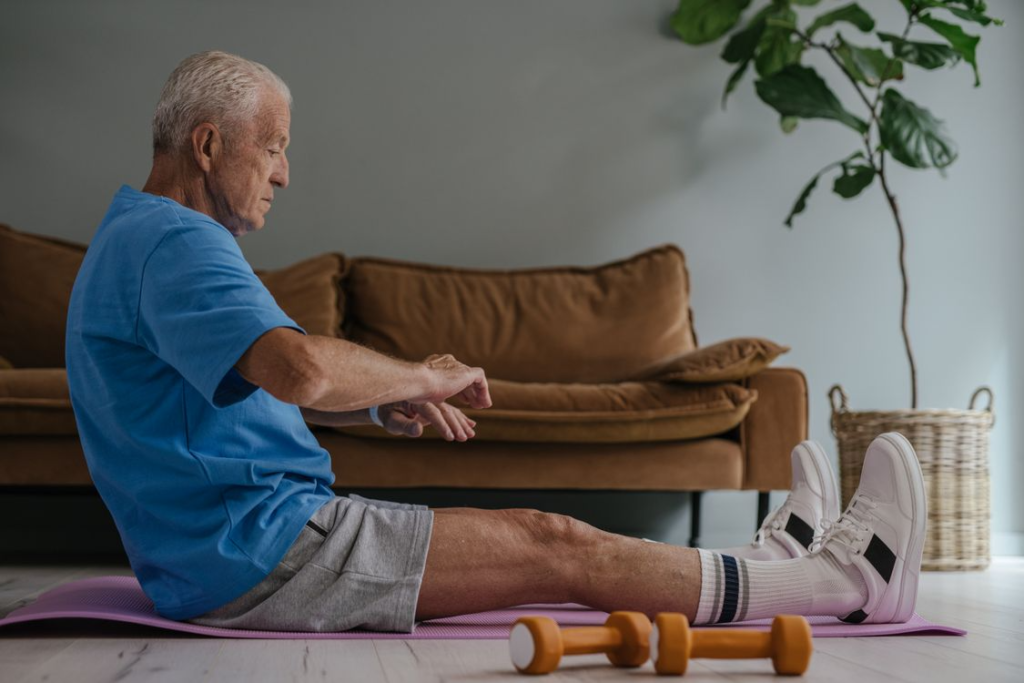
Photo by SHVETS production onPexels
As you grow older, you want to be in a familiar place with people you know and routines. While nursing homes and assisted living facilities can provide valuable care, many seniors prefer to remain in their own homes.
However, as you age, you may not be able to do certain tasks as easily as before due to changes in mobility, strength, and overall health. You may need support from others, make some modifications, and adapt to the right lifestyle to help maintain your independence and well-being. Here are some tips to support healthy aging and independent living at home.
Stay Active
Engaging in physical activity is essential for anyone aiming for a healthy life. Doing so regularly will give you enough strength, flexibility, balance, and endurance to complete daily activities. Being active, even at low-to-moderate levels, will give you better mobility and lower your chances of having a fall. Here are some exercise options to consider:
- Walking
- Yoga
- Gardening
- Swimming
You do not necessarily need an intense workout. Regular physical activity is usually enough to keep you healthy. It can improve your chances of living longer.
Make the Home Safe
Many accidents that occur with seniors are from the unsafe nature of the home. When your mobility and balance are decreased, a seemingly safe home environment can become unsafe.
Making small improvements like installing more light sources to illuminate dark areas, removing tripping hazards, installing grab bars, and keeping frequently used items at easy-to-reach locations will help keep day-to-day living a little bit safer and easier for seniors. Safety improvements will promote confidence and independence for a long period.
Eat Healthily
Proper nutrition is significant in feeding your immune system, sustaining energy levels, retaining your existing muscle mass, and reducing the risk of chronic diseases. Your nutritionist can help you develop a balanced eating plan that meets your changing nutritional needs.
Eating a balanced diet that includes fruits, vegetables, lean proteins, whole grains, and healthy fats ensures your body receives all the necessary nutrients to keep you overall healthy. Drinking enough water is also important because a lack of proper hydration can cause fatigue, confusion, and other health issues.
Stay Connected to Others
Connecting with friends and family, engaging in social activities, and being part of your local community are all essential components for aging healthily. Having strong relationships with those around you helps to stave off feelings of loneliness while also providing emotional support. You can stay connected with others through:
- Regular phone calls
- Video chats
- Community events
- Volunteer opportunities
- Local clubs
Social interactions, in general, continuously contribute toward better mental well-being and a feeling of belonging. Being socially active and engaged can also allow older adults to remain active members of their communities.
Keep the Mind Engaged
Mental stimulation plays an important role in maintaining cognitive health. As you get older, you might need to engage in activities that offer stimulation to your brain.
You are likely to improve your cognitive development by reading books, completing puzzles, learning new hobbies, and taking classes. Always go for options that help you learn new things, think creatively, solve problems, and improve memory.
Embrace the Use of Technology
Different types of technology help promote independent living for older people. These technologies include devices that remind you to take medications correctly and on schedule, devices that help track your health in real time, and video calls with family members.
Online shopping and delivery services are also making it easier for seniors to access food, medications, and household essentials. It reduces the need for frequent trips to run errands.
Telemedicine platforms allow you to consult with your doctor without leaving your home. This is usually helpful for routine checkups, follow-ups, and managing chronic conditions, saving time and reducing travel-related stress.
Some home devices, voice assistants, and emergency alert systems also promote convenience and provide added peace of mind. Choosing user-friendly apps is essential as it ensures ease of use and reduces frustration.
Establish a Strong Support Network
Being an independent person does not mean that you have to manage every single day of your life by yourself. In fact, having a good support network of relatives, friends, neighbors, and skilled professionals allows older adults to receive help whenever they need it, while maintaining a sense of independence and self-reliance.
A lot of families choose to hire a companion for elderly loved ones. This is particularly important if the person provides them with companionship, transportation assistance, errands, and daily activity assistance. Regular companionship can also help an older relative’s emotional health.
Stay Proactive with Your Health
Preventing illness before it becomes a reality is a critical part of promoting healthy aging for all people. Regularly scheduled visits for physical exams allow doctors and other health care providers to find any potential issues that may arise as you age. From there, they will recommend treatment options that match your lifestyle and needs.
Routine screenings for blood pressure and cholesterol, vision and hearing tests, reviewing prescriptions, and vaccinations contribute to maintaining independence and health in elderly individuals. By continuing to take proactive preventative care, you can remain active and engaged enough to continue living a normal life.
Establish a Routine and Daily Structure
Having a consistent daily routine doesn’t always come to mind when thinking about healthy aging. Having structure in your day creates a feeling of stability and decreases the amount of stress you’re feeling.
It can help older adults manage their energy levels throughout the day more effectively. Developing small habits, such as sleeping and waking up at the same time every day, planning what you’re going to eat, and using a reminder to take medication, will make your daily life seem much more manageable.
The Benefits of Planning Ahead
Making plans for your loved one’s independence will make the process much easier for the entire family. Start by evaluating current needs, lifestyle, and overall health. Consider also things like mobility, medical conditions, and the level of support they may need. This allows families to identify potential challenges before they become a big issue. It also gives everyone enough time to explore suitable solutions.
It is good to discuss preferences regarding living arrangements, healthcare decisions, and financial planning. Having these conversations together will ensure your loved one is understood, supported, and respected.
Endnote
Your independence does not have to go away because you are aging. It just may take different forms. The combination of being active, eating well, and having a safe place to live plays a crucial role. Making good choices about how you live your life today will enable your house to remain an important, secure, and empowering place where you can live for many more years.
Other Articles You May Find of Interest...
- Seven Benefits Of SpecializedIn-Home Care For Changing Needs
- How Nature Can Support a Healthier Retirement Lifestyle
- Balancing Independence and Safety as Care Needs Change
- Moving to an Independent Senior Apartment: What Active Adults Can Expect
- Seen and Unheard; Elder Abuse
- Coping With Cancer In Older Adults
- The Number Families Should Ask About Before Touring a Nursing Home for a Parent