More Senior Health Articles
How Home Accessibility Modifications Support Healthy Aging in Place
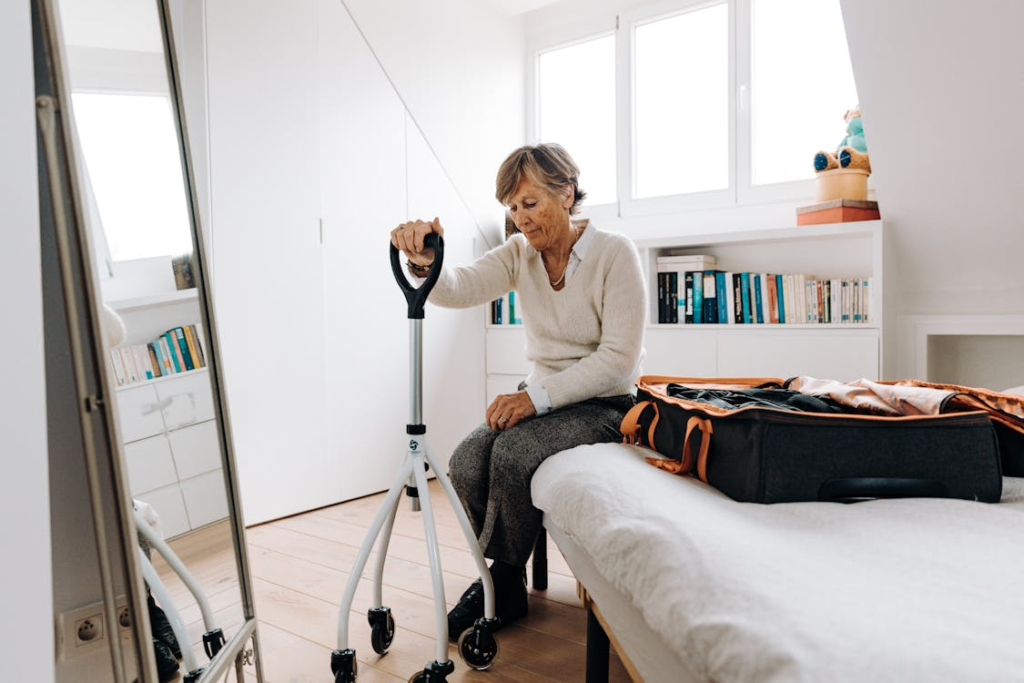
Want to stay in your own home as the years tick by?
You are not alone in this. Most seniors want to live independently in their own home for as long as possible. The issue? Most homes were not designed with mobility in mind.
That’s where home accessibility modifications change everything.
The right upgrades can:
- Prevent serious injuries
- Protect independence
- Save thousands in long-term care costs
- Keep the family home usable for decades
Find out specifically how smart home adaptations, like the mobility stair lift, allow seniors to age in place safely.
Let’s get into it!
Here’s what’s inside:
- Why Aging in Place Matters
- The Real Cost of an Unsafe Home
- Top Home Accessibility Modifications
- How to Start Planning Your Upgrades
Why Aging in Place Matters
Aging in place is the goal for most seniors today.
Why? Because home is where you’re comfortable. Home is where your memories are kept. Home is where you can still feel independent. Studies show 77% of adults ages 50+ would rather age in place in their current home than move into a senior living community.
But here’s the catch…
Most homes were not designed with older bodies in mind. Climbing stairs, tile floors in the bathroom, and even doorways can create a home obstacle course.
The good news? That same home can be transformed.
Smart accessibility updates allow you to age safely in place throughout your lifetime – without relocation, without assisted living, without drastic life changes.
The Real Cost of an Unsafe Home
Falls are the biggest safety risk for older adults at home.
The CDC reports that 1 in 4 older adults experiences a fall every year. But falls are more than just frightening. They’re:
- Expensive (hospital bills, surgery, rehab)
- Life-changing (broken hips, head injuries)
- Often the trigger for moving into assisted living
The home is where the majority of falls occur. Specifically, bathrooms and stairs.
Think about that for a second.
Making these two areas safer with basic accessible design changes can reduce your risk drastically. There is no need to remodel your entire home – just focus on these high-risk areas. After one fall, your chances of falling again double.
Top Home Accessibility Modifications
Now on to the updates that make the biggest impact. These are changes that give you many decades of safer, easier living.
Install A Stair Lift
A stair lift is one of the most crucial accessibility additions to make to a two-story house with elderly occupants. It transports people upstairs and downstairs while they are seated. This prevents the risk of falling every day and allows seniors to enjoy their whole house instead of being confined to one level.
Perhaps no area of the home poses greater risk for seniors than stairs. Going up requires strength. Going down requires balance. Both become more difficult with age – and one wrong step can lead to a shattered hip.
Why a stair lift works so well:
- Removes the biggest fall hazard in two-story homes
- Lets seniors keep their existing bedroom and living spaces
- Installs without major remodeling
- Works on both straight and curved staircases
For most two-story homes, this is the single highest-impact upgrade you can make.
Bathroom Safety Upgrades
The bathroom is the second greatest hazard area. Slippery floors, wet tubs and low toilets equal disaster. Adults without physical limitations still slip in the shower – much more often for seniors.
Smart bathroom upgrades include:
- Grab bars near the toilet and shower
- A walk-in shower with a built-in bench
- Non-slip flooring
- A raised toilet seat
- A handheld showerhead
They are inexpensive, easy to install, and significantly decrease risk of falling. The majority of them can be installed over a weekend with no extensive renovations.
Widen Doorways And Hallways
Restrictive doorways aren’t an issue until you have someone who needs a walker or wheelchair.
Doorways should be widened to at least 36 inches, thresholds should be eliminated to allow for a smooth, level path throughout the house. This also “future proofs” the house – even if mobility becomes limited more severely.
Better Lighting Everywhere
Vision changes over time. What once seemed bright at 50 years old may seem dim at 75.
Swap out your lightbulbs for brighter LEDs everywhere in the house. Put motion-sensor lights in hallways. Float night lights into the bathroom. Proper lighting alone will prevent a massive percentage of falls at night — and this is one of the least expensive upgrades you can make with a huge benefit.
Lever Handles And Pull-Down Shelves
Arthritis makes round doorknobs painful to turn. Reaching for high shelves becomes risky.
Swap knobs for lever handles. Get pull-down shelving for your kitchen. Little fixes like these can radically improve day-to-day tasks on your joints as you age — and they won’t break the bank.
Ramp Or Step-Free Entry
A single step at the front door can become impossible with a walker.
A sloped entrance or no-step entrance allows the home to remain accessible with any future equipment needs. It’s nice to have on snowy or rainy days too!
How To Start Planning Your Upgrades
Feeling overwhelmed? Don’t be.
You don’t need to make all of your aging-in-place renovations at the same time. The best strategy is to plan ahead and prioritize the most critical projects.
Start with these three steps:
- Conduct a home safety walk-through. Check for fall hazards – loose rugs, poor lighting, slick surfaces and stairs.
- Concentrate on stairs and bathrooms. These are the two riskiest rooms in nearly every home.
- Phase the work. Do the urgent tasks first. Postpone larger tasks (such as enlarging doorways) until later.
Plus it doesn’t have to cost a lot of money. Lots of small projects can be completed in an afternoon for less than a few hundred dollars. Larger projects can even pay for themselves within one year by preventing just one fall. One hospital stay can cost more than an entire bathroom remodel and a quality stair lift.
The earlier you start, the smoother the transition.
Bringing It All Together
Home accessibility modifications are how you turn a family home into a forever home.
The right additions to your home – including grab bars and a mobility stair lift – help older adults live safer, easier and more independently. They can also save you money in the long term by preventing costly accidents and postponing (or eliminating) the need for assisted living.
To quickly recap:
- Falls are the biggest risk and most happen at home
- Stairs and bathrooms need the most attention
- Lever handles, lighting, and ramps make a huge difference
- Start with a safety walk-through and phase the upgrades
Aging in place is more than living in your home. It’s about living safely, comfortably, and independently.
Start planning today — your future self will thank you.
Other Articles You May Find of Interest...
- Seven Benefits Of SpecializedIn-Home Care For Changing Needs
- How Nature Can Support a Healthier Retirement Lifestyle
- Balancing Independence and Safety as Care Needs Change
- Moving to an Independent Senior Apartment: What Active Adults Can Expect
- Seen and Unheard; Elder Abuse
- Coping With Cancer In Older Adults
- The Number Families Should Ask About Before Touring a Nursing Home for a Parent