
More Reviews Articles
Quietum Plus Review: Ingredients, Consumer Feedback, and Product Information
Disclosure: This article may contain sponsored content or affiliate links provided by third parties. Publication does not constitute an endorsement by Your Health Magazine.
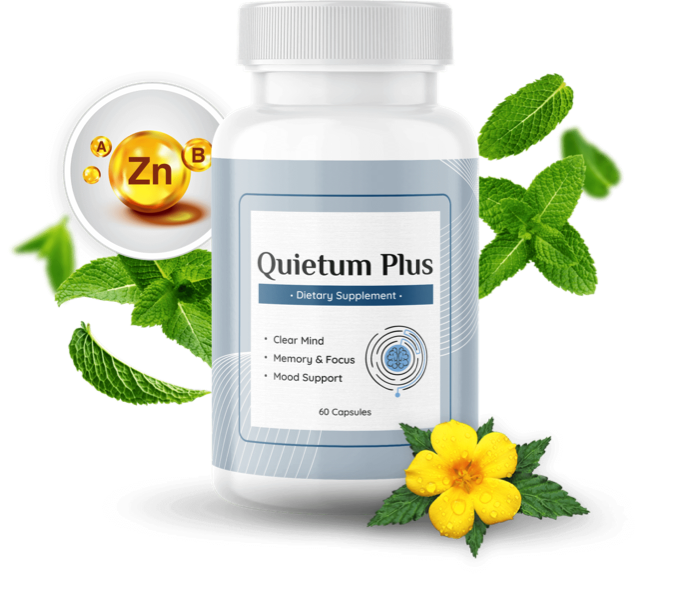
Quietum Plus is a dietary supplement marketed toward adults experiencing tinnitus — a condition characterized by persistent sounds such as ringing, buzzing, or hissing in the ears without an identifiable external source. The product is positioned as a plant-based, multi-ingredient formula intended to support auditory wellness and general ear health.
The supplement is sold in capsule form and is manufactured in a facility that the company states is registered with the U.S. Food and Drug Administration (FDA) and operates under Good Manufacturing Practice (GMP) standards. As with all dietary supplements, Quietum Plus is not subject to FDA pre-market approval for efficacy or safety.
This article presents factual, educational information about Quietum Plus based on publicly available product details and general scientific literature. It is not intended to serve as a recommendation, endorsement, or guide for purchasing decisions. Those seeking information about tinnitus support supplements may find this overview a useful starting point for further research.
Tinnitus affects millions — understanding your options starts with asking the right questions.
Understanding Tinnitus: Background Context
Tinnitus is the perception of sound in the absence of an external acoustic stimulus. It is not classified as a disease but rather as a s ymptom, commonly associated with inner ear damage, prolonged noise exposure, age-related auditory changes, cardiovascular conditions, or disruptions in the neural pathways connecting the ear to the brain.
According to the American Tinnitus Association, tinnitus affects an estimated 15% of the global population, with approximately 20 million people in the United States experiencing it on a chronic basis. For some individuals the experience is intermittent; for others it is constant and significantly disruptive. The condition can affect sleep quality, concentration, emotional regulation, and overall quality of life.
Tinnitus is broadly categorized into two types. Subjective tinnitus — the most common form — is audible only to the person experiencing it and is generally linked to changes in auditory nerve activity. Objective tinnitus, which is rare, can sometimes be detected by a clinician and is often associated with vascular or muscular abnormalities near the ear. The vast majority of tinnitus cases fall into the subjective category, making objective measurement and clinical evaluation more complex.
There is currently no universally accepted cure for tinnitus. Management approaches in clinical settings include sound therapy, cognitive behavioral therapy (CBT), tinnitus retraining therapy (TRT), hearing aids, and in some cases medication. The heterogeneous nature of the condition — meaning it can stem from many different underlying causes — means that no single intervention is effective across all cases. This complexity has contributed to broader public interest in adjunctive approaches, including dietary supplements, as part of a wider wellness strategy.
Manufacturer Claims: How Quietum Plus Is Described
According to the product’s manufacturer, Quietum Plus is formulated to address several physiological factors thought to contribute to tinnitus. These claims are promotional in nature and are not independently verified by this overview. The manufacturer describes the formula as targeting:
Auditory nerve support: The product’s marketing materials suggest that certain ingredients are selected to support the health of the auditory nerve and related neural pathways.
Circulatory function: Some ingredients are described by the manufacturer as supporting blood flow, which is associated in general health literature with the maintenance of inner ear function.
Inflammation reduction: Several botanical components are noted for their anti-inflammatory properties in scientific literature, and the manufacturer references this in the product’s positioning.
Nervous system regulation: The inclusion of adaptogenic herbs is described as intended to support the body’s stress response, given the recognized relationship between stress and tinnitus perception.
These are manufacturer-stated rationales. Consumers are encouraged to consult independent scientific literature and a qualified healthcare provider when evaluating such claims.
Listed Ingredients: An Educational Overview
The following is an informational summary of the key ingredients listed on the Quietum Plus label, based on general scientific and botanical literature. This is not an assessment of the product’s effectiveness.
Mucuna Pruriens
Mucuna Pruriens, commonly known as velvet bean, is a tropical legume that has been studied for its neuroprotective and antioxidant properties. It contains L-DOPA, a precursor to the neurotransmitter dopamine. Research into its effects has largely focused on neurological health, though studies specifically addressing tinnitus are limited.
Maca Root
Maca (Lepidium meyenii) is a root vegetable native to Peru with a long history of use in traditional medicine. It is classified as an adaptogen — a category of botanicals associated with supporting the body’s response to physiological and psychological stress. General research suggests possible effects on energy and hormonal balance.
Ashwagandha
Ashwagandha (Withania somnifera) is one of the most studied adaptogenic herbs. Published research has examined its effects on cortisol levels, stress response, and neuroprotection. It is commonly found in supplements targeting stress and cognitive support.
Dong Quai
Dong Quai (Angelica sinensis) is a herb used in traditional Chinese medicine with a historical association with circulatory support. Some traditional references describe it in connection with ear health, though peer-reviewed clinical evidence in this specific context is limited.
Epimedium and Tribulus Terrestris
Both botanicals appear in supplements associated with circulatory and hormonal health. General literature notes antioxidant and anti-inflammatory properties in each, though their relationship to auditory function has not been extensively studied in isolation.
Catuaba Powder and Damiana
These South American botanicals have been referenced in traditional medicine for their effects on the nervous system. Damiana has been associated with nervous system modulation in some herbalist literature. Catuaba is traditionally noted for circulatory and nerve support properties.
L-Arginine
L-Arginine is an amino acid involved in the biosynthesis of nitric oxide, which plays a role in blood vessel dilation and vascular health. Some research has examined the connection between cochlear blood flow and tinnitus, though L-Arginine’s specific relevance to auditory conditions requires further study.
Zinc, Magnesium, and Vitamins A and B
Zinc and magnesium deficiencies have been examined in the context of tinnitus in some observational studies, though findings are not conclusive. Magnesium has been studied for its potential role in protecting against noise-induced hearing changes. B vitamins are broadly associated with neurological function, and Vitamin A is known to support sensory tissue health. The formula also reportedly includes L-Tyrosine, asparagus extract, and sarsaparilla root among its components.
Ginkgo Biloba
Ginkgo Biloba is among the most researched botanicals in relation to tinnitus and cognitive function. It is associated with improved peripheral and cerebral circulation in some studies. Clinical trial results regarding its effect on tinnitus specifically have been variable, and no definitive conclusions have been established in the scientific community.
Hawthorn Berry
Hawthorn berry contains flavonoid compounds associated with antioxidant activity and cardiovascular support. It appears in supplements targeting circulatory health, and its inclusion may be intended to complement other circulation-related ingredients in the formula.
Piperine (Black Pepper Extract)
Piperine is widely used in supplement formulations to enhance the bioavailability of other compounds. Its inclusion is a common formulation strategy rather than a primary active ingredient.
Those interested in the full ingredient list are encouraged to consult the product label directly, as formulations may change over time.
Explore the science behind the ingredients — and decide what the research means for you.
Reported User Feedback: A Balanced Summary
Consumer feedback on Quietum Plus, drawn from publicly accessible review platforms, reflects a range of experiences. No single pattern emerges clearly, and feedback varies considerably depending on the platform, the individual, and the duration of use reported.
Some consumers have described gradual perceived improvements in auditory comfort over extended periods of use. Commonly mentioned observations include reduced nighttime awareness of ringing sounds, improved sleep quality, and a general sense of reduced auditory sensitivity to background noise. These reports are anecdotal in nature and do not constitute clinical evidence of efficacy. The subjective character of tinnitus — in which symptom perception is inherently personal — makes consumer self-reporting particularly difficult to generalize.
Other consumers have reported no discernible change following use. On Amazon, the product carries a rating of approximately 2.6 out of 5 stars based on verified purchases at the time of research. Negative feedback has referenced absence of noticeable effect, mild gastrointestinal discomfort, and concerns related to customer service interactions. Some complaints appear connected to purchases through third-party resellers rather than the manufacturer directly, which may introduce variables related to product storage, handling, or authenticity.
It is also worth noting that placebo effects are a recognized phenomenon in clinical research involving subjective symptoms such as tinnitus. Self-reported improvements in open-label, non-controlled settings — such as consumer reviews — cannot distinguish between pharmacological effects and expectation-based responses. This is not unique to Quietum Plus and applies broadly to consumer supplement reviews.
Consumer reviews represent individual experiences and should not be interpreted as indicative of outcomes for any specific individual. Individuals considering any dietary supplement are encouraged to review multiple independent sources and consult a healthcare professional before making decisions.
Potential Adverse Effects: What Is Reported
As with any multi-ingredient dietary supplement, there is potential for individual reactions. A subset of users in public reviews has reported mild and transient effects including:
- Digestive discomfort or bloating during initial use
- Mild dizziness in isolated cases
- Headache in isolated cases
These reports are based on consumer-submitted reviews and have not been systematically studied. Individuals with known sensitivities to botanicals such as Red Clover, Blessed Thistle, or Buchu should review the product’s full ingredient disclosure before use. Anyone who is pregnant, nursing, managing a chronic health condition, or taking prescription medication should seek guidance from a qualified healthcare provider prior to using this or any dietary supplement.
Key Considerations for Potential Users
The following points are provided for informational purposes to support independent evaluation:
- Quietum Plus is classified as a dietary supplement, not a pharmaceutical product, and is not approved by the FDA to diagnose, treat, cure, or prevent any disease or condition.
- The complete formula, to the knowledge of this overview, has not been the subject of peer-reviewed clinical trials. Individual ingredients have varying levels of scientific study behind them.
- Consumer experiences with the product vary, and no specific outcomes can be predicted or implied for any individual.
- The supplement is available through the manufacturer’s website. Authenticity and quality assurance may vary when purchased through third-party platforms.
- Tinnitus has multiple potential causes. Individuals experiencing persistent ear symptoms are advised to seek evaluation from a licensed audiologist or physician before relying on any supplement.
Those researching tinnitus support options may benefit from discussing available approaches — both conventional and adjunctive — with a qualified healthcare provider who can assess individual circumstances.
Manufacturing and Quality Standards
According to the manufacturer, Quietum Plus is produced in a U.S.-based facility that holds FDA registration and operates under current Good Manufacturing Practice (cGMP) guidelines. GMP standards are regulatory requirements established by the FDA that govern the conditions, processes, documentation, and quality controls used in the manufacture of dietary supplements. Facilities operating under cGMP are expected to maintain sanitary production environments, verify ingredient identity and purity, and conduct batch testing to ensure consistency.
FDA registration of a manufacturing facility should not be confused with FDA approval of the product itself. The FDA does not evaluate dietary supplements for safety or efficacy before they reach the market. Registration indicates that the facility has met certain operational requirements, not that the product has been clinically reviewed or approved.
Independent third-party testing — in which a supplement’s ingredients, potency, and purity are verified by an external laboratory — is a commonly cited quality benchmark in the supplement industry. Organizations such as NSF International, USP (United States Pharmacopeia), and ConsumerLab conduct such testing. Publicly available product information for Quietum Plus does not reference independent third-party certification at this time. Consumers who prioritize third-party verification may wish to confirm current certification status directly with the manufacturer.
Final Verdict
Quietum Plus is a multi-ingredient dietary supplement that combines botanical extracts, amino acids, and micronutrients selected based on their general associations with nerve health, circulation, inflammation, and stress response — factors described in health literature as potentially relevant to tinnitus. The product is marketed to adults seeking adjunctive nutritional support for ear health, and is sold directly through the manufacturer’s website.
The product’s formula draws on ingredients with varying degrees of scientific study behind them. Some components, such as Ginkgo Biloba and magnesium, have been examined in research contexts related to hearing and tinnitus, with mixed and inconclusive findings. Others, such as Dong Quai and Catuaba, are included based on traditional use and broader health associations rather than tinnitus-specific clinical evidence. The formula’s reliance on traditional herbalism alongside select nutritional science reflects a common approach in the botanical supplement category.
A key limitation of this and many similar products is the absence of clinical trial data for the complete formula. While individual ingredients may have supporting literature, a supplement’s overall safety and efficacy profile depends on the interaction of all components together — a question that can only be addressed through controlled, peer-reviewed research. Without such data, neither efficacy claims nor safety assurances can be independently substantiated.
Consumer feedback is mixed and should be interpreted with appropriate caution. The subjective nature of tinnitus, the role of expectation and placebo in self-reported outcomes, and the variability in purchasing channels all contribute to the difficulty of drawing conclusions from review data alone.
As a dietary supplement, Quietum Plus occupies a different regulatory category from pharmaceutical treatments and should be understood within that framework. It is not a substitute for medical diagnosis, clinical evaluation, or evidence-based therapeutic intervention. Persistent or worsening tinnitus warrants professional medical evaluation from a licensed audiologist or physician, who is best positioned to assess underlying causes and discuss appropriate management strategies.
Speak with a healthcare provider today and take the first step toward informed ear health decisions.
Disclaimer: This article is for informational and educational purposes only. It does not constitute medical advice, a product recommendation, or an endorsement of any kind. The statements in this article have not been evaluated by the Food and Drug Administration. Dietary supplements are not intended to diagnose, treat, cure, or prevent any disease. Individuals should consult a licensed healthcare professional before beginning any new supplement regimen.
Other Articles You May Find of Interest...
- SodaPeak Reviews 2026 – Benefits, Side Effects, Pricing, and What Men Should Know
- AMP Joint-10 Reviews 2026 – Is It the Right Daily Joint Supplement for You?
- Glyco Barrier Reviews 2026 – Benefits, Ingredients, Side Effects, Pricing, and Results
- Senior Diet App Review 2026: Is This Meal Plan Worth It?
- Hinuki Lean Habit Jelly Reviews 2026 – Legit Korean Jelly Sticks Or Overhyped?
- Quiet Nerves Reviews 2026 – Legit Nerve Health Support Or Overhyped Formula?
- MEDVi QUAD Reviews (2026 NEW FORMULA) – What To Know Before You Enroll