






More Legal and Health Articles
Behind a Wrongful Death Claim: The Evidence That Quietly Decides Everything
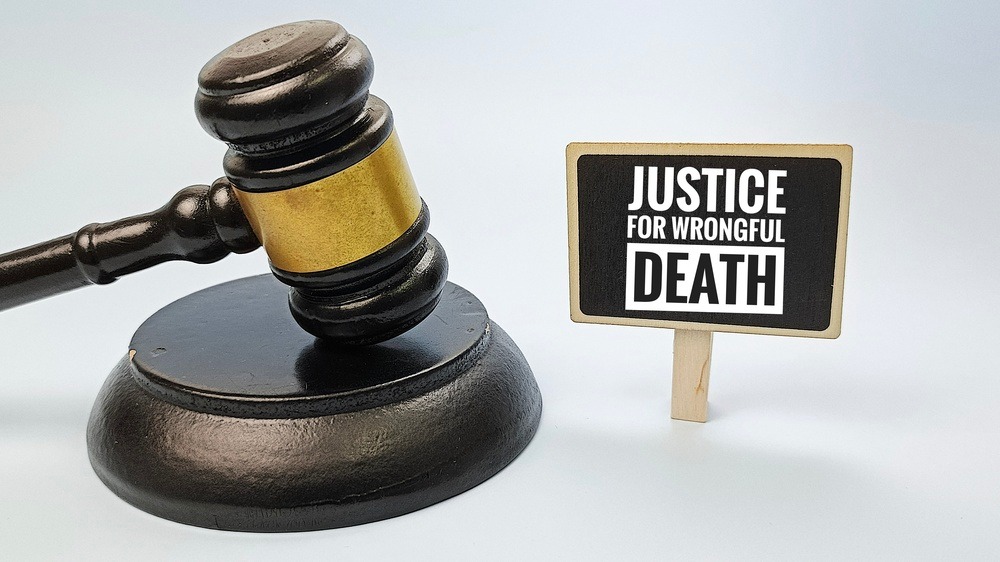
A wrongful death claim often begins in silence, where questions carry more weight than answers and every detail seems to matter in a different way. What looks simple on the surface usually unfolds into a careful review of records, timelines, and facts that slowly shape the direction of the case. Each piece of information adds a layer, even if it does not appear important at first glance.
The process behind wrongful death legal representation often focuses on how these layers connect, especially when families are trying to understand what truly happened and why. Nothing moves forward based on a single document or statement. Instead, it is the steady collection of evidence that builds the structure of the claim over time.
This blog explains how different forms of evidence quietly influence outcomes and why every detail plays a role in how a wrongful death case develops.
Scene Evidence and Immediate Documentation
The earliest stage of any wrongful death case often depends on what is recorded immediately after the incident. These early details form the base of the entire investigation. Photographs, initial reports, and first observations help create a snapshot of the scene before anything changes.
Police reports and incident notes often carry early interpretations of what occurred. Even small descriptions can guide how the rest of the claim is reviewed. These documents are usually treated as starting points because they capture conditions before time and memory begin to shift details.
The timing of evidence collection plays a major role here. Information gathered quickly tends to be more stable and less influenced by outside interpretation. Once time passes, missing details can become harder to recover, which may affect how the claim develops later.
Medical Records and Cause of Impact Analysis
Medical documentation plays a central role in connecting the incident to the final outcome. Emergency response records, hospital reports, and official medical findings all help establish what happened after the event and how it led to the loss.
These records are carefully reviewed to understand the sequence of injury and treatment. They also help confirm the severity of the impact and how quickly the situation escalated. In many cases, medical information becomes one of the most detailed sources of factual evidence.
Cause of death documentation adds another layer by formally identifying how the injury resulted in fatal consequences. This helps align medical facts with the overall investigation and ensures consistency across all reports.
Witness Statements and Corroborating Accounts
Different people often see the same event in slightly different ways. Witness statements help fill gaps between official records and physical evidence. These accounts may come from bystanders, first responders, or individuals who were nearby at the time of the incident.
When reviewing a wrongful death lawsuit, these statements are often compared side by side to identify patterns or differences in detail. Even small variations in memory can influence how the overall timeline is understood.
Conflicting accounts do not automatically weaken a claim, but they do require careful review. Investigators often look for overlapping points between statements to build a clearer picture of what likely occurred.
Digital Evidence and Technical Records
Modern investigations often rely heavily on digital information. Phone data, surveillance footage, GPS tracking, and electronic records provide time-stamped details that help reconstruct events with precision.
This type of evidence is especially valuable because it is less affected by personal interpretation. It records actions, movements, and timing in a way that can be verified across multiple sources.
Some of the most commonly reviewed digital elements include:
- Location tracking from devices.
- Security camera recordings.
- Communication logs and timestamps.
- Vehicle or system tracking data.
Each of these elements helps confirm or challenge other evidence in the case. When combined, they create a more complete and reliable timeline of events.
Financial and Dependency Documentation
Wrongful death claims also involve reviewing financial records to understand the impact on surviving family members. Income statements, employment history, and dependency records all help establish how the loss has affected financial stability.
These documents are not only about numbers but also about structure. They help show how responsibilities were shared and what support systems were in place before the incident occurred.
Financial records are often used alongside other evidence to understand the broader effects of the loss, beyond just the immediate event.
Insurance and Legal Review Process
Once all evidence is collected, it enters a detailed review stage. Insurance representatives and legal teams go through each document carefully to ensure consistency and accuracy. This process involves comparing statements, verifying records, and assessing how all parts of the claim align.
Every detail is checked for clarity, especially when multiple sources provide overlapping information. The goal is to ensure that the full picture is supported by evidence that does not contradict itself.
This stage often takes time because new questions can arise during review, leading to additional requests for information or clarification.
Settlement Discussions and Final Evidence Review
As the case progresses, settlement discussions often depend on how strong and consistent the evidence appears. All previously collected information is reviewed again to confirm its accuracy and relevance.
This includes medical records, financial documentation, witness accounts, and digital data. The strength of the evidence often influences how discussions move forward and what direction the claim takes.
Even at this stage, new details can still be evaluated if they add clarity to the overall case structure.
Final Understanding
Every wrongful death claim is built through layers of information that come together over time. No single document determines the outcome. Instead, it is the combined weight of evidence that shapes how the case is understood and resolved.
The role of wrongful death legal representation often involves organizing these layers into a structured narrative supported by facts, timelines, and records. When all elements are reviewed together, they quietly determine how the final outcome takes form, guided by the strength and consistency of the evidence collected throughout the process.
Other Articles You May Find of Interest...
- The Hidden Layers Behind Medical Negligence Cases and How They Are Addressed
- Understanding the Process of a Wrongful Death Claim in Simple Terms
- Can Memory Loss After an Accident Affect a Traumatic Brain Injury Case
- How Long Does a Wrongful Death Case Take to Resolve
- Behind a Wrongful Death Claim: The Evidence That Quietly Decides Everything
- What to Check Before Accepting an Injury Settlement
- Florida Wrongful Death Claims: Who Can File on Behalf of the Family?




